Technology Offers Site map description
B
 Universidad de GranadaUniversidad de Granada
Universidad de Granada posted this:
Biomarkers for non-invasive detection and classifform-control form-control ication of prostate cancerThree new biomarkers for the prognosis, stratification and cancer monitoring have been identified: PCA3, MRC2, and S100A4. These biomarkers could be detected by non-invasive methods, such as liquid biopsy, and be used as a component for kits and devices with the same purpose.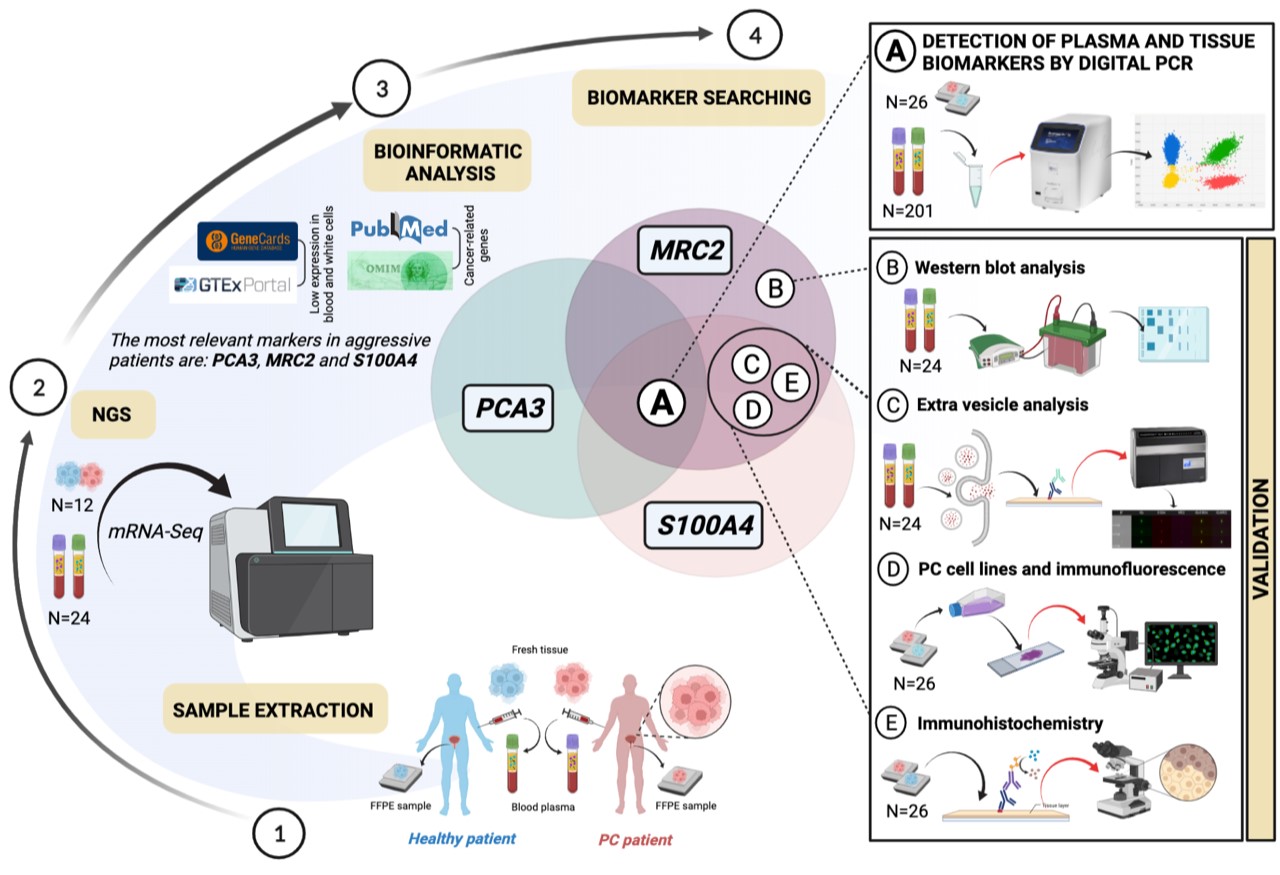
- Universidad de GranadaUniversidad de Granada
Universidad de Granada posted this:
Biomarkers for the diagnosis of pediatric B-cell acute lymphoblastic leukemia (B-ALL).The present invention highlights the identification of two new biomarkers for the diagnosis of pediatric B-cell acute lymphoblastic leukemia (B-ALL). In this sense, the analysis of the expression of the lncRNA and mRNA pair makes it possible to recognize and evaluate patients who develop the disease. Consequently, its use is support in therapeutic decision-making in patients with B-ALL.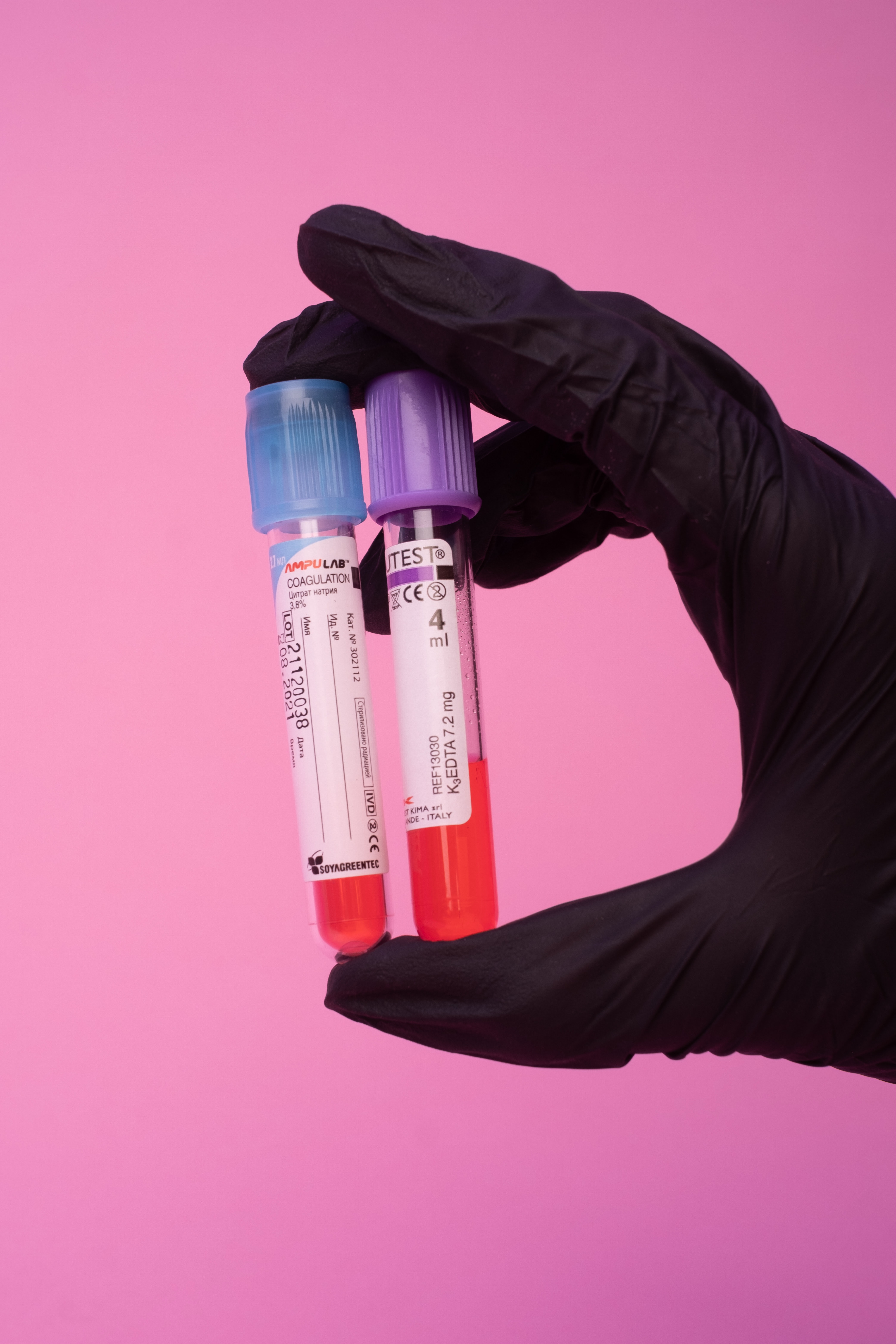
 CNIC (TTO)Spanish National Center for Cardiovascular Research (CNIC)CNIC (TTO)
Technology Transfer Office at Spanish National Center for Cardiovascular Research (CNIC)
View ProfileCNIC (TTO) posted this:
Biomarkers for the early detection of subclinical atherosclerosisOne of the main problems of atherosclerosis disease is that it is diagnosed too late. Primary prevention is currently based on the evaluation of modifiable risk factors according to standardized recommendations. There is a need to find new biomarkers for subclinical atherosclerosis, which are independent of traditional cardiovascular risk factors and scores. CNIC, UAM and IIS-FJD researchers have discovered a panel of proteins, which are accumulated in the atheroma plaques themselves even in their earliest stages of formation. Moreover, the plasma abundance levels of these proteins could be used to predict the presence of subclinical atherosclerosis. Diagnosis/biotech companies are sought for a license agreement.
Technology Transfer Office at Spanish National Center for Cardiovascular Research (CNIC)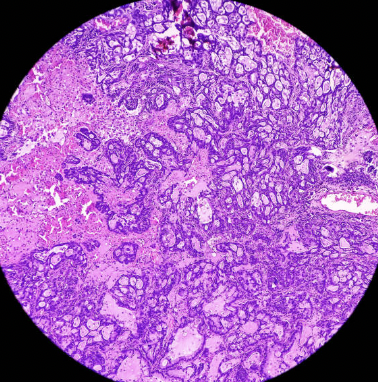
 IBIMA-Plataforma BionandIBIMA-Plataforma Bionand
IBIMA-Plataforma Bionand posted this:
Biomarkers to predict response to treatment in metastatic melanoma patientsThis technology is a panel of genetic biomarkers that can predict or predict the response of patients with metastatic melanoma who carry BRAF mutations to treatment with BRAF and MEK inhibitors. ▪ Allow the development of a diagnostic kit or device. ▪ Thanks to the prediction of prognosis, patients with worse prognosis can be followed more closely. ▪ This panel allows a further step towards personalized medicine, enabling more patient-focused and efficient clinical care.Subramani Naidu posted this:
Biomelanin synthesised from FungiWe have synthesised eumelanin from fungi at low cost. Currently cuttlefish, octopus is used for the same. Applications include UV protection and hair dye. Future potential includes fuel cell and electric car cathode
Promoter at QuickGun LifeScience UACOOPERA University of Aveirouacoopera
UACOOPERA University of Aveiro posted this:
BioMEMs - BioMicroElectroMechanical system device for bone regenerationBioMicroElectroMechanical System devices (BioMEMs) targeted to the promotion of bone regeneration by means of coating a biomedical metallic substrate with a functionalized ferroelectric/piezoelectric biocompatible oxide layer or with a functionalized piezoelectric biocompatible and biodegradable polymeric layer.
Technology Transfer Office at uacoopera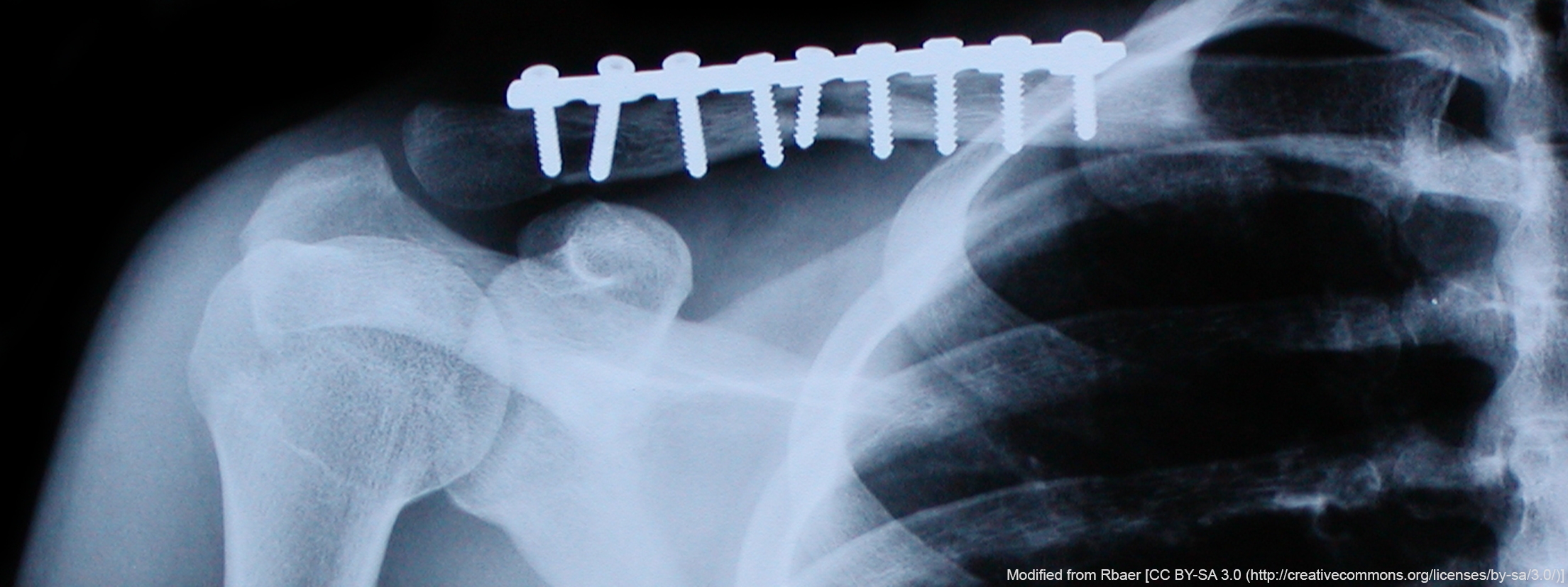
 Universidad de AlicanteUniversidad de Alicante
Universidad de Alicante posted this:
Biometric identification system based on eye blinkingThe Optics and Vision Sciences research group at the University of Alicante has developed a method for biometric authentication by recognizing the blinking of a subject. The method consists of studying and characterizing the changes in the intensity of diffused light during the blinking process. Those changes are used to classify the blinks using different algorithms. A subject can then be identified according to the parameters recorded. This method allows the authentication of subjects by means of a non-contact procedure, and even unconsciously. Commercial or built-in on mobile devices video cameras or webcams can be used for its application provided that the video is recorded at rates higher than 150 frames per second (fps). We are looking for companies interested in the commercial exploitation of this technology as well as in adapting it for the development of related projects.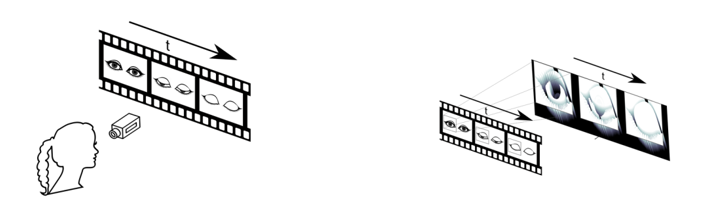
 Research Transfer Office University of GranadaUniversity of Granada (OTRI)Research Transfer Office University of Granada
Technology Transfer Advisor at University of Granada (OTRI)
View ProfileResearch Transfer Office University of Granada posted this:
Biomimetic magnetic nanoparticles for its use in biotechnological applicationsThe present invention provides a composition which contains nanoparticles of magnetite made in presence of magnetosome proteins expressed as recombinant. These nanoparticles are biocompatibles, have a negative charge at physiological pH and a size higher tan 30nm, considered in the range of the singular magnetic domain, for different uses in the field of biotechnology, as well as for its use for for drug administration for the treatment of cancer.
Technology Transfer Advisor at University of Granada (OTRI) Unismart - University of Padua FoundationUnismart - University of Padua Foundation
Unismart - University of Padua Foundation posted this:
Biopesticides for the treatment of wine pathogensThis patent covers the synthetic analogues of the natural trichogin peptide GA IV and their use as biopesticides against Plasmopara viticola, Botrytis cinerea, Penicillium italicum, Penicillium digitatum, Penicillium expansum, Fusarium graminearum e Pyricularia oryzae.CSIR posted this:
Bioplastic technologyThe CSIR has developed a bioplastic technology for producing 100% biodegradable and compostable plastic. The technology enables single-use plastic products that, when they end up in landfills, bio-degrade within 180 days. The bioplastic products, when combined with organic waste, can turn into compost within 90 days, leaving no toxic residues. Bioplastics are a relatively new field within the South African plastics industry. As a result, landfills overflow with plastic bags and products from the household waste removal process. The CSIR’s bioplastic is made from plant-based materials to ensure that the disposed plastic waste in landfills is transformed from the biobased polymer into organic fertiliser. The development is a significant milestone for the CSIR in working towards environmental sustainability and a green economy for South Africa. “Our bioplastic technology is based on the use of biopolymers and agricultural waste by-products such as starch, cellulose and glycerol. Through smart use of additives, we have created unique formulations to modify the properties through a melt-processing technique. This has resulted in pellets which can be blown into films for carrier bags, kitchen waste bags, mulch films and packaging films, as well as rigid cutlery products,” says CSIR senior researcher Dr Sudhakar Muniyasamy. The technology can help those players in the agricultural, medical and hospitality industries who are looking for green methods of packaging. In this market, approximately 90% of packaging products are typically produced from petroleum-based chemicals which are often disposed of in natural environments after single or short-term use. “Our technology has been validated at an industrial manufacturing facility, and the pilot scale-testing for the production of the pellets and industrial-scale conversion process has been done for a specific product line,” adds Muniyasamy. As part of the commercialisation process, the CSIR is now working towards licensing the technology.- UACOOPERA University of Aveirouacoopera
UACOOPERA University of Aveiro posted this:
Biopolymer based micro- and nano-particles for industrial and environmental applicationsMethod for preparing hybrid materials based on biopolymer and silica, in the form of spherical particles with uniform size and smaller than 1 micrometer (µm), for several applications in environmental and industrial areas.
Technology Transfer Office at uacoopera
uacoopera posted this:
Biopolymer based micro- and nanoparticlesA group of researchers from a Portuguese university developed a method for preparing new hybrid materials based on biopolymer and silica, in the form of spherical particles with uniform size and smaller than 1 micrometer for a number of applications in environmental and industrial areas. The method is also effective for coating nanoparticles of variable nature, with a thin shell (tens of nanometers) with composition identical to the hybrids. The materials have been successfully tested in the removal of chemical species in water at laboratory scale, in particular in the removal of organic pollutants dyes and pharmaceutical compounds. Other applications are being considered. The University looks for companies working in the environmental, pharmaceutical or biotechnology areas, or companies in the area of materials for licensing and / or future collaboration in developing new formulations and testing new applications. Universitat Politècnica de Catalunya - UPCUniversitat Politècnica de Catalunya - UPC
Universitat Politècnica de Catalunya - UPC posted this:
Biopolymer-containing calcium phosphate foam for bone regenerationA new calcium phosphate foam with open pore macroporosity useful for bone regeneration and drug release has been patented and developed.
- Universitat Politècnica de Catalunya - UPCUniversitat Politècnica de Catalunya - UPC
Universitat Politècnica de Catalunya - UPC posted this:
Biopolymer-containing calcium phosphate foam for bone regenerationThe Challenge Hidroxyapatyte is a natural mineral found in teeth and bones. It is commonly used as a filler to regenerate bone or as a coating to promote bone growth. The application of calcium phosphate cements, which can form hydoxyapatite, in the treatment of bone defects, begun more than two decades ago and many formulations have been developed so far. The ideal bone replacing cement should be osteoconductive and osteoinductive, to stimulate bone regeneration. Moreover, it should be resorbable and gradually replaced by newly formed bone. Although most of the developed calcium phosphate cements are more resorbable than sintered hydroxypatite ceramics, they still show relatively slow resorption kinetics and in many cases the cement remains stable in the implanted site during years. The absence of interconnected macropores is indeed a limiting factor to achieve resorption. If the designed material has macropores, cells can colonize it and the access of osteoclasts is facilitated increasing the rate of healing of the bone defect.
 Universidad de Alcalá-OTRIUniversidad de Alcalá-OTRI
Universidad de Alcalá-OTRI posted this:
Bioremediation strategy in situ for the precipitation and immobilization of uranium and other toxic elements in contaminated soils.A research group from the Geology Department of the University of Alcalá is developing a technology to study the role of the oxidation-reduction processes of humics in the reduction of uranium and other toxic metals in contaminated soils to determine whether stimulating the activity of humic-reducing and oxidizing microbial communities in contaminated soils can be an effective strategy for the in situ immobilization of uranium and other toxic metals. The group is looking for technical cooperation projects with companies. Laijo JoseCentre For Future (CFF)
Laijo Jose posted this:
Bioresorbable polymer composite for bone-soft tissue fixation.An advanced and cost effective bioresorbable, biocompatible polymer composite for bone soft tissue fixation has been developed, and their use in preparing different orthopedic devices that serves the purpose of fixation of soft tissue injuries and low-load bearing bone fractures. The use of the given bioresorbable polymer composite in orthopedic devices is an attempt to replace the traditional metallic implants and making it accessible to masses at affordable prices, and therefore overcome the limitations of currently available bioresorbable orthopedic devices in the market. The technology produces a novel bioresorbable, biocompatible polymer composite for bone soft tissue fixation. The polymer composite biomaterial is composed of bioresorbable polymer such as poly-ε-caprolactone (PCL), natural fiber silk fibroin and an osteoconductive component like Magnesium oxide (MgO) in nanoparticle form and it can be used to prepare different orthopedic devices. The silk fiber of 20% and MgO nanoparticles in concentration of 10% were mixed together with PCL as base polymer in twin-screw extruder to produce composite orthopedic biomaterial. The newly developed bone screw is having a design with screw head shape, thread-tip design, thread profile and volume. It is found that millions of screws are being used for bone or soft-tissue fixations per year and the need of such fixations devices in world orthopedic market is ever-growing. The cost effective bioresorbable composite device thus made is also having wider clinical applications with its higher bioactivity (biomineralization), biocompatibility, infection resistivity and proper bone remodeling properties.
Manager-Tech Transfer at Centre For Future (CFF) University of WaterlooUniversity of Waterloo
University of Waterloo posted this:
Biosensor for detection of heavy metalsBackground Cadmium, mercury, and lead are heavy metal environmental contaminants that are bio-accumulative and can impose serious organ damage, leading to cancer and even death. For this reason, they have collectively been subject to numerous international regulations strictly restricting their use. Given their highly toxic characteristics, it is important to screen for the presence of these heavy metals in drinking water and at source in wastewater applications. The current standard method for detection used very expensive inductive-coupled plasmon-mass spectrometry (ICP-MS) instrumentation that requires highly skilled operators and controlled laboratory operating environments. Such highly controlled requirements represent a sample processing bottleneck leading to long testing turnaround time. More portable and cost effective analytical testing methods are required to better enforce regulations and to detect and prevent these contaminant’s adverse environmental and health effects sooner.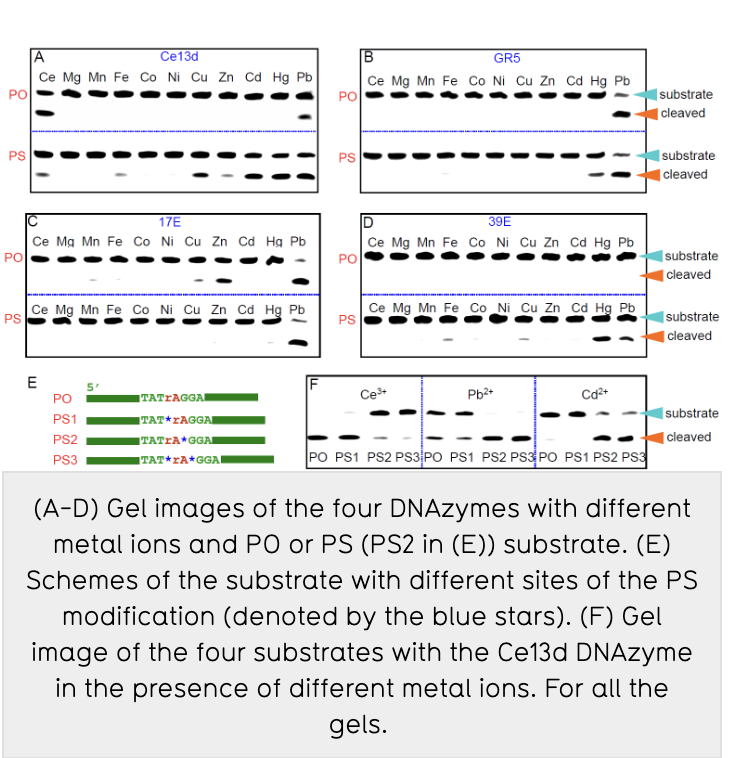
 Germans Trias i Pujol Health Sciences Research InstituteGermans Trias i Pujol Health Sciences Research Institute
Germans Trias i Pujol Health Sciences Research Institute posted this:
Biosignatures for ulcerative colitisCurrently, the glucocorticoids are the first-line of treatment for of moderate-to-severe flare-ups. However, up to 40% of patients do not have an adequate response. Mechanisms of steroid-refractoriness in UC remains unknown. In addition, corticosteroid failure impair the effectiveness of rescue therapies. CSIC - Consejo Superior de Investigaciones CientíficasCSIC - Consejo Superior de Investigaciones Científicas
CSIC - Consejo Superior de Investigaciones Científicas posted this:
Biotechnological production of 11α hydroxylated steroids using recombinant bacteria.CSIC has developed a procedure for the biotechnological production of 11α hydroxylated steroids by generating and subsequent use of recombinant bacteria. These recombinant bacteria allow to perform microbial biotransformation processes that result in 11αhydroxylated steroid compounds from raw materials such as phytosterols and intermediate products efficiently and economically. These compounds have numerous applications in pharmacology. Companies are sought for implementing and commercializing the new technology under patent license agreement. An offer for Patent Licensing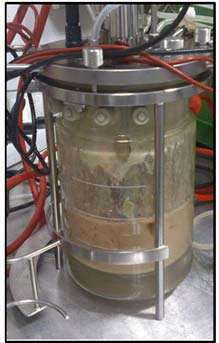
 Luxembourg Institute of Science and Technology (LIST)Luxembourg Institute of Science and Technology (LIST)Luxembourg Institute of Science and Technology (LIST)
Research Institute
Luxembourg Institute of Science and Technology (LIST) posted this:
Biotechnologies and Environmental Analytics PlatformFrom bioprocesses and water quality to food safety and plant biology, the Biotechnologies and Environmental Analytics Platform (BEAP) offers cutting-edge equipment and expertise in analytical chemistry, omics technologies and bioprocessing to scientists, industry and public stakeholders. Eager to provide a tailor-made approach, BEAP engineers enable to analyse numerous types of samples ranging from water, soil, plants and microorganisms to animal tissues. The bioreactor facilities allow providing a research infrastructure for end-to-end bioprocess development (up to TRL5), including upscaling of production volumes up to 50L and downstream processing. It is currently used for yeast, bacteria and plant cell cultures, in order to produce biomass, proteins, secondary metabolites and other high added value compounds. The support provided by BEAP team members includes the scientific and technical expertise and knowledge of engineers, as well as the implementation, manipulation and maintenance of state-of-the-art equipment.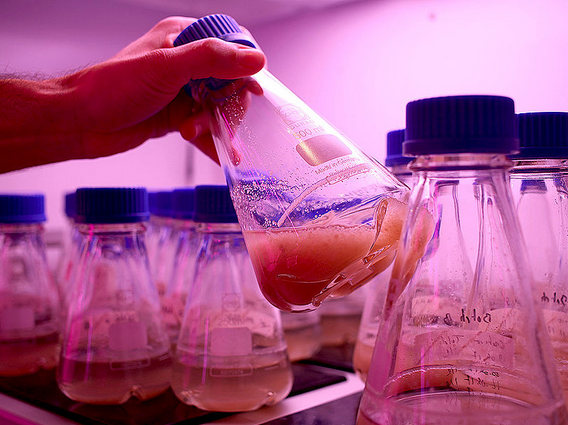
 Innovation OfficeUniversity of GalwayInnovation Office
Accelerates research impact, empowers start-ups and engages for innovation. at University of Galway
View ProfileInnovation Office posted this:
Biotechnology Platform for Biological Methane Reduction Using Advanced AdsorbentsThis technology employs biochar as an adsorbent with two critical roles: providing a robust platform for methanotrophic biofilm growth and temporarily adsorbing methane to increase its availability to the bacteria. Key benefits include • Higher Yields: Enhanced methane contact increases the production of ectoine, bioplastics, methanol, and single-cell proteins compared to existing methods. • Sustainability: Utilizing methane as a substrate reduces greenhouse gas emissions, offering an eco-friendly alternative to glucose-based processes. •Economic Efficiency: Lower capital and operational costs due to reduced agitation and gas sparging requirements.
Accelerates research impact, empowers start-ups and engages for innovation. at University of Galway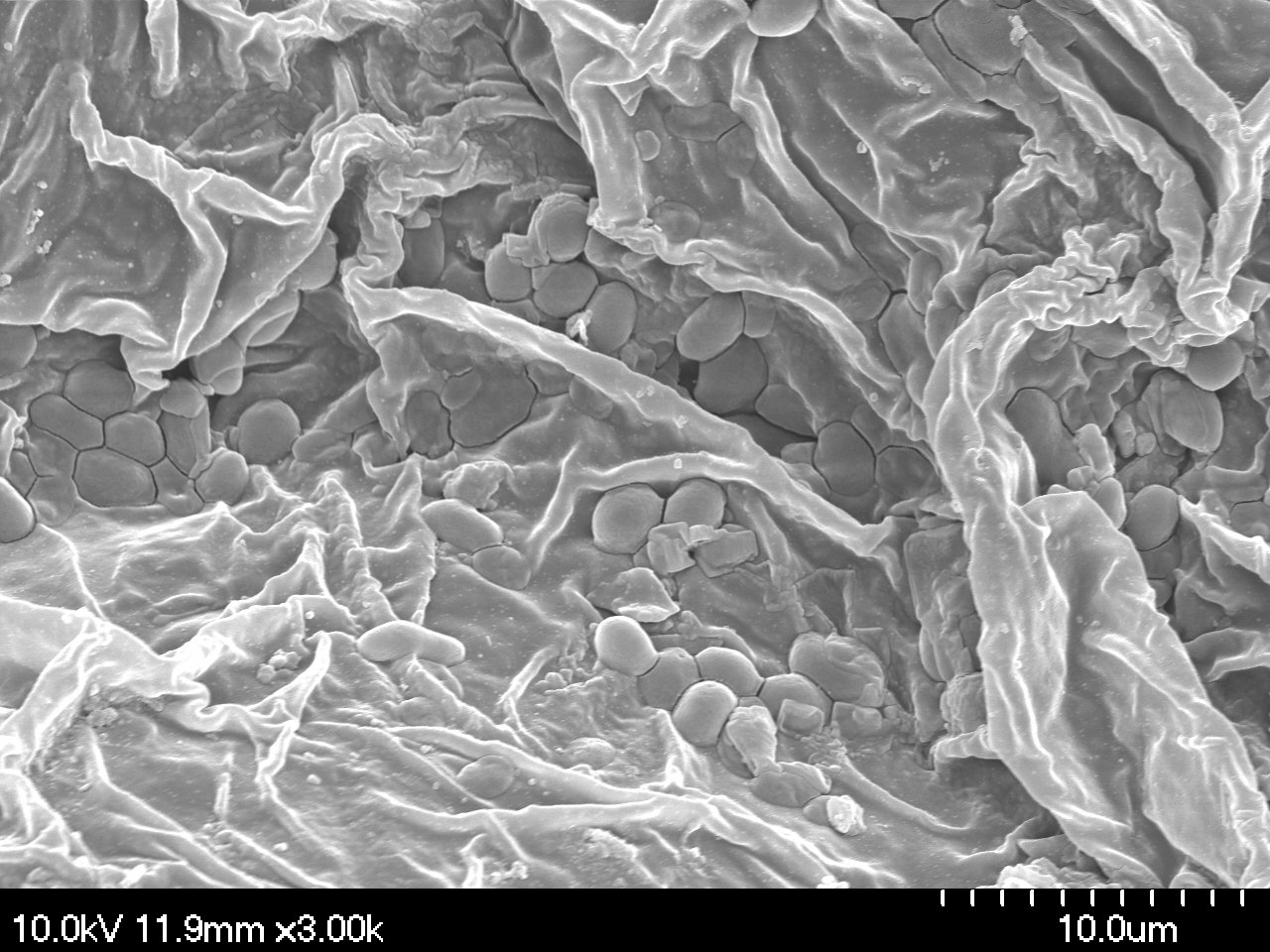
 Lars CuypersMax-Planck-Innovation GmbH
Lars Cuypers posted this:
BiQ Analyzer Software for DNA Methylation Analysis, Visualization and Quality ControlBiQ Analyzer is a software tool for easy visualization and quality control of DNA methylation data. With more than a thousand users worldwide, BiQ Analyzer has become a standard tool for processing DNA methylation data from bisulfite sequencing. BiQ Analyzer has been selected by ABI to be part of the Applied Biosystems Software Community Program.
Senior Patent and Licensing Manager at Max-Planck-Innovation GmbH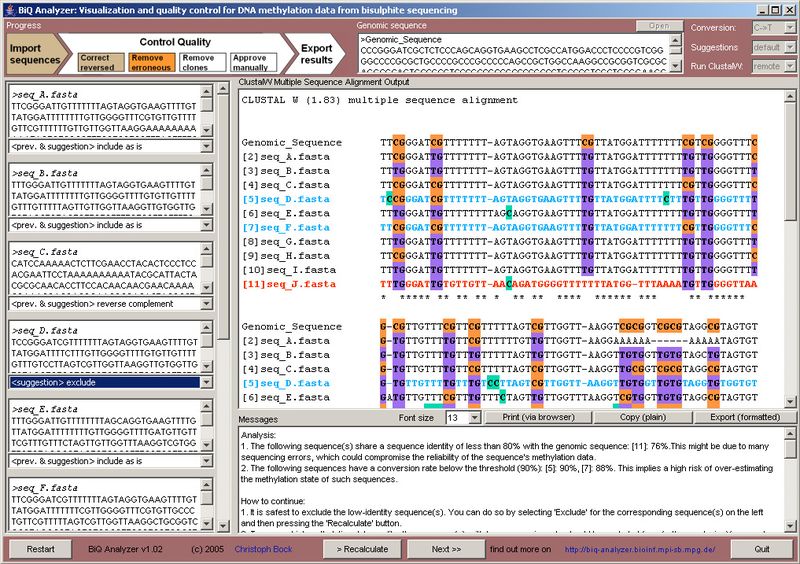
- Universidad de AlicanteUniversidad de Alicante
Universidad de Alicante posted this:
Black titanias for photocatalysis, solar cells and environmental applications• The titania is black, and then absorb in the whole visible range (band gap 2.74 eV) and maintains its photocatalytic activity at least after 5 cycles reaction with an efficiency of 95 %. • The synthesis process is simple, inexpensive and versatile (a wide variety of functional compounds can be incorporated in the structure of the titania lattice avoiding blocking the mesoporosity and maintaining the anatase structure). • Excellent thermal and hydrothermal stability. The functionality is incorporated into the structure of the titania being protected thereby.
- Universidad de Alcalá-OTRIUniversidad de Alcalá-OTRI
Universidad de Alcalá-OTRI posted this:
Blind spot assitance device to exit maneuver in perpendicular and angled parking.Innovative Sensing and Intelligent System is a Spanish research group from the Department of Automatic of the University of Alcala has developed a technology which describes an assistance device for exit maneuvers when the car is parked in perpendicular or angled parking. The invention consists of one or two cameras one settled up on the right lateral back and/or another one on the previous part. The system provides automatically an audible or visual alarm to inform the driver that some vehicles are approaching the exit lane. The group seeks automotive companies to achieve license, commercial or collaborative agreements with technical assistance.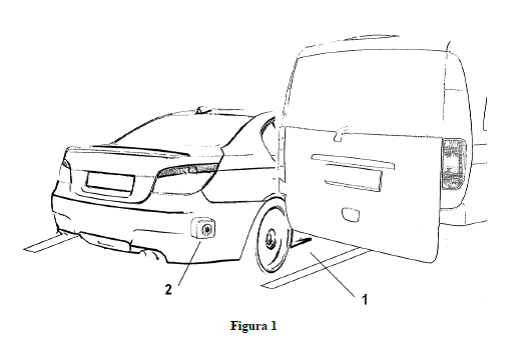
Meghan Meyer posted this:
Blood-Based Biomarkers for Memory Loss- Non-invasive, affordable biomarkers can predict Alzheimer's disease (AD) progression, defining the asymptomatic period and enabling timely intervention. - Clinical indicators capable of differentiating Alzheimer's from Frontotemporal Dementia and aiding in identifying at-risk individuals for treatment planning and management. - Blood tests for identifying individuals at risk of cognitive decline and selecting participants for prevention trials and targeted therapies.
Other at Georgetown University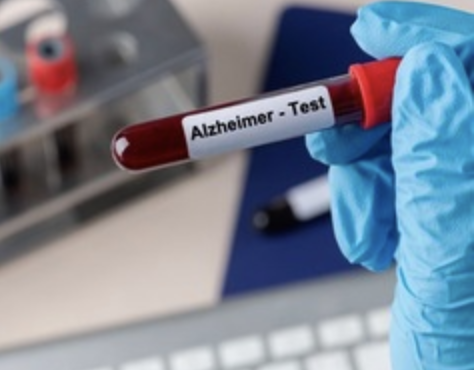
 Barbora ZoubkovaUniversity Hospital Hradec Králové
Barbora Zoubkova posted this:
Blood-based highly sensitive diagnostics of multiple myeloma and monitoring of its progressionNovel approach that allows highly sensitive and specific identification of primary myeloma cell clones in blood with the potential of replacing standard immunofixation electrophoresis, avoid invasive and problematic bone marrow aspiration, and by that to facilitate early detection of disease relapse due to possibility of close patient monitoring at brief intervals.
Technology Transfer Specialist at University Hospital Hradec Králové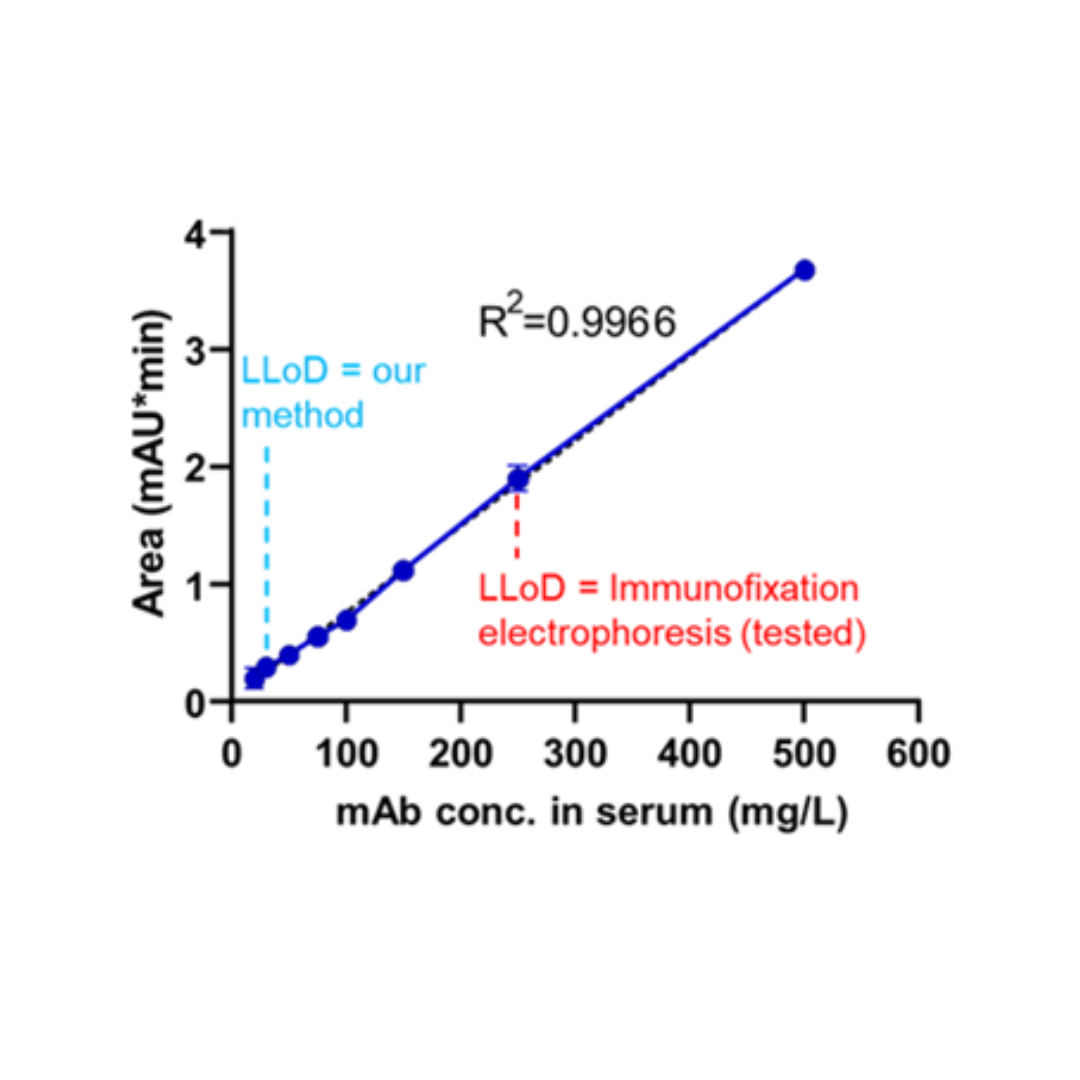
Jorian Bos posted this:
BLOOLA - Centralised communication, collaboration and task managementBloola is a toolbox that enables companies to digitise their organization – by centralising communication, marketing and sales processes that often happen in silos to one central environment with effective task management. Bloola's customer include: BMW, Fraunhofer, Rhein Energie, Triton, Vodafon.
Other at EIT Digital
Ola ARAFAT ARAFAT posted this:
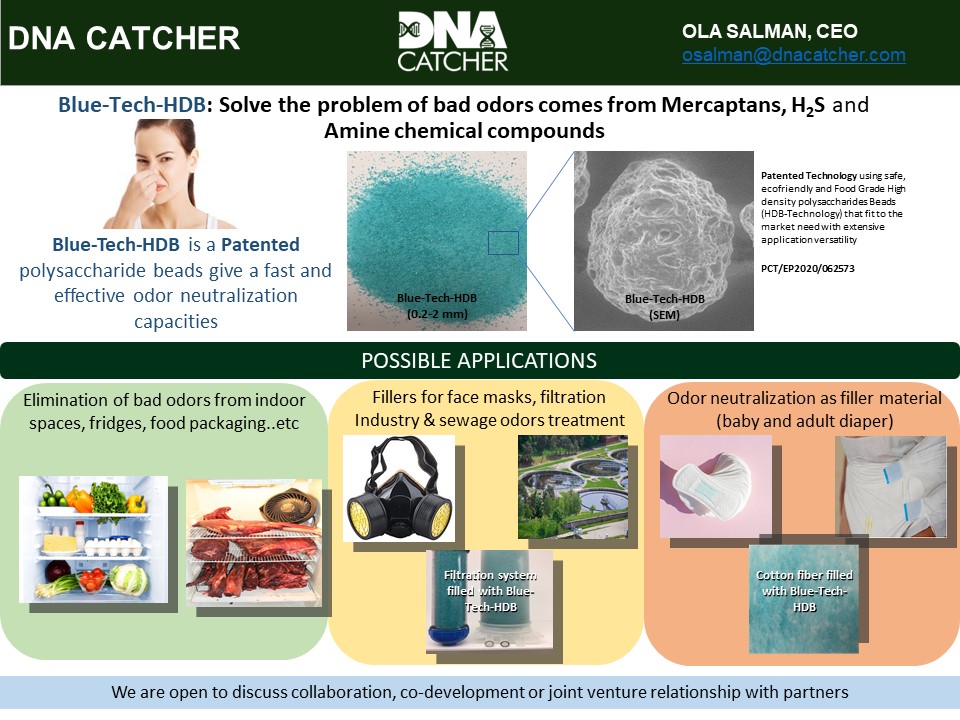
Blue-Tech-HDB, Solving the problem of bad odors comes from of Mercaptans, H2S and Amine.In DNA CATCHER we have developed Blue-Tech-HDB is a Patented polysaccharide beads give a fast and effective odor neutralization capacities, specially for bad odors comes from of Mercaptans, H2S and Amine Blue-Tech- HDB, is s Patented Technology using safe, ecofriendly and Food Grade High density polysaccharides Beads (HDB-Technology) that fit to the market need with extensive application versatility. PCT/EP2020/062573
CEO at DNA CATCHER S.L.U