Technology Offers Site map description
P
IMDEA Water Institute posted this:
Permeable reactive beds for groundwater recharge with reclaimed wastewaterAt IMDEA Water Institute, in association with the Alcalá University and the Rey Juan Carlos University, we implement Permeable Reactive Beds technology as a wastewater reclamation treatment for application in artificial groundwater recharge activities. This technology is considered an in situ passive treatment, based on reactive materials which act as a filter for the water that goes through it. The filter retains or sorbs the chemicals, improving the water quality. This technology is the result of combining two well-known remediation techniques: SAT – Soil Aquifer Treatment and PRB – Permeable Reactive Barrier) (Fig.1). The main contribution of Permeable Reactive Beds technology is that it includes several layers of different reactive materials (natural or artificial), forming a horizontal barrier, so that the pollutants are removed from the water and are retained or modified by the solid phase through physical, chemical and/or biological processes (including precipitation, sorption, redox and degradation). Many parameters have influence over these processes, such as pH, redox potential, concentration or temperature. Permeable Reactive Beds can be settled either on the ground (superficial setting) (Fig. 1b) or in a trench (dug) (Fig. 1a). This horizontal position ensures reclamation of the water that flows through the bed.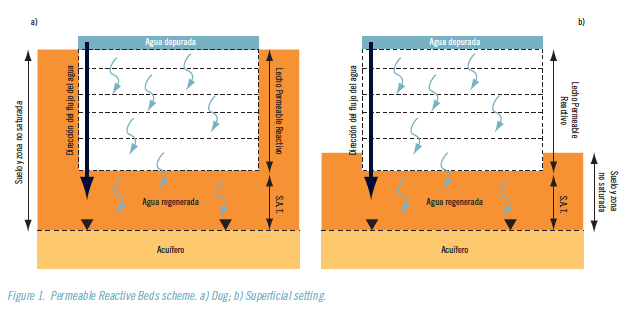
Yeda posted this:
Person-specific Assessment of Probiotics ResponsivenessProbiotics are a widely consumed dietary supplement, however, their efficacy is controversial and not all individuals benefit from their use. Therefore, a predictive tool that distinguishes between probiotic-permissive and resistant individuals is needed. The current technology provides a method for predicting an individual's response to probiotics and potentially tailoring an individualized treatment.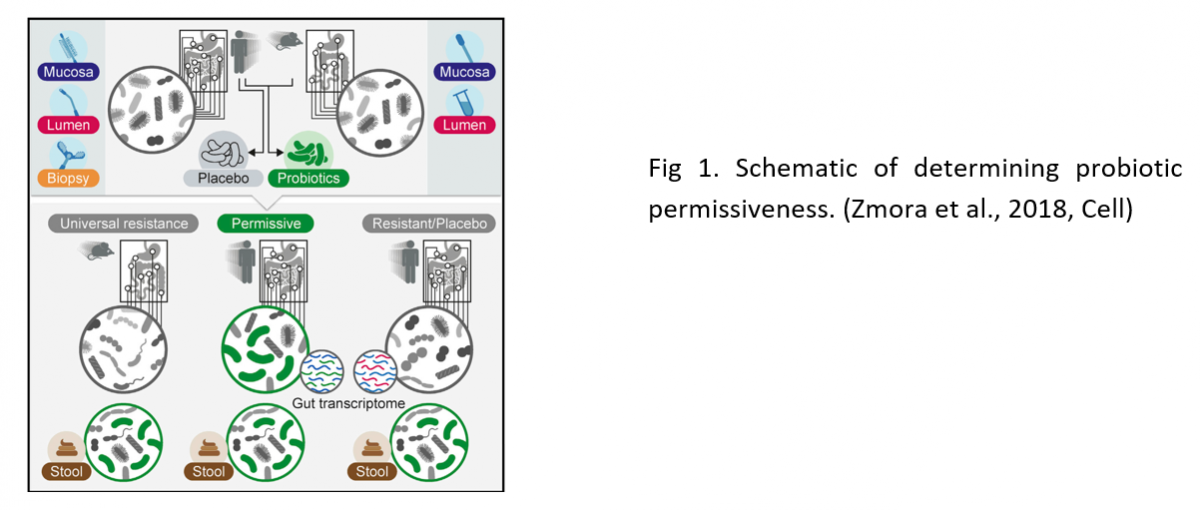
Rick Wadley posted this:
PFAS-PFOA destruction via biological processWe have developed bacteria and a carrier to treat PFAS and PFOA derivatives from the environment. This process can achieve 99% removal of the forever chemical. Removal from water streams and soil is achieved within this process. Combining our proven absorption method and the addition of our developed bacteria removes and locks the chemicals that do not allow it to release back into the environment or process. We are available for site removal and rehabilitation for large bodies of water and soil. We are able to halt the plume of contaminated ground water in site and remove the contaminant.
Innovation Manager at Vortex H20Creative Biolabs posted this:
Phage Display Library Screening ServiceAs a well-recognized expert at phage display technology, Creative Biolabs offers our worldwide clients the best phage display library screening services through our excellent biopanning strategies and state-of-the-art equipment. Our scientists are pleased to tailor the most appropriate strategies to screen the interested libraries of our customers.
UNIVERSIDAD DE BURGOS posted this:
Pharmaceutical composition for the treatment of cystic fibrosisPharmaceutical composition for the preparation of a medicament for the treatment and /or prophylaxis of diseases derived from the abnormal transport of anions at the cellular level, comprising a compound of formula (I). CSIC - Consejo Superior de Investigaciones CientíficasCSIC - Consejo Superior de Investigaciones Científicas
CSIC - Consejo Superior de Investigaciones Científicas posted this:
Pharmaceutical composition for the treatment of uveal melanomaCSIC has developed a pharmaceutical composition that, made up of the antiangiogenic agent bevacizumab and a FAK tyrosine kinase inhibitor, has a marked antitumor effect against uveal melanoma, reducing its progression and growth. Additionally, the invention is also related to in vitro uses of the developed pharmaceutical composition. Industrial partners are being sought to collaborate through a patent licence agreement. An offer for Patent Licensing
 Udit MangalPluss Advanced Technologies Pvt. Ltd.Udit Mangal
Vice President- Business Development at Pluss Advanced Technologies Pvt. Ltd.
View ProfileUdit Mangal posted this:
Phase Change Material Based Temperature Control Solutions for biological samples, test kits and vaccinesAt Pluss, we bear distinction of doing innovative and sustainable solutions in the field of temperature control using our core Phase Change Material (PCM) technology. One of our lead products is Celsure®, a set of pre-qualified shipping boxes for maintaining the temperature of your vaccines or other heat labile products for up to 120 hours between 2-8 deg C, 15-25 deg C and frozen (-20 deg C) as the case may be, with a variety of payload volumes (https://www.pluss.co.in/celsure/). Besides the prolonged back up hours, the unique design of the solution allows for complete freeze prevention way of storing vaccines in case of 2-8 temperature maintenance.
Vice President- Business Development at Pluss Advanced Technologies Pvt. Ltd.- CSIC - Consejo Superior de Investigaciones CientíficasCSIC - Consejo Superior de Investigaciones Científicas
CSIC - Consejo Superior de Investigaciones Científicas posted this:
Photo-thermoelectric cell for the conversion of thermal energy into electricityPhoto-thermoelectric cell for the conversion of thermal energy into electricity The Instituto de Ciencias de Materiales de Madrid (ICMM-CSIC) has developed a photo-thermoelectric cell with spectral selectivity to visible and infrared lights. If the cell is part of a thermoelectric generator, the device allows the conversion of the heat produced by incident radiation into electrical energy, due to the temperature difference established in the cell. This technology can also be used to take advantage of the residual heat of machines or electrical circuits. Industrial partners from the energy industry are being sought to collaborate through a patent license agreement. An offer for Patent Licensing
 Larisa SheloukhovaKyoto University
Larisa Sheloukhova posted this:
Photoacustic 3D imaging-based devices for clinical and research applicationsBackground Various diseases such as diabetes, cardiovascular disorders, collagen diseases, and cancer are characterized by blood vessel damage or induced angiogenesis. However, there are no technologies that allow high-resolution non-invasive imaging of blood vessels. The techniques currently used in clinical settings require contrast agent administration and exposure to X-ray or expensive contrast magnetic resonance imaging (MRI). The present invention is a non-invasive blood vessel imaging device that is based on photoacoustic (PA) tomography (PAT) that utilizes light absorption of hemoglobin.
Global Tech Commercialization at Kyoto University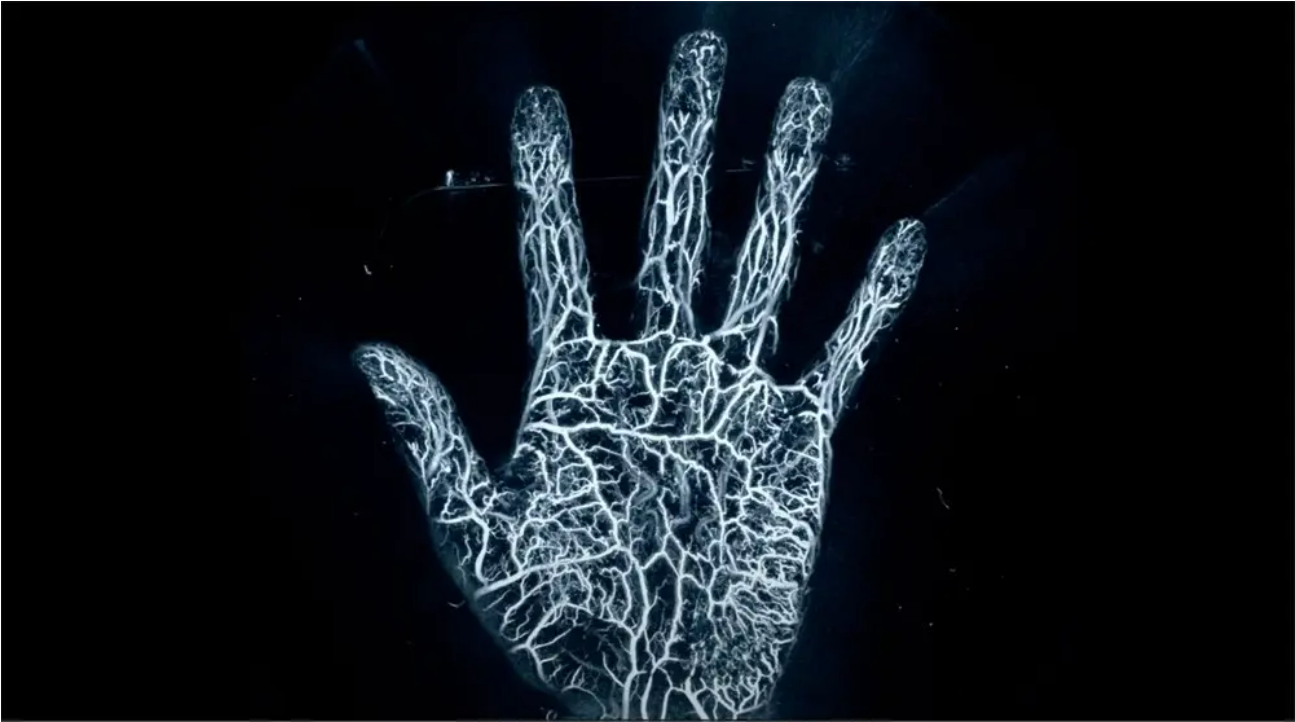
Tomasz Łasecki posted this:
PHOTOBIOCURE – injectable implants for soft tissue repairWe are looking for technology partners to commercially develop our patented (US) idea. PhotoBioCure™ technology is based on biopolymers that turn from a sticky liquid into a flexible solid under the influence of UV radiation. This feature allows forming customized implants, adjusted to tissue defects, in situ in vivo. Importantly, the composition is biodegradable in the in vivo environment and eventually replaced by natural tissue.
Board Manager at POLTISS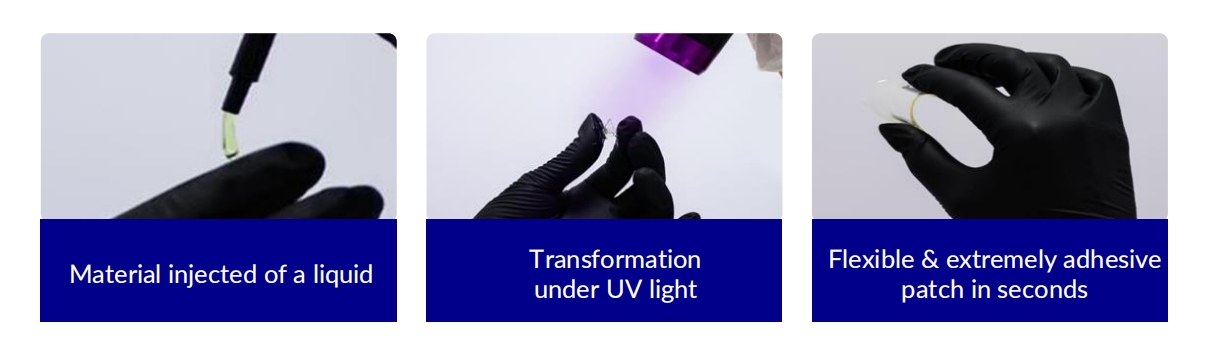
 Vilnius UniversityVilnius University
Vilnius University posted this:
Photobiologically friendly phosphor converted light-emitting diodeThe proposed low correlated colour temperature phosphor converted LED is characterized by a small non-visual photobiological action to humans, which manifests itself as the suppression of melatonin secretion in the pineal gland, and can be used for outdoor illumination, while only slightly disrupting the circadian rhythm of humans. Alfonso del Rey PérezICMAB-CSIC
IMDEA Energy posted this:
Photocatalytic tests to measure photocatalytic activityThree kinds of photocatalytic tests of energy interest are offered to measure the photocatalytic activity of powdered materials susceptible of acting as photocatalysts for CO2 conversion and/or hydrogen production via water splitting or photoreforming: - Gas-phase CO2 conversion. - Liquid-phase photocatalytic hydrogen production. - Gas-phase H2 production.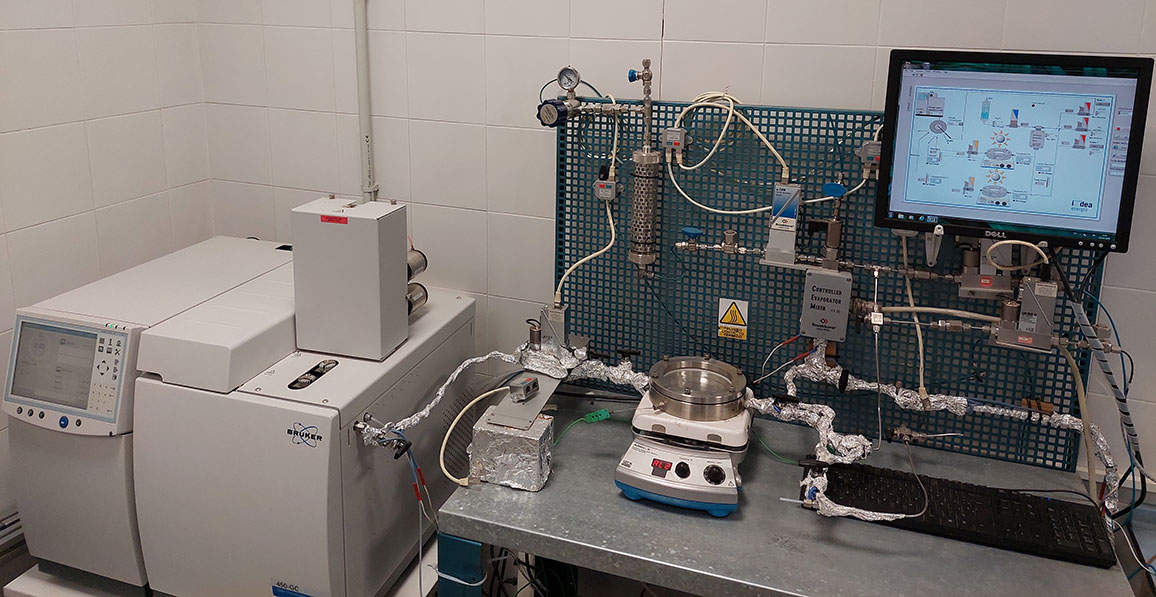
IMDEA Energy posted this:
Photocatalytic water splitting using IEF 11 and 13IMDEA-Energy Frameworks (IEFs) have emerged as potential platforms for hydrogen generation because the easy tunability of their electrochemical properties compared to other semiconductors. Here, we propose two new competitive porous polymers, i.e. IEF-11 and IEF-13, showing improved performance in green hydrogen generation compared to conventional TiO2.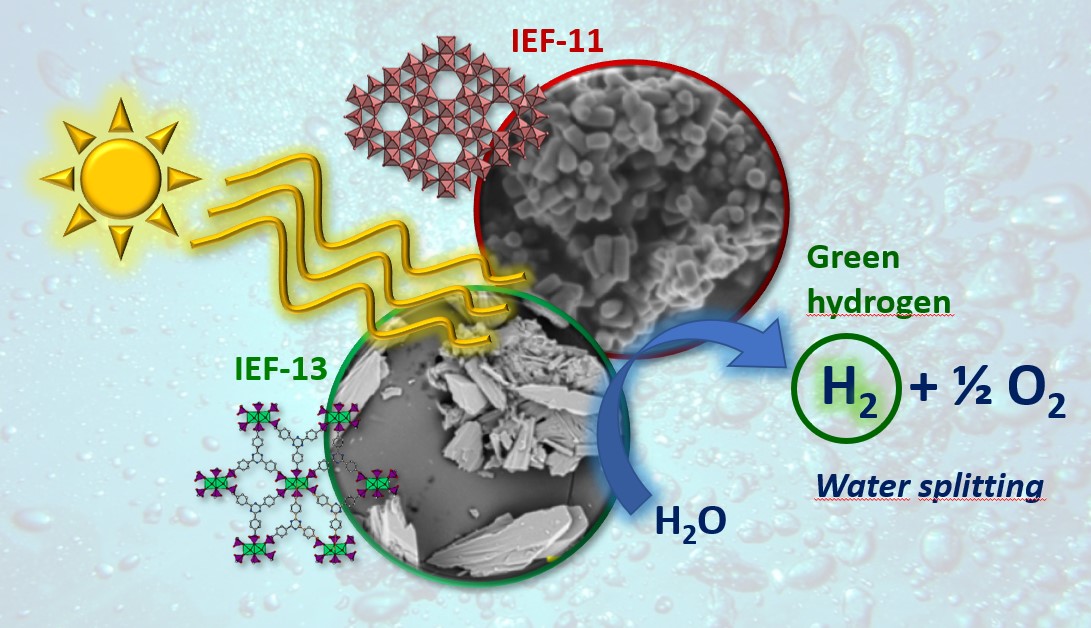
UNIVERSIDAD DE BURGOS posted this:
Photocatalyzers of ruthenium (II) and photocatalytic synthesis of iminas.Ruthenium (II) photocatalysts of formula (M +) nXn- are described, in which Xn- is an anion and M + is a cationic complex of formula (Ia) comprising an 8-arylsulfonamidoquinoline ligand, as well as its method of obtaining it. The use of said ruthenium (II) photocatalysts in the synthesis of imines by photooxidation of amines in the presence of oxygen and by the use of visible light is also described.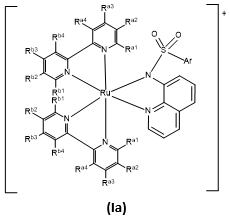
IMDEA Energy posted this:
Photoelectrochemical tests of energy interestPhotoelectrochemical tests of energy interest are offered to measure the photocatalytic activity materials susceptible of acting as photoelectrodes for CO2 conversion and/or hydrogen production via water splitting and tests to measure the photocatalytic activity of thin film of materials for CO2 conversion and hydrogen evolution.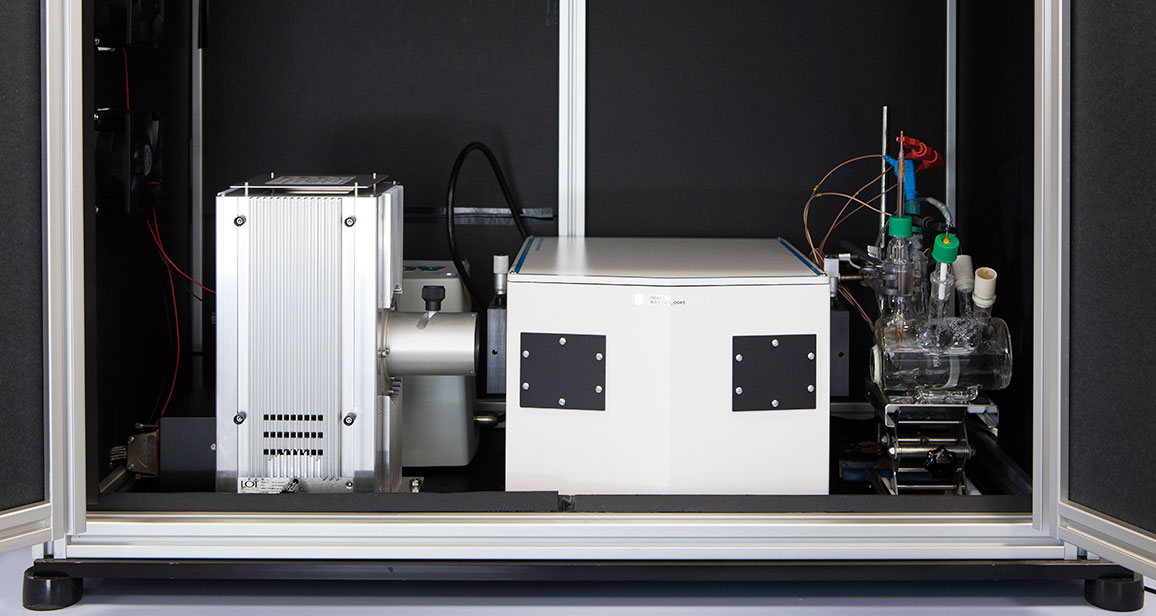
 Institut Català d'Investigació Química (ICIQ)Institut Català d'Investigació Química (ICIQ)Institut Català d'Investigació Química (ICIQ)
Technology Transfer Office
Institut Català d'Investigació Química (ICIQ) posted this:
Photoinitiators for visible-light induced living polymerizationA new class of photoinitiators of living polymerization induced by visible light has been developed and is made available for testing (under MTA) and/or licensing. The developed initiators trigger the curing of resins by irradiation with low-intensity visible light, while providing polymers with good control of chain length. In addition, through decomposition of the initator, the cured material presents a different colour than the uncured resin.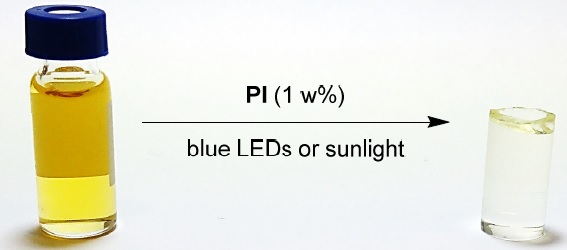
- Vilnius UniversityVilnius University
Vilnius University posted this:
Photonic Crystal Microchip LaserThe present technology allows to significantly improve the beam quality and brightness of radiation of a microchip laser, by inserting a specially designed photonic crystal in the cavity of a microchip laser. Technology could be applied in various types of microlasers, including semiconductor edge-emitting lasers and vertical-cavity surface-emitting lasers.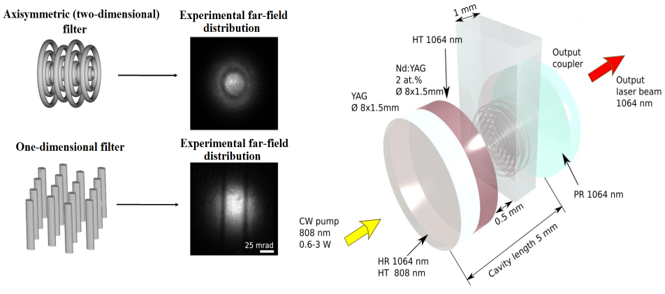
 Cracow University of TechnologyCracow University of Technology
Cracow University of Technology posted this:
Photopolymerization initiated by UV light - solutions for polymer coatings industryPhotopolymerization initiated by UV light - solutions for polymer coatings industry UNIVERSIDAD DE BURGOSUNIVERSIDAD DE BURGOS
UNIVERSIDAD DE BURGOS posted this:
Photoreactive thermoplastic copolymer-based adhesiveResearchers at the University of Burgos have developed an adhesive based on a block copolymer linked by a photosensitive molecule that allows the adhesion of materials in multilayer packaging, commonly used in the packaging industry. When a physical stimulus, such as light, is applied, the adhesive loses its adhesive properties, facilitating the separation of the layers and improving the recyclability of the packaging.
- Cracow University of TechnologyCracow University of Technology
Cracow University of Technology posted this:
Photosensitizers for photocurable polymer coatingThe technology can be used in the production of polymer coatings curable by ultraviolet radiation (UV) imposed on various types of surface such as aluminum, paper, plastics, wood and metals. Technology is compatible with UV LED diodes, which make it advantageous in several fields comparing to traditional mercury MPM lamps  Benemérita Universidad Autónoma de PueblaBenemérita Universidad Autónoma de Puebla
Benemérita Universidad Autónoma de Puebla posted this:
PHOTOVOLTAIC CELL OF HIGH SOLAR CONCENTRATION USING A POWER TRANSISTOR AS AN ELEMENT FOR CONVERTING ENERGYThe present invention provides a photovoltaic cell of high solar concentration, as well as a system for generating energy from the solar concentration. The cell consists in a power transistor of the MJ15023 type, a ring-shaped aluminum base, a glass bell, a rubber ring for sealing purposes and an aluminum base.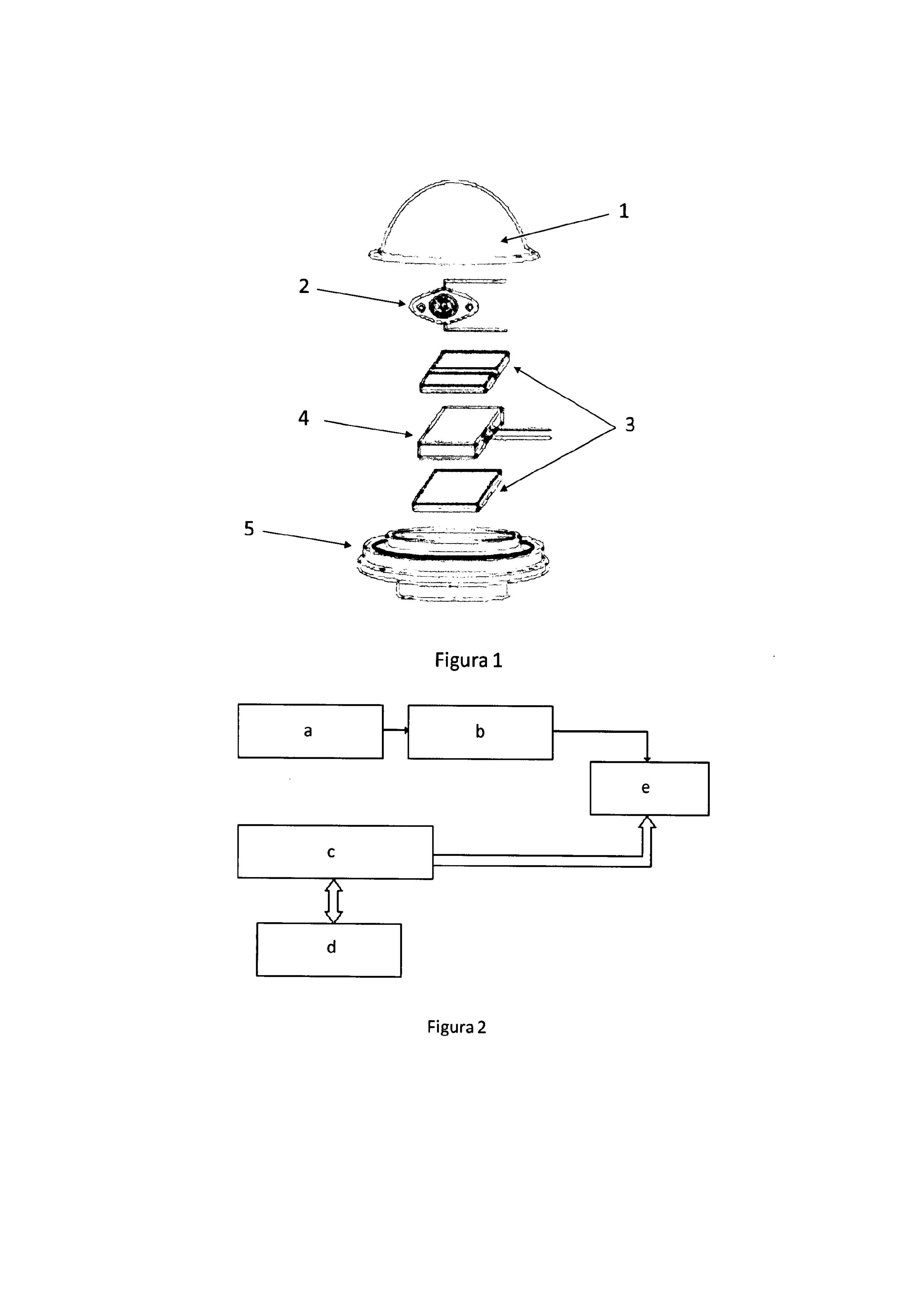
Yeda posted this:
Photovoltaic Devices Based on Guided Nanowire ArraysNanowires are being produced and integrated into various systems today, including solar cells, nano-sensors, nanoelectrodes, transparent touch-screen coatings, and LED replacements. Thus far, two major drawbacks in the advancement of nanowire-based technologies have been: (1) the lack of compatibility with existing platforms, mostly silicon technology, and (2) limited cell voltage. Researchers from the Weizmann Institute of Science have demonstrated a unique method that can solve these problems. The new technology is silicon-compatible and allows in-series nanowire integration, resulting in high voltage cells on a reduced size chip, thus expanding application opportunities for nanowire photovoltaic technologies, such as light-harvesting and autonomous powering of IoT components. Modules produced in this method are, therefore a promising autonomous power sources for next-generation integrated nano-systems and autonomous wireless electronics.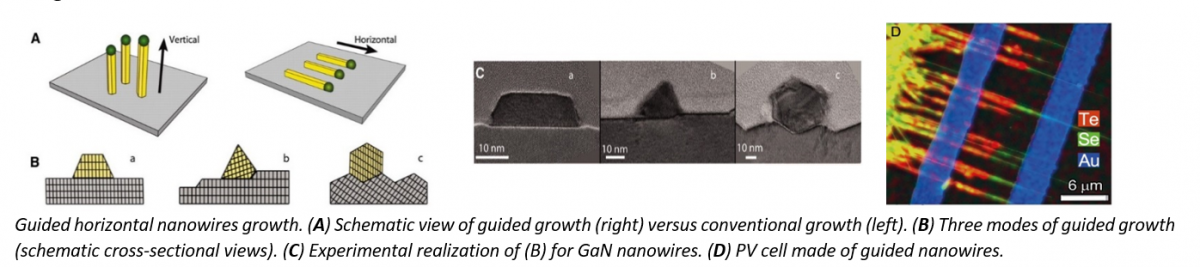
 Fabian BelinLuxembourg Institute of Science and Technology (LIST)Fabian Belin
Partnerships Development & IP Valorization at Luxembourg Institute of Science and Technology (LIST)
Fabian Belin posted this:
Photovoltaic forecasting approach (for grid operation and market integration at high PV penetration)Common forecasting methods for photovoltaic power systems can be based a) on physical models and numerical weather predictions, b) data-driven, using PV monitoring data, c) estimating cloud motions from satellite images or sky cameras or d) hybrid-models using different aspects of above mentioned methods. The basis of our forecast approach is a detailed physical model, allowing to consider very detailed technical characteristics of the PV systems, if this information is available. But it also allows for a simplified approach working with basic information on the PV systems, at slightly reduced accuracy. This model is driven by meteorological forecast data, originating from a numerical weather prediction service and delivers intra-day, up to 72 hours ahead forecasts. Since our model follows a bottom-up approach, it models each PV system individually and reaches good accuracies for single-site forecasts (RMSE around 10%, considering day-time values only).
Partnerships Development & IP Valorization at Luxembourg Institute of Science and Technology (LIST)
Subramani Naidu posted this:
Phytochemical based Therapy for Covid taste loss disorder and inflammationOur team of scientists have developed a pytochemical formulation for Covid which reduces viral load and inflammation. Its is useful in taste loss disorder. Its a combination of CBD-THC and a plant based alkaloid. They have safety profile of over 40 years. We have successfully formulated a rotocap based delivery system. We need strategic partners.
Promoter at QuickGun LifeScience- Alfonso del Rey PérezICMAB-CSIC
Alfonso del Rey Pérez posted this:
Piezomagnetic ε-Fe2O3 crystalsA new synthesis method to produce ε-Fe2O3 nanoparticles and its processing under high pressures and temperatures. ε-Fe2O3 nanoparticles are suitable for magnetic memories or wireless communication devices
Technology Transfer Officer at ICMAB-CSIC
 muriel dewildeBio Base Europe Pilot Plant
muriel dewilde posted this:
Piloting, scale-up and manufacturing equipment and expertiseWe provide process development, scale-up and manufacturing services in biotechnology, biorefinery, green chemistry, down stream purification from lab to 10 ton scale. For companies around the world or in EU consortia. For food grade or technical grade biobased products (proteins, nutraceuticals, bioplastics, ag tech products, materials, specialty carbohydrates, dietary fibres, biosurfactants). All the equipment you need, operated by our experienced personnel, in close communication with your specialists.
Business Development Manager at Bio Base Europe Pilot Plant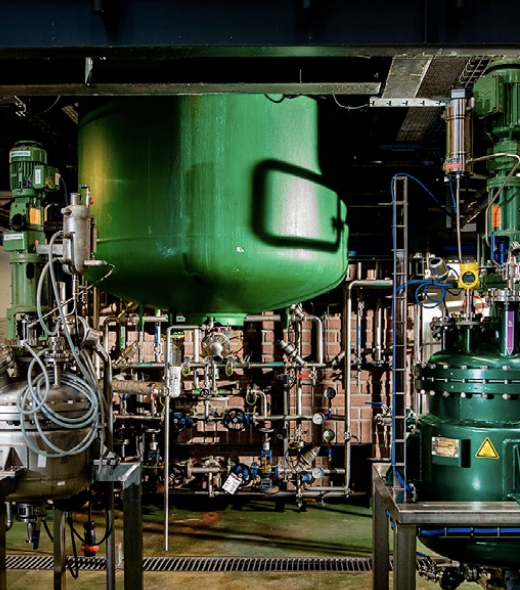
 UACOOPERA University of Aveirouacoopera
UACOOPERA University of Aveiro posted this:
Pínea - Eco-friendly firelighterEco-friendly firelighters, exclusively composed by natural and recycled materials, based on forest waste and bee wax. The firelighter resulting from this mixture is, itself, involved in a vegetal fiber-based paper, which can be detachable and individually used. The product aims the promotion of a better environmental sustainability and a closer relationship with the forest.
Technology Transfer Office at uacoopera
- CSIC - Consejo Superior de Investigaciones CientíficasCSIC - Consejo Superior de Investigaciones Científicas
CSIC - Consejo Superior de Investigaciones Científicas posted this:
Piperidine derivatives for the control of Parkinson's and Alzheimer'sCSIC has synthesized a series of piperidine derivatives that are capable of inhibiting the activity of the enzyme phosphodiesterase-8 (PDE8). This inhibitory activity makes them useful for the treatment of neurodegenerative diseases in which this enzyme is overexpressed. The compounds developed are, therefore, a new therapeutic alternative for Alzheimer's disease, and Parkinson, among others. Industrial partners from pharmaceutical industry are being sought to develop and commercialized the compounds through a patent licence agreement. An offer for Patent Licensing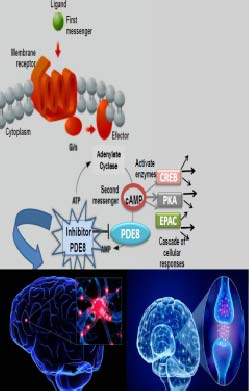
uacoopera posted this:
Planar diamond thermistors for harsh environments: applied to temperature measurements in combustion and jet engines for the automobile and aerospace industry, lasers, fuel cells and in biological and aggressive chemical environmentsThe new diamond thermistors can be used for temperature measurements in harsh environments such as aggressive chemicals at high temperature or in biological media due to their inertness. Furthermore, the sintered ceramic substrate guarantees superior adhesion and resistance to fracture under high mechanical loads. The fabricated temperature sensitive diamond surface comprises well adhered ohmic contacts deposited on the backside of the dielectric ceramic substrate. This configuration prevents interaction between the temperature sensitive surface and the surrounding environment which is essential for biochemical devices applications. Furthermore, the planar geometry of the disclosed thermistor maximizes the contact region between the temperature sensitive surface and any solid flat surface on which it is placed. In this way, improved response times are obtained comparing to traditional round shaped thermistors.