Technology Offers Site map description
N
 Universidad de AlicanteUniversidad de Alicante
Universidad de Alicante posted this:
New catalyst that eliminates efficiently chlorinated volatile organic compounds in gaseous streamsThe new mixed oxide catalyst of cerium-praseodymium (CexPr1-XO2) allow the efficient combustion of chlorinated volatile organic compounds (especially 1,2-dichloroethane). These new catalytic systems are able to work in gas streams at temperatures between 250-500 º C in an dynamic and continuous way without suffering a significant deactivation process. In recent years, environmental legislation has restricted the air emissions permissible levels, and particularly the emission of volatile organic compounds (VOCs) harmful for both the environment and human health There is a wide variety of VOCs, of different chemical nature (aliphatic, aromatic, oxygenated and halogenated compounds) and consequence of different emission sources (waste gases from chemical plants, soil and water decontamination, solvents evaporation , etc..), but 1,2-dichloroethane (DCE, C2H4Cl2) is the most lasting, dangerous and commonly used in industry (used, for example, massively in the process of polyvinyl chloride production and consequently chemical plants produce significant amounts of waste that require efficient treatment). Until a few years ago, VOCs were usually eliminated by thermal incineration. However, new legislation on VOC emissions has originated significant improvements on treatment technologies. This is the case of the catalytic oxidation that in recent years has shown its ability to destroy VOCs at temperatures below those used in thermal incineration and has also produced a significant reduction of secondary pollutants (nitrogen oxides). Currently, catalytic oxidation processes require heating large gas flows that contain a small amount of VOCs and put the gas in contact with solid catalysts that can either be • Those containing noble metals as active phase: they have a excellent oxidation efficiency, although their cost is very high and gradually lose their activity with the presence of chlorine in the reaction mixture. • Those containing transition metals: they have a lower cost and are more stable and durable, although less active than those containing noble metals.Universidad de Cádiz posted this:
New collision prevention system for shipsCurrently substantial efforts are being made in the maritime navigation sector to stop or reduce collisions between ships. Such collisions are significant causes of the loss of human life, losses of vessels and their cargos, and damage to the natural environment of the sea and coastlines. These efforts are being directed towards various different aspects of the problem, in particular the human factor, maritime regulation, the technical evolution of ships and, most importantly, marine navigation equipment.- Universidad de AlicanteUniversidad de Alicante
Universidad de Alicante posted this:
New composition to selectively extract lanthanides and actinidesThe Institute of Organic Synthesis and the Institute of Water and Environmental Sciences, belonging to the University of Alicante, have jointly developed an extractant mixture formed by the combination of a process ionic liquid (TSIL) and an ionic liquid (IL) that allows the selective and efficient extraction of metals of the f series of the periodic table (lanthanides and actinides) with respect to other metals of the s, p and/or d series. This technology is characterised by the fact that the extractant mixture can be reused in new extraction cycles without losing effectiveness, which represents a great advance in sustainability and environmental protection.This novel formulation can be applied industrially in areas such as mining, nuclear chemistry, nuclear medicine and nuclear waste treatment.Companies interested in acquiring this technology for commercial exploitation through patent licensing agreements are being sought.
 CSIC - Consejo Superior de Investigaciones CientíficasCSIC - Consejo Superior de Investigaciones Científicas
CSIC - Consejo Superior de Investigaciones Científicas posted this:
New compound for body weight regulation with applications in animal breedingCSIC has developed a modulating agent for regulating body weight. Nowadays, it is necessary to develop new alternatives to increase the profitability of animal breeding and increase meat production, key factors to meet the food needs of the world population. Since weight and body fat are two important factors in reproductive maturity in animals, it is necessary to find alternatives to regulate body weight to delay entry into puberty and avoid the cessation of the growth or fattening stage. In this way we can obtain a higher profitability in the herds and we can control more efficiently the growth of the animals. Companies interested in patent licensing are sought for the development and use of the same in animal breeding companies. An offer for Patent Licensing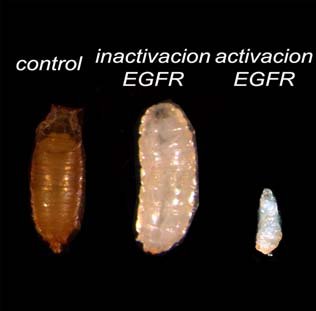
 Javier Montiel BonmatíUniversidad de Alicante
Javier Montiel Bonmatí posted this:
New compound to successfully treat degenerative diseases of the retinaThe research group "Neurobiología del sistema visual y terapia de enfermedades neurodegenerativas" of the University of Alicante has discovered the use of the compound 3-(2-isothiocyanatethyl)-5-methoxy-1H-indol, and its pharmaceutically acceptable salts, for the preventive or therapeutic treatment of degenerative diseases of the retina, such as: pigmentary retinosis, diabetic retinopathy, glaucoma or age-related macular degeneration. This compound has demonstrated, in vitro and in vivo, its neuroprotective capacity in various models under laboratory conditions. This compound is characterized by a 20% increase in neuronal survival, a 35% increase in visual acuity, and a 15% increase in contrast sensitivity. Therefore, it has very promising properties that could position it as the first effective treatment against degenerative diseases of the retina. We are looking for companies interested in acquiring this patent for commercial exploitation.
Universidad de Alicante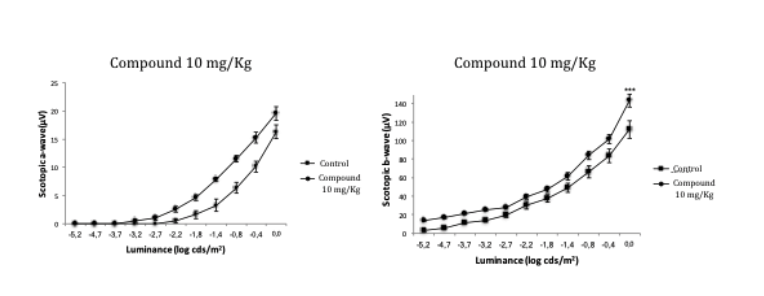
 Georgetown UniversityGeorgetown University
Georgetown University posted this:
New Compounds for Making Chiral Drugs and MoleculesThis invention introduces atropisomeric 1,8-bisphenol naphthalenes and their derivatives, which are designed for enantioselective recognition and asymmetric synthesis. Chiral drugs, which are compounds that exist in two mirror-image forms (enantiomers), account for over half of all medications currently in use. These enantiomers can exhibit significantly different biological activities, making the ability to separate and utilize the active form crucial for effective treatment. The new compounds developed through this invention can resolve enantiomers and facilitate the synthesis of chiral drugs, enhancing their effectiveness and safety. For example, these compounds can be applied in the development of chiral catalysts or sensors, improving the efficiency of chemical reactions that require specific stereochemistry.
Other Side Mirror S.L. posted this:
New concept laboratories to analyse the human body movements using a combination of technologies depending on the parts of the body to be analysed. We can combine 3D infrared Motion Capture, surface EMG, instrumented insoles, inertial devices and balanceIntegrated and synchronised laboratories, easy to be operated by only one person with reports already defined. Only is needed to fill in the diagnosis or conclusions. It is also prossible to adjust the laboratory specifications to the needs of each user, adapting the reports too. The technologies used are specific to the user needs: hospitals, rehabilitation clinics, sports, insurance companies, national health systems, ergonomy studies, etc.University of Huelva posted this:
NEW CONFIGURATIONS OF CC-CC CONVERTERS OF ONE INPUT AND MULTIPLE OUTPUTS WITHOUT TRANSFORMER AND POWER CONVERTER THAT APPLY THEMIt presents new configurations of CC-CC converters of single input and multiple outputs, without transformer, with a single input inductor. For its operation a single power switch is required, therefore, a single control circuit, which results in a smaller size, lower weight and simplicity compared to known systems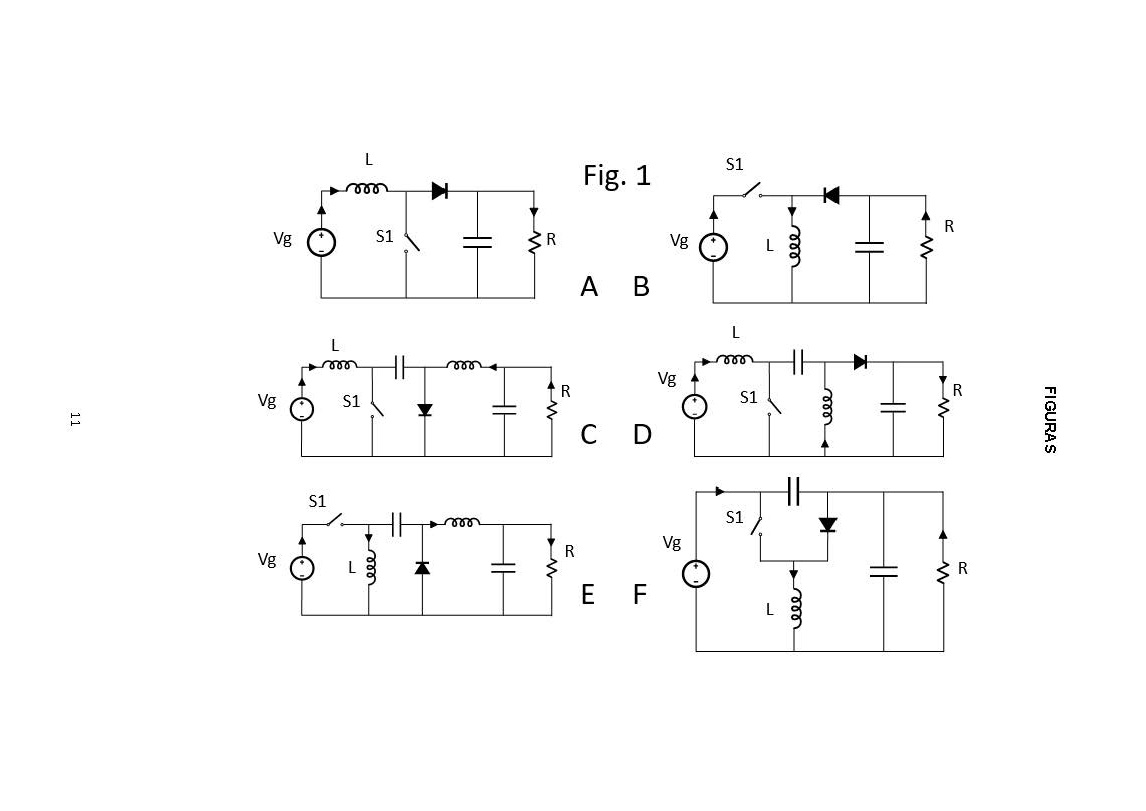
 Alfonso del Rey PérezICMAB-CSIC
Alfonso del Rey Pérez posted this:
new contactless method for the measurement of thermal conductivity in materialsContactless method to obtain the thermal conductivity tensor of anisotropic and isotropic samples, enabling the development of smart heat manipulation.
Technology Transfer Officer at ICMAB-CSIC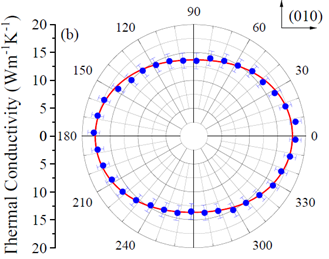
- Alfonso del Rey PérezICMAB-CSIC
Alfonso del Rey Pérez posted this:
New dendrimer as a contrast agent in magnetic resonance imaging (MRI)ICMAB has developed a new dendrimer that can be used as a contrast agent (CA) in magnetic resonance imaging (MRI). This new CA is non-toxic and it is expelled from live tissues in hours, making it the best option when periodical MRI tests are needed.
Technology Transfer Officer at ICMAB-CSIC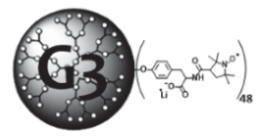
 Cracow University of TechnologyCracow University of Technology
Cracow University of Technology posted this:
New Derivative of Lupeol for cosmetic applicationsWe are seeking for cooperation partner to develop the manufacturing of cosmetic products based on New Derivative of Lupeol
University of Huelva posted this:
New device and system for the recovery of communication equipmentThe present device is focused on the automatic recovery of operating systems for routers and switches, which is one of the fundamental claims on this invention since there are no current devices in the state-of-the-art for such purposes. Another particularity that distinguishes to the present invention is that it is not only software or hardware in contrast to other approaches, but of a complete hardware/software device (i.e, both capabilities are combined). Another of the most significant singularities is its portability, since the invention is based on a reduced size device (non rackable) and made up of autonomous battery. This allows to carry out any function with total freedom to move. Besides the comfort, it contributes a great improvement in working time, since operating with distant devices implies an additional time in turning off, turning on again, and enabling the necessary services to start the recovery procedure. As additional feature, the invention looks for the universality and independence from manufacturers or device model. Besides this purpose, another differentiated function is the capability to store the firmware of the communication devices to be recovered (i.e., the image of the operating system) through an internal physical storage unit of great capacity.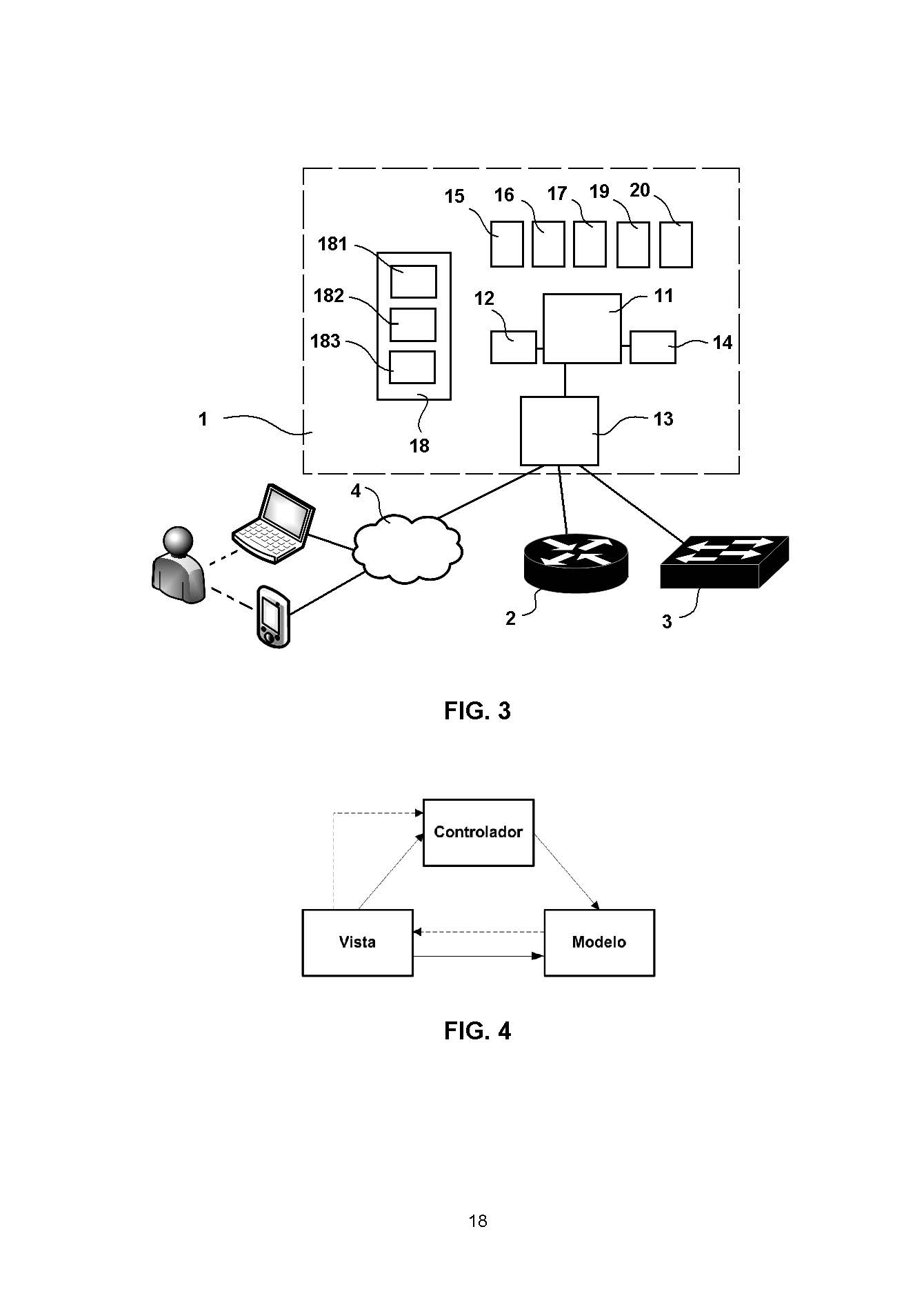
 Universitat Politècnica de Catalunya - UPCUniversitat Politècnica de Catalunya - UPC
Universitat Politècnica de Catalunya - UPC posted this:
New device for bidirectional optical linkA method and apparatus for bidirectional optical link using a single optical carrier and colorless demodulation and detection of optical frequency shift keyed data have been developed and patented. Partners to further develop the system and/or to establish commercial agreements along with technical cooperation are sought.- Universitat Politècnica de Catalunya - UPCUniversitat Politècnica de Catalunya - UPC
Universitat Politècnica de Catalunya - UPC posted this:
New device for laboratory animal telemetryA new implantable telemetry system for monitoring laboratory animals has been patented and developed. The device allows long term studies without any restriction on the positioning of the animal inside the cage. Partners to further develop the device and/or to establish commercial agreements along with technical cooperation are sought.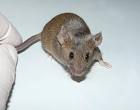
 University Hospital Hradec KrálovéUniversity Hospital Hradec Králové
University Hospital Hradec Králové posted this:
New Disinfectant QASc - Completely new quaternary ammonium salts, substances with a broad-spectrum effect.Currently, the incidence of bacteria resistance to antimicrobial agents such as antibiotics, but also commonly used disinfectants, becomes an issue in the field of disinfection. In many cases, multidrug-resistant strains to both groups of anti-infectives compounds were described. This trend results from the long-term use of antibiotics and disinfectants, especially in hospitals where bacteria are constantly exposed to the selection pressure of antibiotics and thus the bacteria are able to develop resistance to antimicrobials due to evolutionary mechanism. We have prepared completely new substances with a broad spectrum effect: high antimicrobial potential against bacteria (EN 13727 + A2), mycobacteria (EN 14348), fungi (EN 13624) and enveloped viruses (EN 14476 + A2). Substance is significantly effective even at very low concentration. Advantages Effective at low concentration (0,06%): • low production costs • low allergy potential • friendly to surfaces • waste-water friendly Potential Applications • healthcare • agriculture • food industry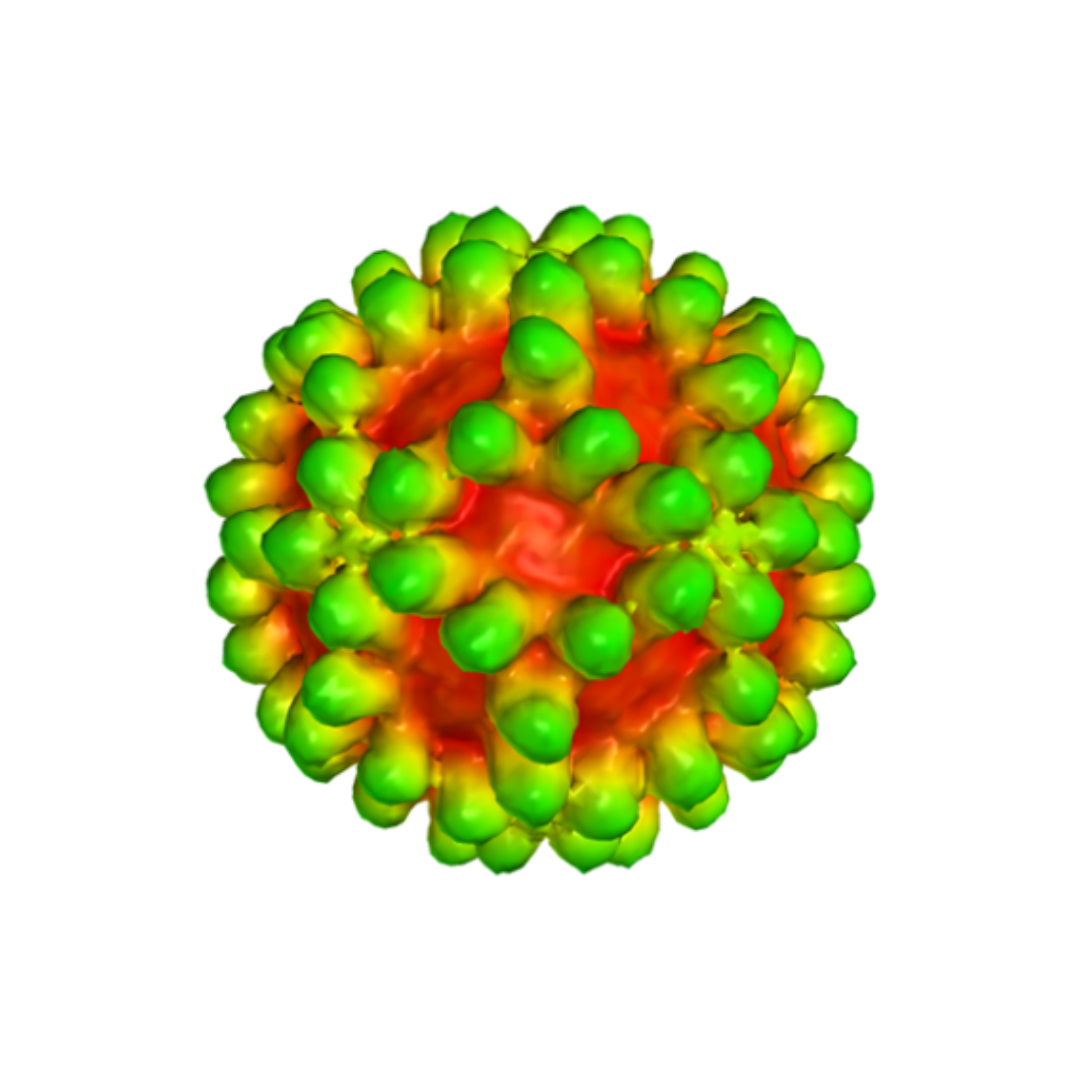
- CSIC - Consejo Superior de Investigaciones CientíficasCSIC - Consejo Superior de Investigaciones Científicas
CSIC - Consejo Superior de Investigaciones Científicas posted this:
New DNA SARS-CoV-2 vaccineNew DNA SARS-CoV-2 vaccine CSIC has developed an efficient DNA SARS-CoV-2 vaccine prototype based on the combined administration of the spike (S) glycoprotein as well as the nucleocapsid (N) protein encoded nucleotide sequences of SARS-CoV-2. Mice vaccinated with two doses of the combination of plasmids containing Sfs (including furin-stabilized S nucleotide) and N encoding genes elicited a SARS-CoV-2-specific humoral immune response and a complete protection against the disease. Industrial partners from the biotech or pharmaceutical industry are being sought to collaborate through a patent licence agreement. An offer for Patent Licensing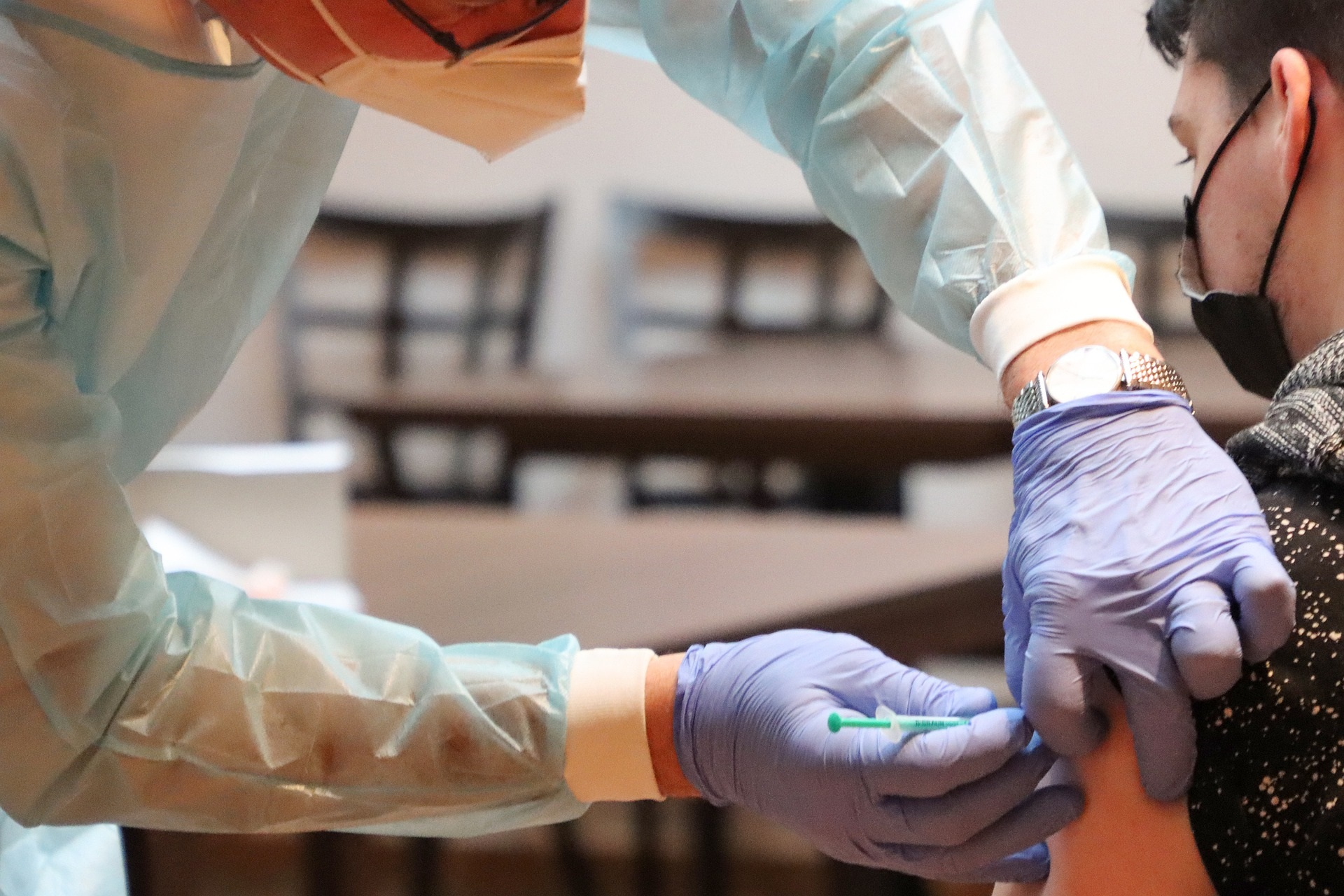
 IMIM Institut Recerca Hospital del MarIMIM Institut Recerca Hospital del Mar
IMIM Institut Recerca Hospital del Mar posted this:
New drug for steatohepatitis treatmentA new alternative treatment for steatohepatitis has been developed; it consisits on new series of amides of fatty acids with fenilalquilamines (amphetamines, dopamine, etc.) A new mechanism of action based in reductions of consumption is exploded: activation of reduce intake and oxidative stress antagonism.Krasen Dimitrov posted this:
New effective and eco-friendly product to destroy Helicobacter pylori on the basis of plant components to which the bacteria can not become resistant.The product prevents stomach cancer, stomach ulcer, chronic gastritis, duodenal cancers and can alThe product prevents stomach cancer, stomach ulcer, chronic gastritis, duodenal cancers and can also be used by healthy people without symptoms. It does not contain antibiotics! Absolutely harmless to all organs of the body - does not cause complications! Extremely effective against the destruction of Helicobacter pylori. Unlike known forms of antibiotic and probiotic treatment, the product offers an alternative through specially selected plant extracts processed in an established plant to increase the natural antibacterial properties in a way that the bacteria can not get resistance.
CEO at MAMEL&Ecobiotechnoservice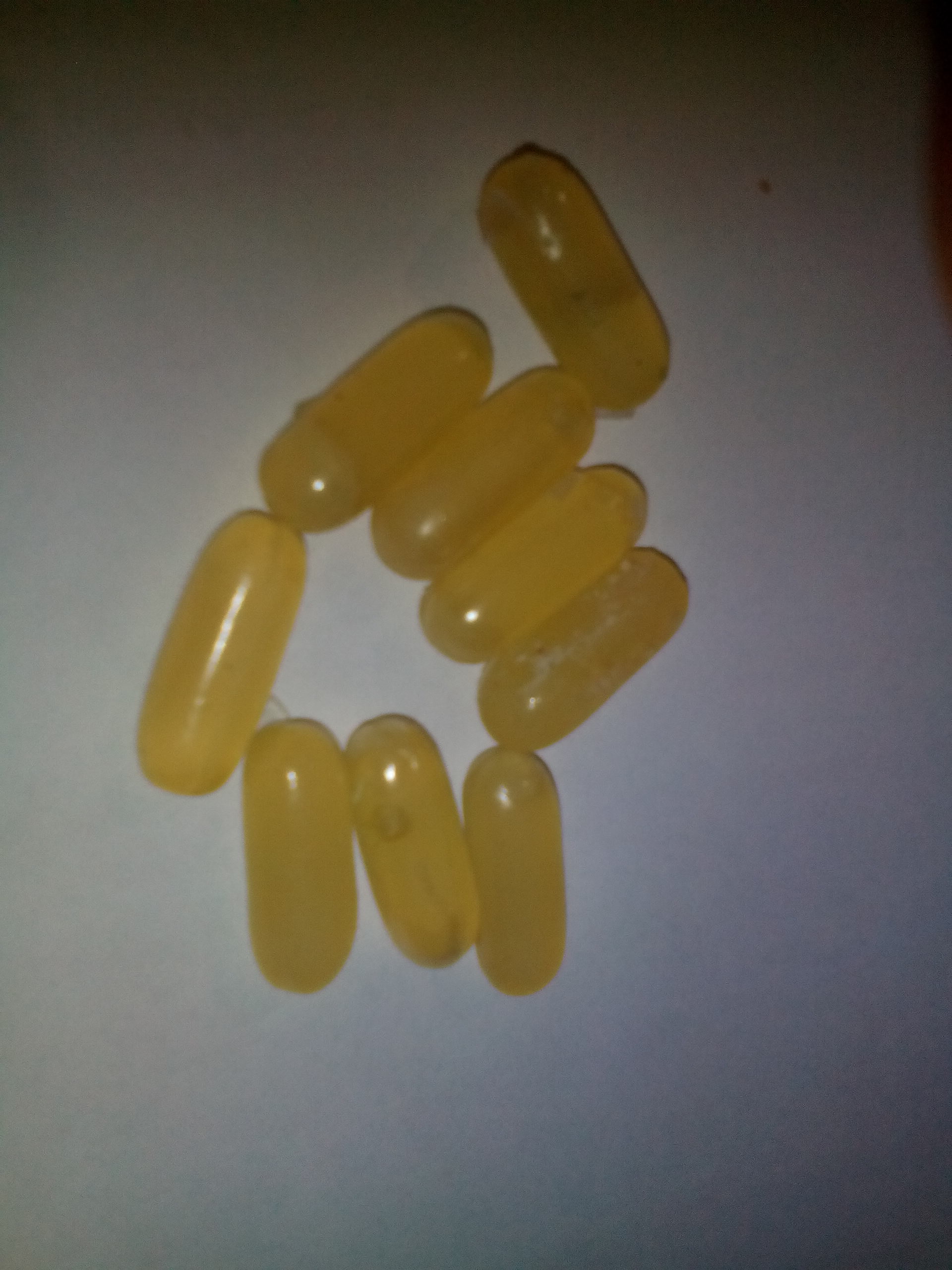
uacoopera posted this:
New electrochemical etching device which allows producing Sharp metal wires at the micro- or nanoscale in less than 1 minuteThe state-of-the-art technology for individual micro- or nanoelectrodes is based on expensive techniques such as FIB (Focused Ion Beam). The less expensive electrochemical techniques are based on somewhat complex circuitry and require the use of ultra-fast current cut-off systems at the nanosecond scale. This electrochemical sharpening method constitutes allows to produce microelectrodes in less than 1 minute in a reproducible, simple and inexpensive manner in therms of required equipment, device assembly and technical execution. Vilnius UniversityVilnius University
Vilnius University posted this:
New engineered Geobacillus lipase GD-95RM for IndrustryGD-95RM lipase is new microbial lipolytic biocatalyst evolved through protein engineering, using directed evolution. This lipolytic biocatalyst is successfully produced by heterologous protein expression in E. coli BL21 (DE3) and purified by using native IMAC conditions. It has been reported that GD-95RM lipase successfully performed hydrolysis of different commercially available oils and fats at a broad temperature range (20-75°C) with preference to higher temperatures, displayed activity at alkaline pH and are compatible with organic solvents (ethanol or methanol). GD-95RM lipase is also compatible with compounds potentially involved in detergent production (trisodium citrate, sodium perborate, urea, boric acid or citric acid). Long term storage up to 3 months at room temperature of native and immobilized forms of GD-95RM is also possible.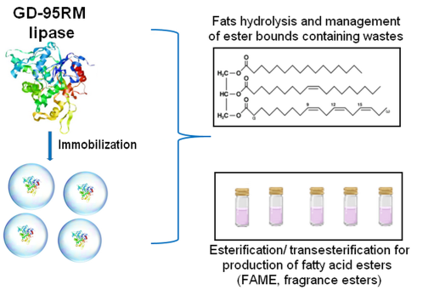
 UNIVERSIDAD DE BURGOSUNIVERSIDAD DE BURGOS
UNIVERSIDAD DE BURGOS posted this:
New enviromental friendly method for the catalytic reduction of sulfoxides using poliols (pinacol or glycerol) as reducing agentsThe present technology relates to a new general procedure for the reduction of sulfoxides to sulfides using [MoO2Cl2(dmf)2] as catalyst and poliols (pinacol or glycerol) as reducing agent. The products are obtained in excellent yields. It is worth to note that this new procedure uses an easily available and non-toxic reducing agent, that generates non-toxic byproducts which are easily separated from the sufide synthesized.
UNIVERSIDAD DE BURGOS posted this:
New enviromental friendly method for the catalytic reduction of sulfoxides using poliols (pinacol or glycerol) as reducing agentsThe present technology relates to a new general procedure for the reduction of sulfoxides to sulfides using [MoO2Cl2(dmf)2] as catalyst and poliols (pinacol or glycerol) as reducing agent. The products are obtained in excellent yields. It is worth to note that this new procedure uses an easily available and non-toxic reducing agent, that generates non-toxic byproducts which are easily separated from the sufide synthesized.
- Universidad de AlicanteUniversidad de Alicante
Universidad de Alicante posted this:
New family of dyesThe main innovative aspects of this technology regarding current methods of synthesis are: • The indolizine dyes are obtained in one step from commercially available materials, unlike current procedures, which involve multiple steps. This is an advantage in the production process, as it reduces costs, increases the final yield and less waste is generated. • The procedure is based on a very simple treatment which produces indolizine dyes in yields higher than 70%. • The present invention does not require the use of inert atmosphere, dry solvents or physical activation (heat or radiation) to obtain the final product. • Unlike other methodologies for preparing indolizine dyes (requiring temperatures around 100°C), this process is carried out at room temperature and atmospheric pressure, which simplifies the method and decreases production costs. • This is an environmentally friendly technology because it does not use solvents such as dioxane, pyridine, chloroform or benzene, which are used in other methods and are characterized by their high toxicity and demonstrated carcinogenicity. • The selectivity of the reaction is very high. The indolizine dye is obtained with absolute control, obtaining a single isomer of the ten possible.
 Unismart - University of Padua FoundationUnismart - University of Padua Foundation
Unismart - University of Padua Foundation posted this:
New fenestrated and equipped with an endobag aortic arch endograftThis endograft is dedicated to aortic arch aneurysm treatment. Its aims to favor a less invasive approach compared to the ‘classical’ more risky, open reconstruction and to reduce some problems with the aortic arch endografts, currently in use. This fenestrated endograft is equipped with an endobag and is specifically designed for the aortic arch segment.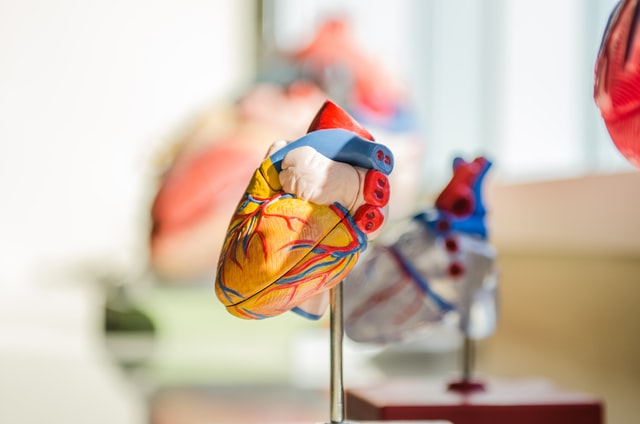
- Universitat Politècnica de Catalunya - UPCUniversitat Politècnica de Catalunya - UPC
Universitat Politècnica de Catalunya - UPC posted this:
New FFTH-PON Network for extended numbers of usersA new Passive-Optical-Network (PON) for Fiber-To-The-Home (FTTH) services has been developed in the frame of the National Research Project TEYDE. While current FTTH networks as GPON and EPON can reach a maximum of 32-64 users, the proposed PON can serve more than 4000 users, thanks to a new device for distributing the signal among the users that intelligently recycles the noise generated by other elements of the network. Partners to further develop the device and/or to establish license agreements with technical cooperation are sought.
- Javier Montiel BonmatíUniversidad de Alicante
Javier Montiel Bonmatí posted this:
New filter for removing tar, nicotine and toxic compounds from tobacco smokeThe group of investigation of Processing and pyrolysis of polymers of the University of Alicante has developed a new combined filter that eliminates the tar, the nicotine and other toxic gases present in tobacco smoke in a very efficient way more efficiently than current filters available in the market. The invention is characterized because it combines three membranes of different characteristics arranged in a very specific way. The primary membrane (M1), located at the end closest to the tobacco column, is formed by a perforated disk of impermeable material. It also has an outer membrane (M3) of cellulose acetate fiber located at the end in contact with the mouth of the smoker. It can also incorporate a cylindrical intermediate membrane (M2) between M1 and M3 formed by an adsorbent material. This innovative combined filter has a low manufacturing cost, allows to dispense tastes and flavors, and can be applied in both commercial cigarettes and filters for rolling tobacco. Wanted companies interested in acquiring this technology for commercial exploitation.
Universidad de Alicante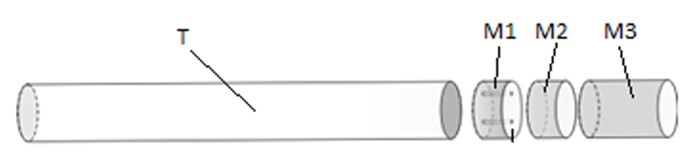
- UNIVERSIDAD DE BURGOSUNIVERSIDAD DE BURGOS
UNIVERSIDAD DE BURGOS posted this:
New fire resistant plaster based materialResearchers from the University of Burgos have patented a new gypsum-based material that has improved properties for construction, especially for use as coatings where high fire resistance is required. This material is made up of waste from the iron and steel industry for which the criteria for its use and basic dosages are set to guarantee its resistance and durability, as well as a high degree of performance and implementation, as well as resistance to fire.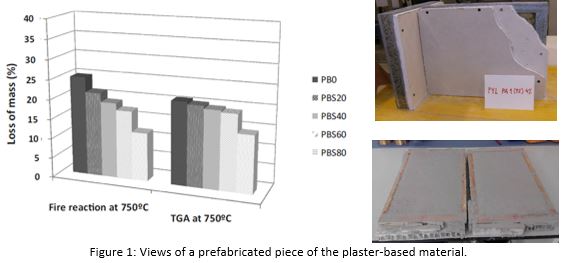
UNIVERSIDAD DE BURGOS posted this:
New fire resistant plaster based materialResearchers from the University of Burgos have patented a new gypsum-based material that has improved properties for construction, especially for use as coatings where high fire resistance is required. This material is made up of waste from the iron and steel industry for which the criteria for its use and basic dosages are set to guarantee its resistance and durability, as well as a high degree of performance and implementation, as well as resistance to fire.NDI Foundation posted this:
NEW FLUORINATED CARBON MATERIALS FOR FUEL CELLS AND BATTERIESOur project is the solution for sorting out rechargeable batteries enchanted anode and fuel cells Proton Exchange Membranes (PEM) efficiency issues. We propose to start mass production and sales of the products based on the new technology of Soft Fluorination for Carbon Materials and products derived by this technology. Our product is globally prospective and ready for industrial use. The product is targeted to the following segments of clients: - fuel cells producers - proton exchange membranes (PEM); - energy storage systems - batteries and super-capacitors electrodes; - Super-acid Catalysts for numerous uses; - Fillers for fluorinated resins; - Biologically indifferent sorbents (e.g. for blood purification); - Hydro-isolation of resins adhesion of construction composite materials and pigments. As so far in the fuel still not realized their potential as a cost efficient, environmentally friendly and productive in converting available chemical energy into electric energy.