Technology Offers Site map description
S
 Cracow University of TechnologyCracow University of Technology
Cracow University of Technology posted this:
Sintering technique for both high density and high precision of steel-based sintersThe invention relates to the special additions that may be introduced to virtually any powder mixture based on steel aimed for sintering process. Specifically, the additions result in increased density (mainly of 0.5-0.7 g/cm3) of a final sinter accompanied with both high dimensional precision and increased corrosion resistance. Also, the invention decreases the sintering time down to 30 minutes. Application of this technology do not require modification of machine park and may easily utilized by anyone already sintering steel components. Justina SileikyteUnismart - University of Padua FoundationJustina Sileikyte
Project manager - Technology transfer at Unismart - University of Padua Foundation
View ProfileJustina Sileikyte posted this:
siRNA for EEC associated blindnessEEC syndrome, caused by p63 gene mutations, leads to limb defects, orofacial clefting, ectodermal dysplasia, and vision loss due to ocular surface defects. No targeted treatments exist, leaving patients reliant on symptomatic care. Our proprietary siRNA specifically targets the R279H mutation in the p63 gene, demonstrated in patient-derived models to counteract the mutation’s effects and preserve vision by addressing the disease's root cause.
Project manager - Technology transfer at Unismart - University of Padua Foundation
UNIVERSIDAD DE BURGOS posted this:
Sistema de detección de intrusiones basado en agentesEl Sistema de Detección de Intrusiones desarrollado combina diferentes paradigmas del campo de la Inteligencia Artificial para ofrecer una visualización intuitiva del tráfico que circula por una red de ordenadores que posibilita la identificación intrusiones y ataques en etapas tempranas. Para ello procesa y analiza los paquetes que viajan por la red que se pretende monitorizar, seleccionando de las cabeceras de estos, información no sensible.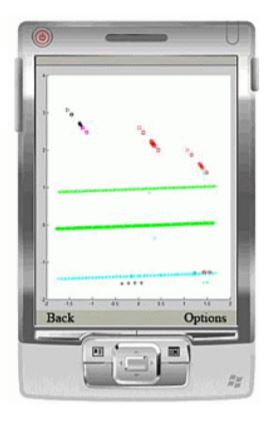
SUSANA CÁMARA DECIMAVILLA posted this:
Sistema y procedimiento de tratamiento anaerobio de fluidos residuales biodegradablesBiorreactor compuesto por dos depósitos cerrados comunicados (tanque de digestión anaerobia y tanque de filtración) para el tratamiento anaerobio de aguas residuales complejas con producción de biogás. Se emplea material de relleno, de forma desordenada, aumentando la capacidad de acumulación de biomasa activa y permitiendo trabajar con flujo descendente en el tanque de digestión.
CEO at UNIVERSIDAD DE BURGOS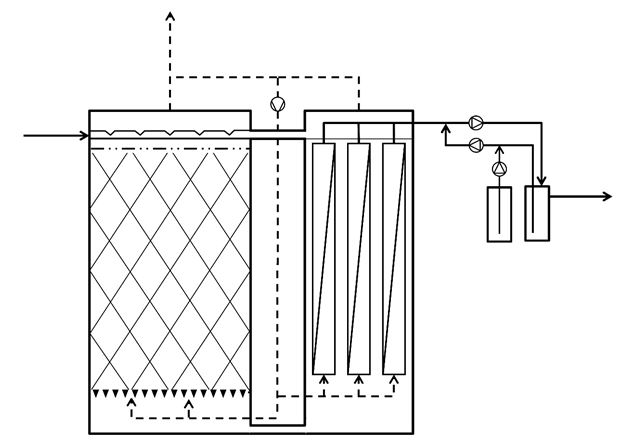
University of Porto posted this:
Skincare cosmetic formulations containing pyranoanthocyaninsThe present invention comprises skincare cosmetic formulations containing pyranoanthocyanins, which are stable natural pigments possessing UV protection and moisturizing properties, as well as anti-dark spots, anti-wrinkles, wound healing and inhibition of biofilm formation. In addition, these compounds present high colour stability at a wide pH range, an important feature for its application in cosmetic products. The application of pyranoanthocyanins extracts avoid the use of physical filters or organic UV filters, known for leading to anaesthetic opaque formulations and rising toxicity concerns, respectively. The pyranoanthocyanins herein described can be incorporated into skincare formulations, in particular anti-ageing and sun-protection products. This invention also comprises a process of extraction of anthocyanins from different foodstuffs or by-products and their conversion through hemi-synthesis into the desired pyranoanthocyanins.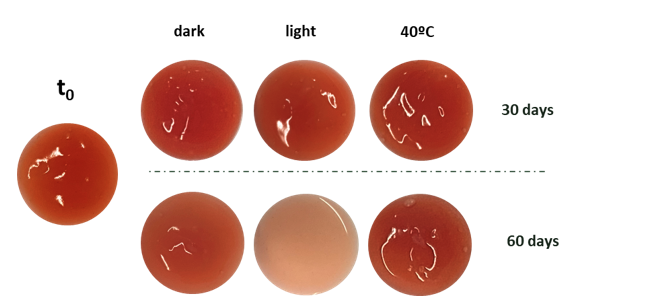
 Georgetown UniversityGeorgetown University
Georgetown University posted this:
Slc25a1 inhibitors for the treatment of Non-Alcoholic Fatty Liver Disease or Non-Alcoholic Steatohepatitis- A pharmaceutical composition comprising a solubilized SLC25A1 inhibitor for treating non-alcoholic fatty liver disease (NAFLD) has been shown to halt the evolution of non-alcoholic steatohepatitis (NASH) reverting steatosis, decrease inflammation, decreas - The SLC25A1 inhibitor may be administered alone or in combination with a second therapeutic agent, such as a CCK receptor inhibitor, metformin, pioglitazone, vitamin E, or statin. - The SLC25A1 can be administered in conjunction with other therapies for liver disease, for example, at the same time, prior to or after surgery, immunotherapy, transplant therapy, or other pharmacotherapy.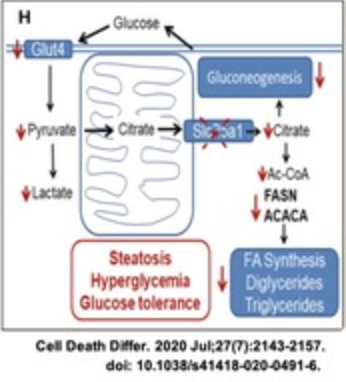
 Rafał LubańskiUniwersytet Śląski w Katowicach
Rafał Lubański posted this:
Sleep monitoring system / System monitorujący senSleep monitoring system Allows to monitor people on many mobile devices at the same time. The system uses small radio sensors placed on the body. The sensors send data to a mobile application that displays information about the body position, breathing cycles and pulse. In addition, a base station can be used, which enables to charge the sensor inductively and performs monitoring functions, regardless of mobile devices ______________________________________________________________ System monitorujący sen Pozwala na monitorowanie osób na wielu urządzeniach mobilnych jednocześnie. Wykorzystuje sensory radiowe umieszczane na ciele, które wysyłają dane do aplikacji mobilnej, wyświetlającej informacje o położeniu ciała, cyklach oddechowych i pulsie. Dodatkowo można wykorzystać stację bazową, pozwalającą na indukcyjne ładowanie sensora oraz pełni funkcje monitorujące, niezależnie od urządzeń mobilnych
samodzielny referent at Uniwersytet Śląski w Katowicach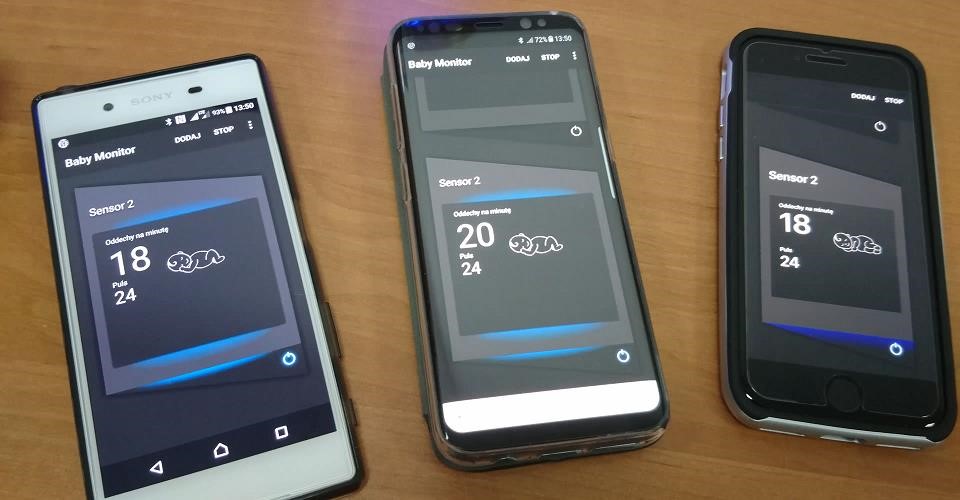
 University Hospital Hradec KrálovéUniversity Hospital Hradec Králové
University Hospital Hradec Králové posted this:
Sling for paretic limb - Special aid for patients after stroke or brachial plexus injuryParesis of the upper limb is one of the most common consequences of a stroke or brachial plexus injury. Patients have difficulties controlling the paretic limb, especially against gravity so it can create overloading-induced soft tissue damage in the shoulder area, which can lead to the painful shoulder syndrome. Reduced ability of paretic upper limb to perform functional movements (e.g., reaching, grasping, and manipulating an object) leads to difficulties in performing daily activities and dependence of the individual on the help of others. In addition to the irreplaceable role of intensive rehabilitation, temporary positioning of the limb is necessary. For this, rehabilitation aids are used to improve the user’s self-service and quality of life. Common solution for positioning paretic upper limb are currently, for example, a non-woven triangular bandage or a „bag“ type arm sling in which the forearm is placed in a soft „bag“ with a free wrist. However, these aids can overload the cervical spine and cause pain, while at the same time, it can be difficult for the patient to fix the paretic limb in such aids by himself. Our invention is intended to be used for simple fixation of the paretic upper limb in the ideal position without the need to be hung over the neck area. The aid is intended to be used for temporary period, until the patient’s condition stabilizes, and he can already be equipped with a suitable orthosis or for a temporary period until the function of the upper limb improves. The positioning sling fixes the elbow joint and the wrist of the handicapped upper limb into a „pocket“, which forms a support and ensures the ideal position of the limb by preventing damage to the muscles and joints of the upper limb. Thanks to the elastic part, there is no overloading in the shoulder area and the sling does not slip and fits well. The sling can put on by the patient himself, thus increasing patient’s self-service and quality of life during recovery. The sling is suitable for patients after a stroke, with brachial plexus paresis, peripheral paresis and after injuries of the upper limb, where temporary positioning is necessary. It can also be used, for example, in Sudeck syndrome, which is associated, among other things, with the development of edema. The use of a sling ensures a smaller bend in the elbow joint and a better lymphatic drainage of the upper limb, thus reducing the edema, enabling better rehabilitation process and minimizing the occurrence of secondary problems. After being given instructions, the patient usually manages to put the device on the limb by himself. Main advantege is its simplicity - setting the appropriate length of the sling using velcro makes aid universal and efficient during recovery, it also improves patient’s self-service during daily activities. It is also easy to handle, which was confirmed by social workers and medical staff. It can be used both in home and institutional care.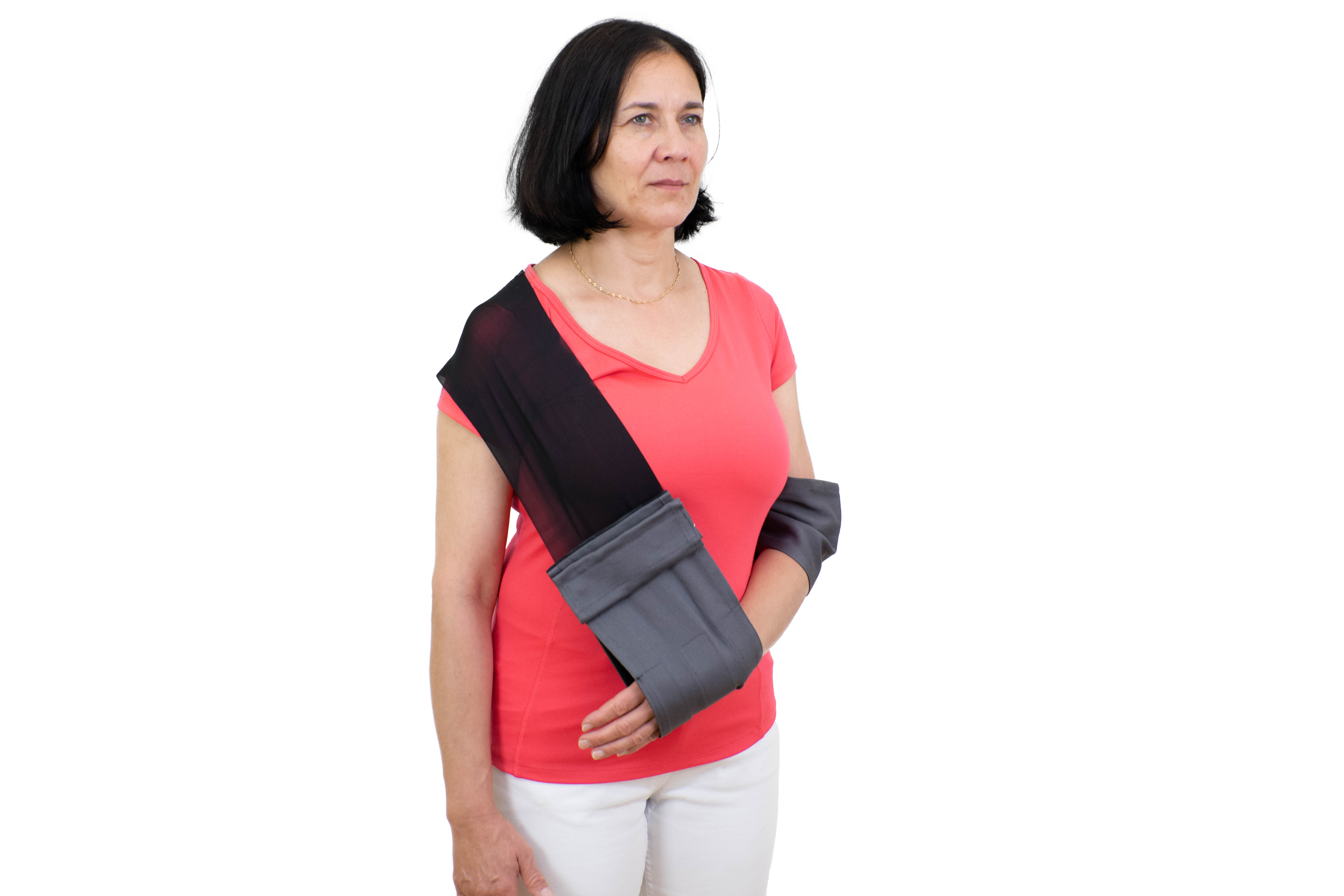
Yeda posted this:
Small Molecules for Treatment of Huntington's Disease and Related DisordersTrinucleotide repeats expansion disorders (TREDs) are a set of diseases in which repetitions of short DNA segments (three nucleotides) occur and accumulate in the genome. This is the cause of several neurological and neuromuscular disorders such as Huntington's disease (HD) and amyptrophic lateral sclerosis (ALS), which are lethal and currently incurable. The current technology offers a set of pharmacological compounds that can inhibit the transcription of only the mutated expanded allele, without affecting the wt allele,thus potentially treat neurological pathologies caused by TREDs such as HD.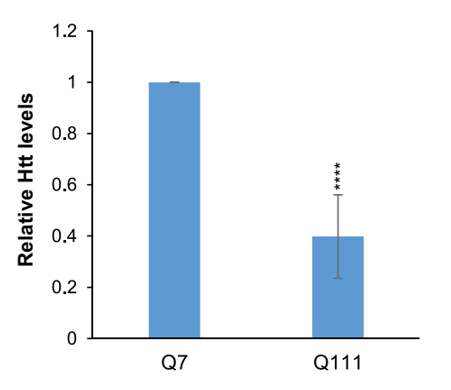
- Javier Montiel BonmatíUniversidad de Alicante
Javier Montiel Bonmatí posted this:
Smart bench for ambulances and air-ambulancesThe Department of Nursing of the University of Alicante has designed a new ambulances platform, which in addition to the current functions of the platforms allocating the stretchers in vehicles, provides the exact value of the weight of the patient, in real time, facilitating the calculation of precise doses of drugs, fluids, mechanical ventilation, etc. This platform has digitals sensors placed parallel along its lower side bars, connected to a digital transmitter and a screen via bluetooth or Wi-Fi. The design of the electronic device can be configured in a basic mode, just showing the weight of the patient allowing to health professionals to better calculate the correct doses of drugs, etc., by themselves; or its advanced mode, also detailing the exact dose of drugs, fluids, parameters of invasive mechanical ventilation, amount of energy, etc., automatically calculated with an integrated software. Companies interested in the commercial exploitation of the invention through a patent license agreement are sought.
Universidad de Alicante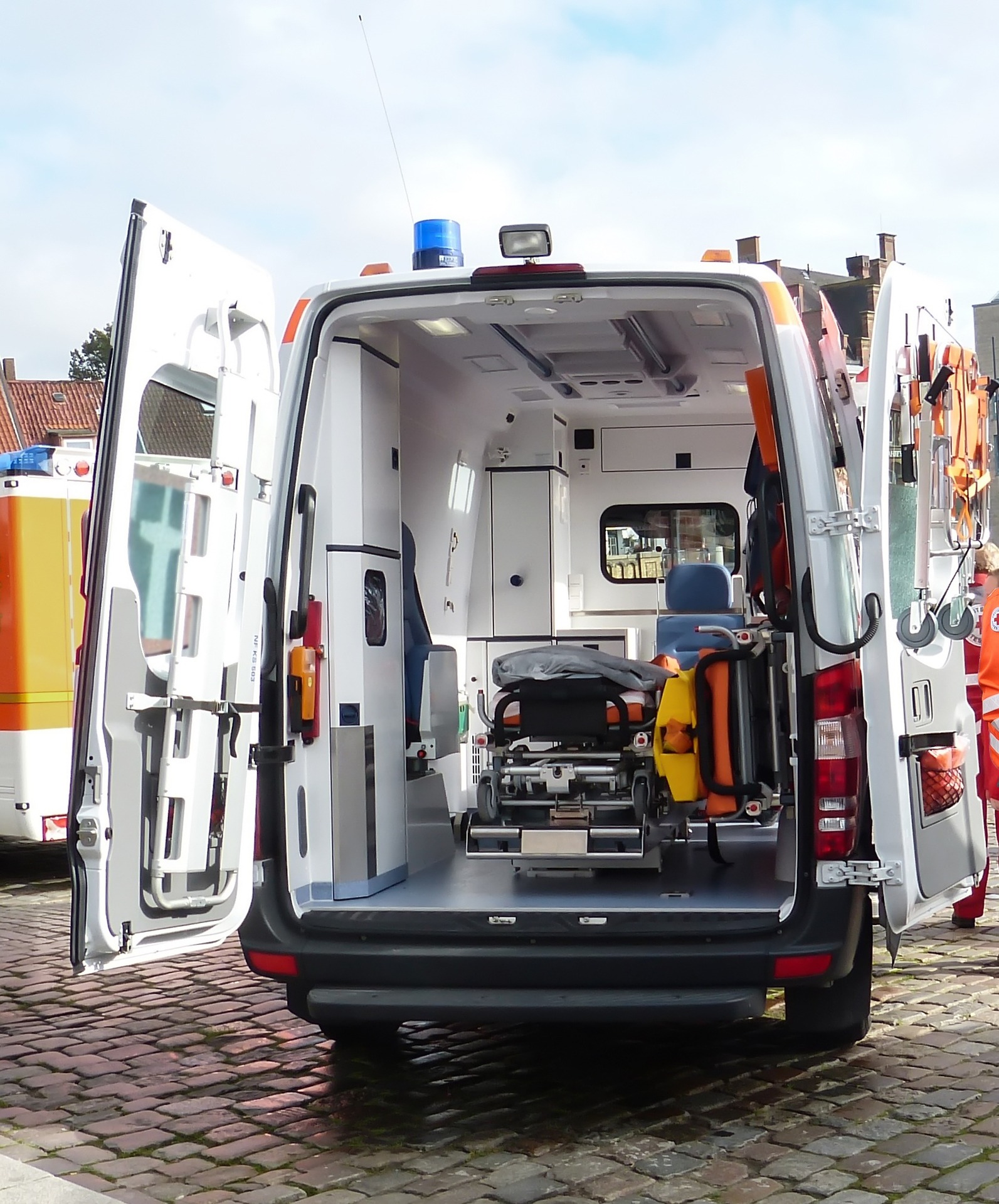
 Universidad de AlicanteUniversidad de Alicante
Universidad de Alicante posted this:
Smart City - Step on me and I'll warn you!Researchers from the Civil Engineering Department of the University of Alicante, in collaboration with the company ACCIONA Construcción S.A., have developed an innovative system that warns of the presence of an object and/or individual close to a certain area by emitting an acoustic and/or light signal. The device is capable of receiving an electrical signal from a conductive cement-based material which, when pressure is applied to it, the cement material itself acts as an electrical switch.
 Unismart - University of Padua FoundationUnismart - University of Padua Foundation
EPIC Semiconductors posted this:
Smart Dust: A Battery-Free, Energy Harvesting Sensor with Integrated Pre-Quantum Superposition Processor and Artificial Intelligence that Communicates Wirelessly and Bidirectionally to the Cloud (RF-Free & Zero Power).EPIC Semiconductors (EPIC) is a fabless technology design firm founded in 2008 in Vancouver, Canada. EPIC has developed a microscopic AI sensor chip (Smart Dust) featuring energy harvesting (this eliminates the use of toxic batteries) and bidirectional non-magnetic (RF-free) communication. Its small size allows it to be easily embedded into everyday objects, sensing “human actions, physical forces, chemical reactions and bio-effects”. Why we do not like batteries? Batteries contain chemicals and metals that are harmful for the environment. As they decompose in landfills they undergo a photochemical reaction which results in greenhouse gasses and global warming. The harmful chemicals in the batteries will end up in the water supply, damaging the health of people, micro organisms, animals and plants. Why we are against RF-waves? High frequency electromagnetic radio-waves are known to damage the DNA cells of living organisms (leading to mutations and the uncontrolled cell growth we know as cancer). Furthermore, wireless technologies provide rising pollution of microwaves (electro smog).
- at EPIC Semiconductors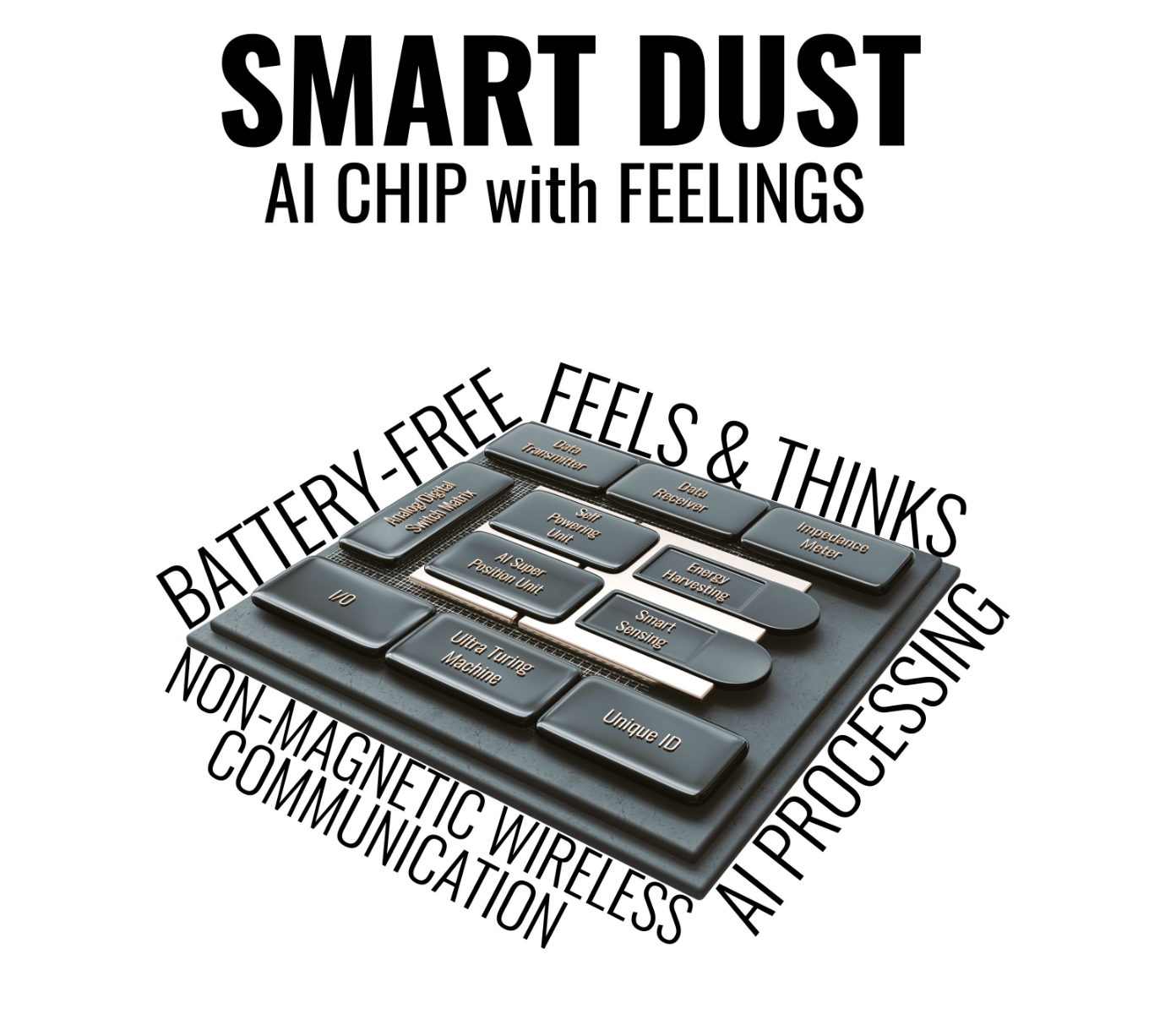
 Dirección de Transferencia Tecnológica (DIT) Universidad Adolfo IbáñezUniversidad Adolfo IbáñezDirección de Transferencia Tecnológica (DIT) Universidad Adolfo Ibáñez
Agente de Innovación at Universidad Adolfo Ibáñez
View ProfileDirección de Transferencia Tecnológica (DIT) Universidad Adolfo Ibáñez posted this:
Smart Fortification Kit for mining and building work sitesThe present technology consists of three inventions: a Dynamic Support Cable, a Fortification Bolt, and an Indirect Measurement Device for split friction bolts, which together form the Smart Fortification Kit. The ultimate goal of this kit is to measure the "health" of the walls in mining operations or civil construction to prevent collapses and, in the event of a collapse, to improve resistance capacity.
Agente de Innovación at Universidad Adolfo Ibáñez
 University of Alberta, Technology Transfer ServicesUniversity of Alberta, Technology Transfer Services
University of Alberta, Technology Transfer Services posted this:
SMART FRICTION PENDULUM SYSTEMA novel Friction Pendulum System (FPS) that improves on the recovery capability of current friction pendulum systems and increases energy dissipation capacity.
 Lars CuypersMax-Planck-Innovation GmbH
Lars Cuypers posted this:
Smart Heat Management with Core-Shell Catalyst Pellets: Preventing Hotspots, Maximizing YieldProf. Kai Sundmacher and co-workers at the MPI for Dynamics of Complex Technical Systems developed a novel core-shell catalyst design with a highly active catalyst core surrounded by an inert, low-permeability shell. The new catalyst design leads to an intrinsic heat management that avoids hotspots in strongly exothermic reactions. This allows faster reactor start-up and shut-down and makes the catalysts suitable for rapid load changes in discontinuous processes that are currently discussed for Power-to-X processes based on renewable energy sources like wind or solar. The novel catalyst design is based on computer similations but we already reproduced the calculated performance with real core-shell design catalysts in the laboratory.
Senior Patent and Licensing Manager at Max-Planck-Innovation GmbH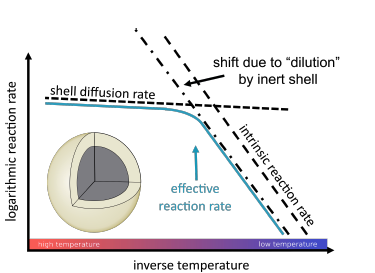
Paloza LLC posted this:
Smart heavy metal scavenger materials and technologyWe developed smart heavy metal scavenger material that can remove heavy metals such as Pb2+, Hg2+, Cu2+, Ag+ etc. After removing the heavy metal ions, the material can be regenerated for reuse. The synthesis process of the material is well established and the material can be synthesized in large scale. We now look for users or large companies that can market our materials and technology for us.- Javier Montiel BonmatíUniversidad de Alicante
Javier Montiel Bonmatí posted this:
Smart polyurethane pressure-sensitive adhesive with controlled tackThe University of Alicante has developed an innovative polyurethane pressure sensitive adhesive (PSA), that presents a controllable degree of stickiness ("tack") with respect to the current adhesives. The tack of the adhesive is changed abruptly in specific short ranges of temperature. The adhesive is potentially biocompatible and has excellent properties for use in medical applications (dressings, bandages, ...). It can also be used in other applications such as labeling for the transport of goods or refrigerated food. Applying a slight temperature variation, the adhesive can be easily removed, without generating waste or causing discomfort to the patient.
Universidad de Alicante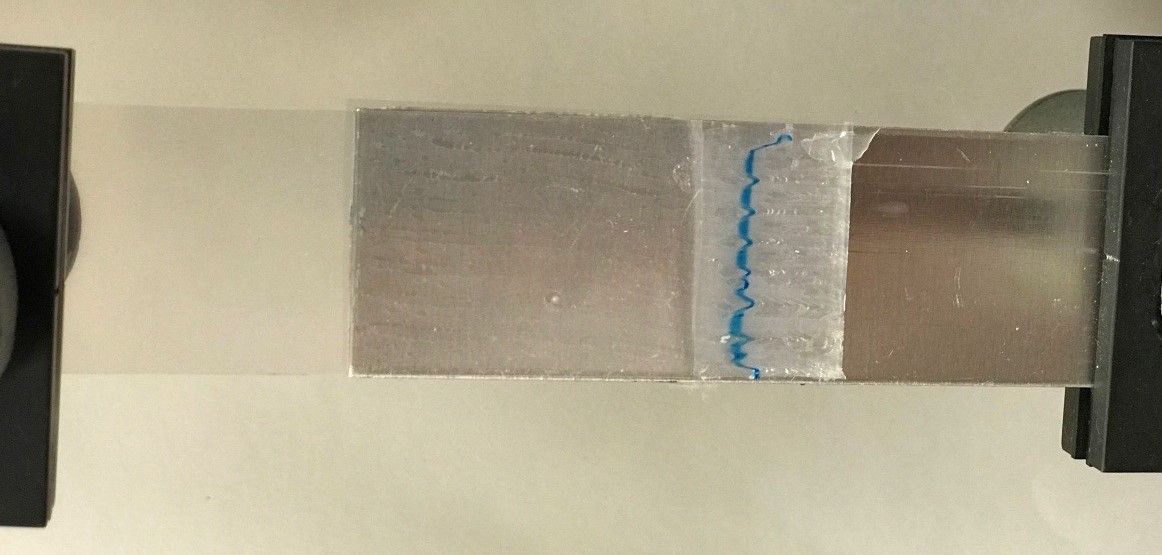
Yeda posted this:
Smart Resize of Images & VideosData storage of images and videos became a real issue in the last years when pictures and videos are taken and shared more often, and the memory devices aren’t being minimized fast enough. Prof. Michal Irani and her team have developed an algorithm that can resize images while keeping the important features without any undesired artifacts.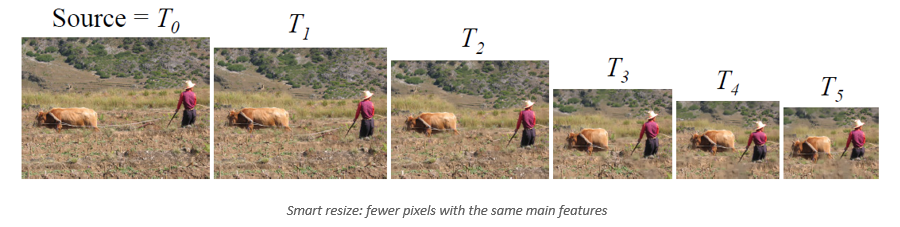
- University of Alberta, Technology Transfer ServicesUniversity of Alberta, Technology Transfer Services
University of Alberta, Technology Transfer Services posted this:
Smart Self-Centered Shear Wall (SSCSW) SystemImproves recovery of structures after removing the loads compared to current steel plate shear wall (SPSW). Potentially improves the lifespan of a building under various loading conditions, particularly earthquakes.
 Universidad de GranadaUniversidad de Granada
Universidad de Granada posted this:
Smart sensors based on QR codesA new visual code (QR, barcode, etc.) has been developed in which the information stored can vary dynamically depending on physicochemical parameters. This device has application in different sectors of analysis and storage of information (in medicine to offer rapid diagnoses, in the food industry to assess the status and quality of the product, for color calibration in printing, among others). Universidad de Alcalá-OTRIUniversidad de Alcalá-OTRI
Universidad de Alcalá-OTRI posted this:
Smart sensors for energy efficient citiesIn the context of transportation, innovative aspects come from the use of new sensors that provide richer information than current sensor technologies, as well as the novelty of the proposed applications. On the other hand, the automatic creation of thermal efficiency digital maps has not been proposed up to now. These maps will be very useful for local authorities to improve the energy efficiency of their local communities.
- Unismart - University of Padua FoundationUnismart - University of Padua Foundation
Unismart - University of Padua Foundation posted this:
Smart skin solar screen (system for the control of the amount of solar radiation hitting vertical surfaces)This patented structure, ideal in the temperate climate zone, uses aluminium panels, whose position is determined by real time temperature and illumination parameters. The panels slide along a vertical structure fixed parallel to the surface, in order to offer maximum shading or maximum folding when the screens are unnecessary.
 UNIVERSIDAD DE BURGOSUNIVERSIDAD DE BURGOS
UNIVERSIDAD DE BURGOS posted this:
Smart Tag to Determine the Quality of Packaged FishPolymeric material that responds colorimetrically to the presence of biogenic amines. The presence of biogenic amines is related to fish spoilage, becoming an indicator of freshness and quality for optimal consumption. The material developed is able to determine biogenic amines in solution and in gaseous phase.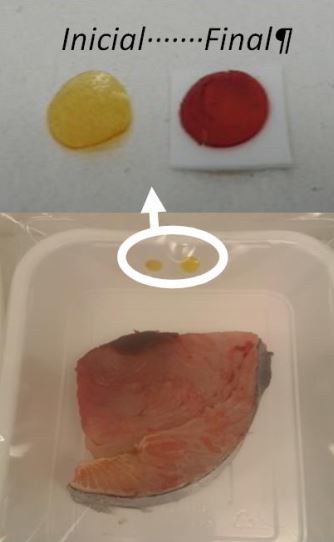
UNIVERSIDAD DE BURGOS posted this:
Smart Tag to Determine the Quality of Packaged FishPolymeric material that responds colorimetrically to the presence of biogenic amines. The presence of biogenic amines is related to fish spoilage, becoming an indicator of freshness and quality for optimal consumption. The material developed is able to determine biogenic amines in solution and in gaseous phase.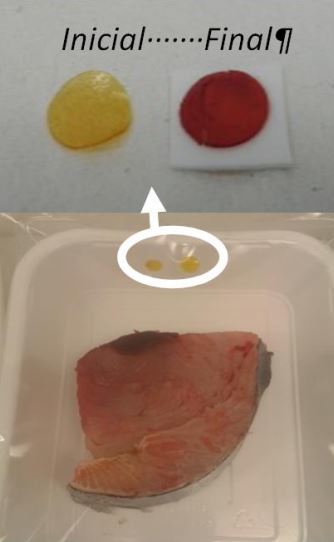
Fundació URV posted this:
Smart-LEZ : Secure and anonymous vehicle access control solution to traffic-restricted urban areas.The solution proposed uses innovative communication protocols for vehicles and cities: this is a safe and reliable easy-to-use access control system that guarantees user privacy. Our solution is simpler and more economical compared to other expensive systems based on indiscriminate use of video-cameras recording. This technology conciliates efficiency and privacy.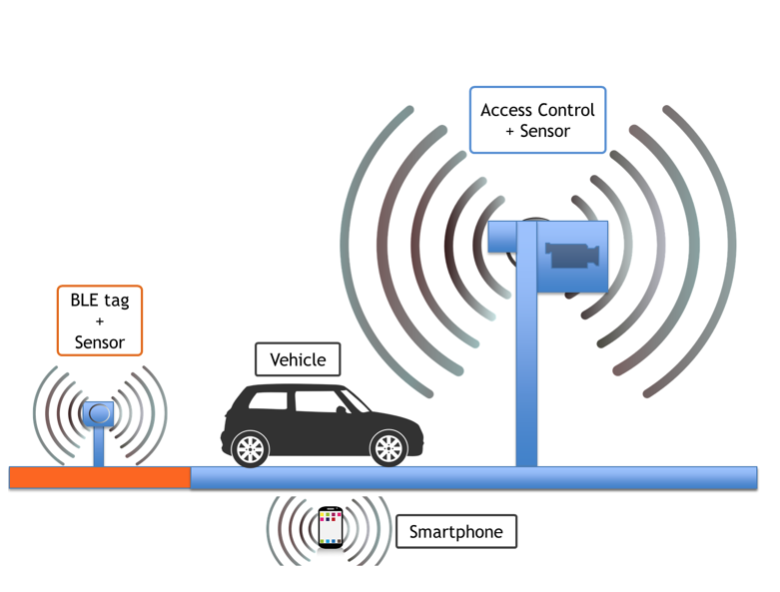
 UACOOPERA University of Aveirouacoopera
UACOOPERA University of Aveiro posted this:
SmartFloor - Low power and wireless system for indoor detection, localization and navigationWireless system for indoor detection, localization and navigation support of people or objects. The system is composed of a set of passive sensors integrated into the floor, which may be constituted by several materials, and does not require wired power feeding. The data collection and analysis modules communicate wirelessly.
Technology Transfer Office at uacoopera
Kurt Rudahl posted this:
Smartroad Tools - non-destructive sub-road/sub-rail inspectionRailways and highways form a major part of any nation's infrastructure. Their construction and maintenance are high priorities for any country. Together, they represent a 160 trillion dollar worldwide investment. Rail and road are essential to the economy, providing safe and convenient transportation for people and for industrial and agricultural goods. Heurika Geographics has developed an innovative technology to non-destructively monitor the integrity of this infrastructure. It is very lost cost compared to alternatives, so it can be used widely without much impact on construction costs.
CEO at Heurika Geographics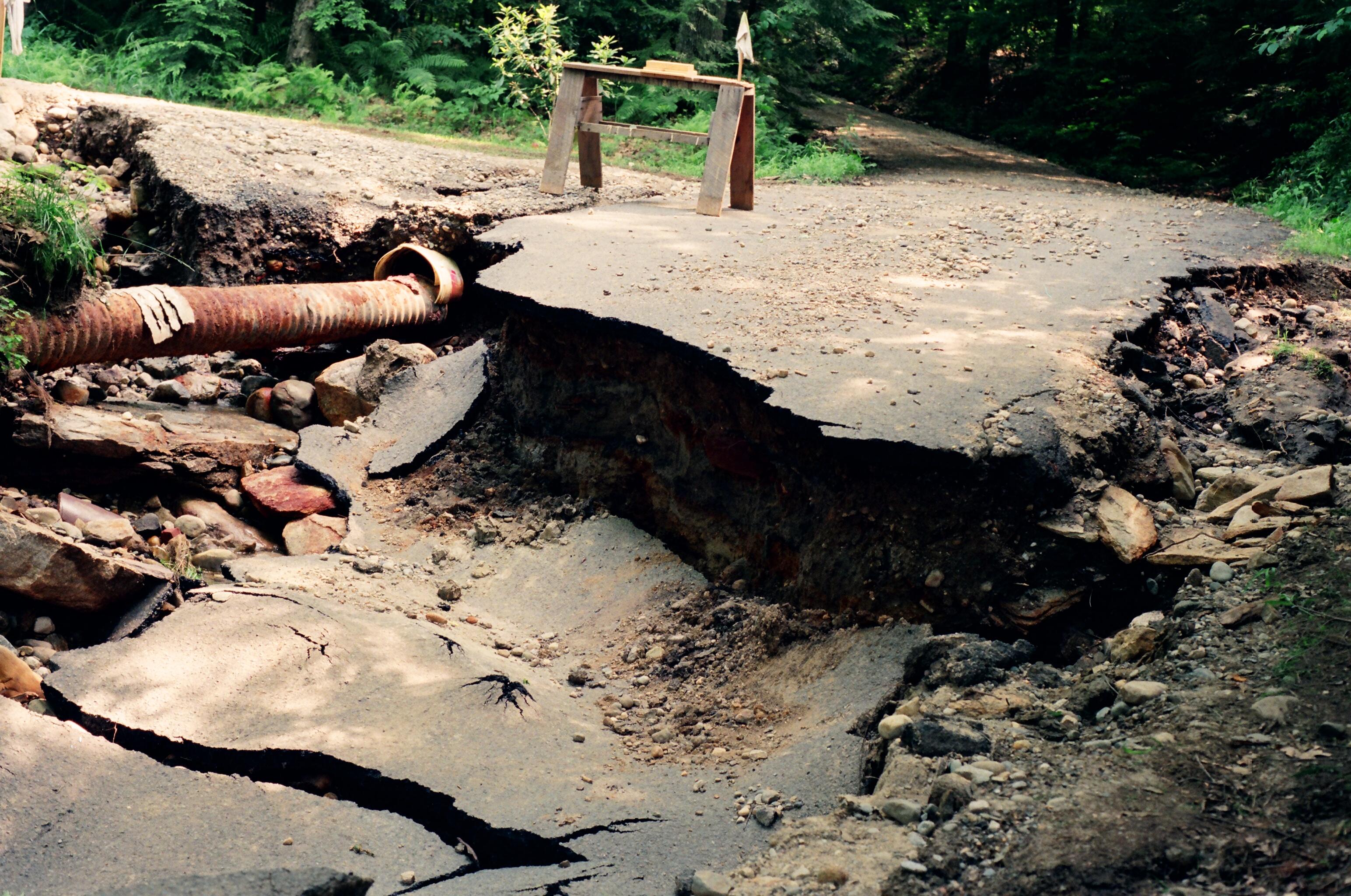
 Mahesh KulkarniPraj Industries Limited
Mahesh Kulkarni posted this:
Sodium Pyruvate an platform chemical for energy boosterSodium Pyruvate is biochemical used in nutrition and Healthcare industry. It is important intermediate for production of Perindopril and Levodopa. Novel Biotransformation process developed using yeast as biocatalyst. Fermentation and Downstream has been optimized from bench scale bioreactors upto10 liter pilot scale.
Assistant Vice President-Business Development at Praj Industries Limited- Universidad de Alcalá-OTRIUniversidad de Alcalá-OTRI
Universidad de Alcalá-OTRI posted this:
Soft Computing Techniques applied to the wind forecast on wind farmsThe novelty of these techniques is the enhancement on the performance over the previous ones that have been certified by several scientific publications in international journals. Among these enhancements we must remark the use of several meteorological models with the regression models simultaneously and new training methods for the regression systems.