Technology Offers Site map description
M
UNIVERSIDAD DE BURGOS posted this:
Method for measuring energy in dynamic probing equipmentsIn compliance with the UNE standards, the results of this kind of tests have to be corrected by means of energy efficiency. In order to calculate these corrections, a device was design by means of monitoring a steel bar and by a signal acquisition and conditioner equipment. In Spain, up to now, this is the only equipment available.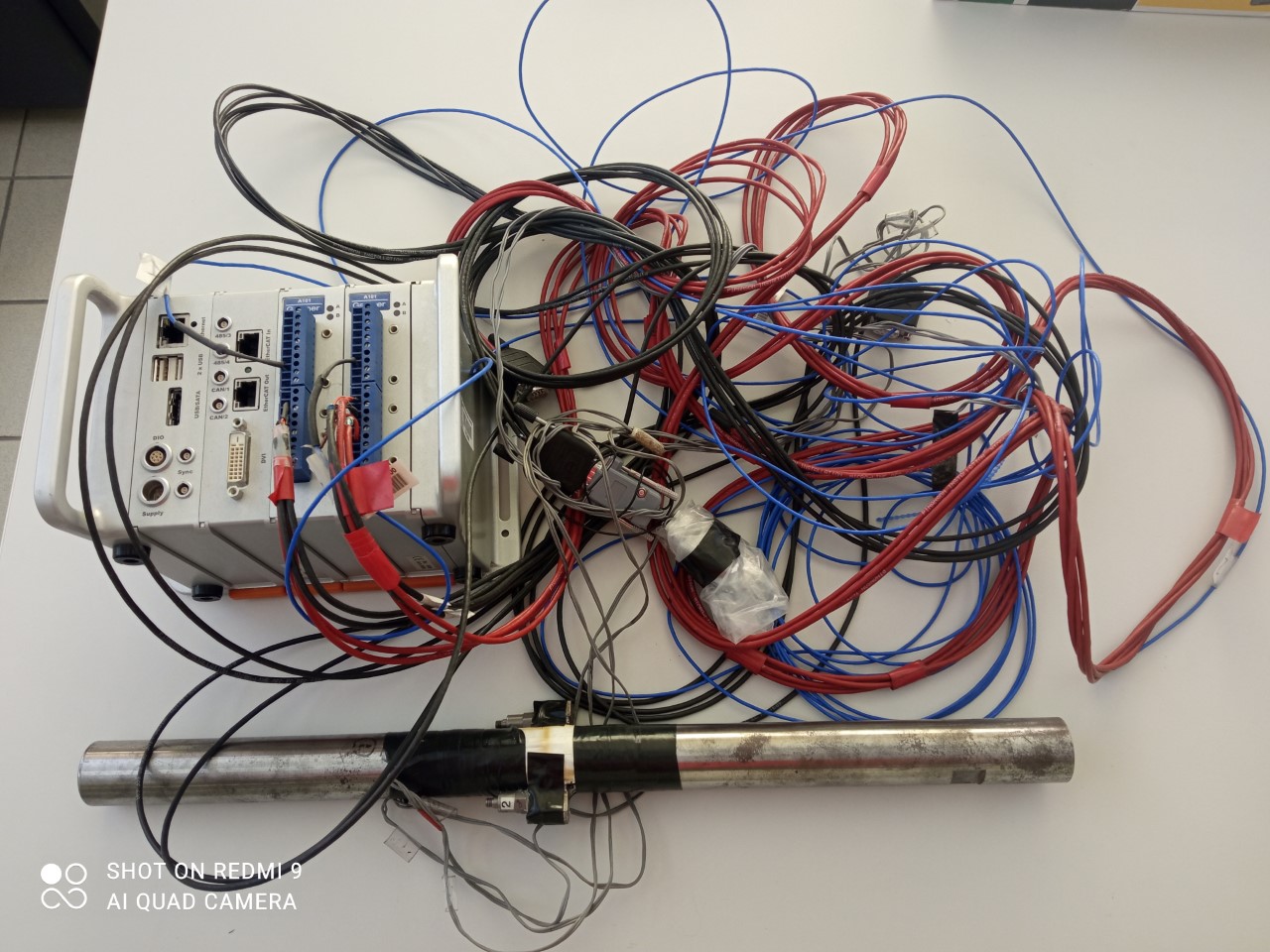
 Tech Transfer CIIMARCIIMAR - Interdisciplinary Centre of Marine and Environmental ResearchTech Transfer CIIMAR
Business Development Manager at CIIMAR - Interdisciplinary Centre of Marine and Environmental Research
View ProfileTech Transfer CIIMAR posted this:
Method for obtaining rich protein extracts from algaeThis technology relates to disrupting algae cell walls, in order to obtain protoplast with high nutrient digestibility for use as a food ingredient and/or as feed for farmed fish and shellfish species, which leads to the production of added value sea food items and to more sustainable and better performing food chains.
Business Development Manager at CIIMAR - Interdisciplinary Centre of Marine and Environmental Research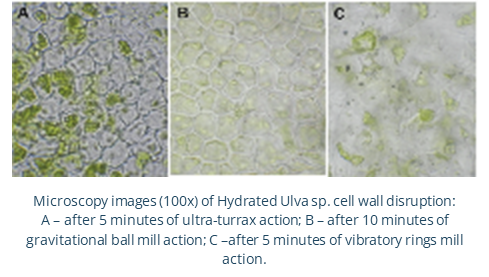
 Universitat Politècnica de Catalunya - UPCUniversitat Politècnica de Catalunya - UPC
Universitat Politècnica de Catalunya - UPC posted this:
Method for optimizing the transmitter power allocation in a communications systemA new method for optimizing the power allocation in a communications system that can be decomposed in multiple parallel channels have been developed and patented. The technology allows to optimize the transmission rate, power or energy efficiency of a communications system with very low complexity. Partners to further develop the system and/or to establish commercial agreements along with technical cooperation are sought. Sayali WaradUniversity of Alberta, Technology Transfer Services
Sayali Warad posted this:
METHOD FOR POST-FABRICATION TRIMMING OF SILICON PHOTONIC INTEGRATED CIRCUITS USING MULTI-SHOT LASER IRRADIATIONIt increases manufacturing yield and lowers production costs of Silicon Photonic Integrated Circuits. The technology helps to correct fabrication errors quickly and easily.
IP Market Analyst at University of Alberta, Technology Transfer Services
 CSIC - Consejo Superior de Investigaciones CientíficasCSIC - Consejo Superior de Investigaciones Científicas
CSIC - Consejo Superior de Investigaciones Científicas posted this:
Method for predicting sex in fish(IFREMER) and Institut National de la Recherche Agronomique (INRA), has developed a patent to determine the sex of fish through the levels of methylation of specific loci in the genome corresponding to genes related to gonadal sex differentiation. This methodology takes advantage of the sex-specific differences in DNA methylation in these specific loci. The method is useful for predicting sex in seabass, as well as in other similar species, but it could be applied to any vertebrate with the appropriate adaptations. An offer for Patent Licensing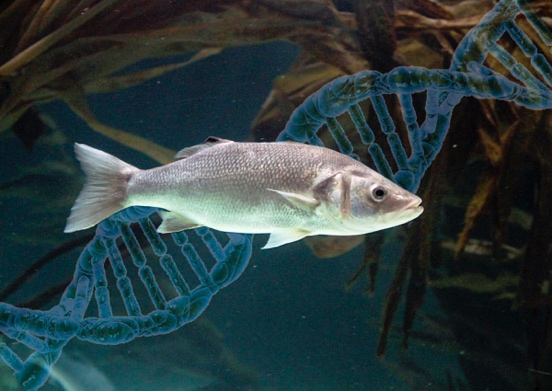
 Korea Institute of Energy ResearchKorea Institute of Energy Research
- Korea Institute of Energy ResearchKorea Institute of Energy Research
Korea Institute of Energy Research posted this:
Method for preparing anion binder for solid alkaline fuel cell and membrane-electrode assembly.Researchers at the Korea Institute of Energy Research (KIER) have developed an innovative method for preparing an anion binder for solid alkaline fuel cells and a membrane-electrode assembly. This technology particularly relates to a method of preparing an anionic binder in the form of nanosized powder after crosslinking. The prepared anomic binder exhibits enhanced durability to electrochemical reactions and enables the easy fabrication of electrodes. Universitat de València posted this:
Method for producing nanocorundumResearchers from Geology Department of University of Valencia have developed a novel method for producing corundum of low crystallinity (nanocorundum) using natural or synthetic commodities in solid state, without pre-treatment. The process of the invention makes it possible to obtain a product with a nanocrystalline nature, composed of tabular- or plate-shaped primary nanoparticles in porous microcrystalline aggregates, which facilitates the subsequent disaggregation process thereof into powders that have an immediate application as ultra-fine abrasives and as loads (or fillers) in plastics or other types of materials. This characteristic represents a significant advantage of the product of the invention, since compact corundum is a hard, difficult-to-grind material. Javier Montiel BonmatíUniversidad de Alicante
Javier Montiel Bonmatí posted this:
Method for quickly developing an architectural project by means of diagramsThe group of trial, simulation and modeling of structures (GRESMES) has drafted a method for developing an architectural project by means of Voronoi diagrams, which allows to quickly obtain different distribution possibilities of the uses in the space. The group is looking for companies interested in acquiring this technology for commercial exploitation.
Universidad de Alicante
 Universidad de AlicanteUniversidad de Alicante
Universidad de Alicante posted this:
Method for recycling of vessels and other structures composed of fiberglass and resinResearchers at the University of Alicante have developed a method to recycle composite fiberglass structures on a polymer matrix (resin). The process removes the polymer matrix, recovering glass fiber which can be reused. The process is not aggressive with fiberglass. It takes place at room temperature and is able to recover all the fiberglass used. The method is industrially scalable and can be automated. Fiberglass composites and resin are widely used in the construction of boat hulls, tanks, wind turbine blades and many other applications. This method is a very important innovation for the sector and there was no effective method that allowed recovering and reusing these materials.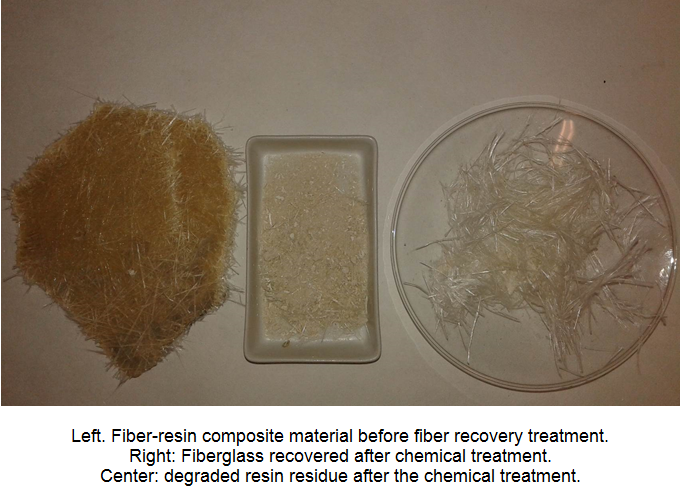
 Universidad Andres BelloUniversidad Andres Bello
University of Huelva posted this:
Method for the combined foaming/modification of bitumens for use in pavingThis patent describes a cost-effective foamed bitumen process to be applied for cold recycling of aged flexible road pavements. Additionally, the base bitumen used is in-situ modified during the process and, consequently, both low and high temperature properties result remarkably improved. Finally, waste gypsum and phosphogypsum are preferably used to form the foam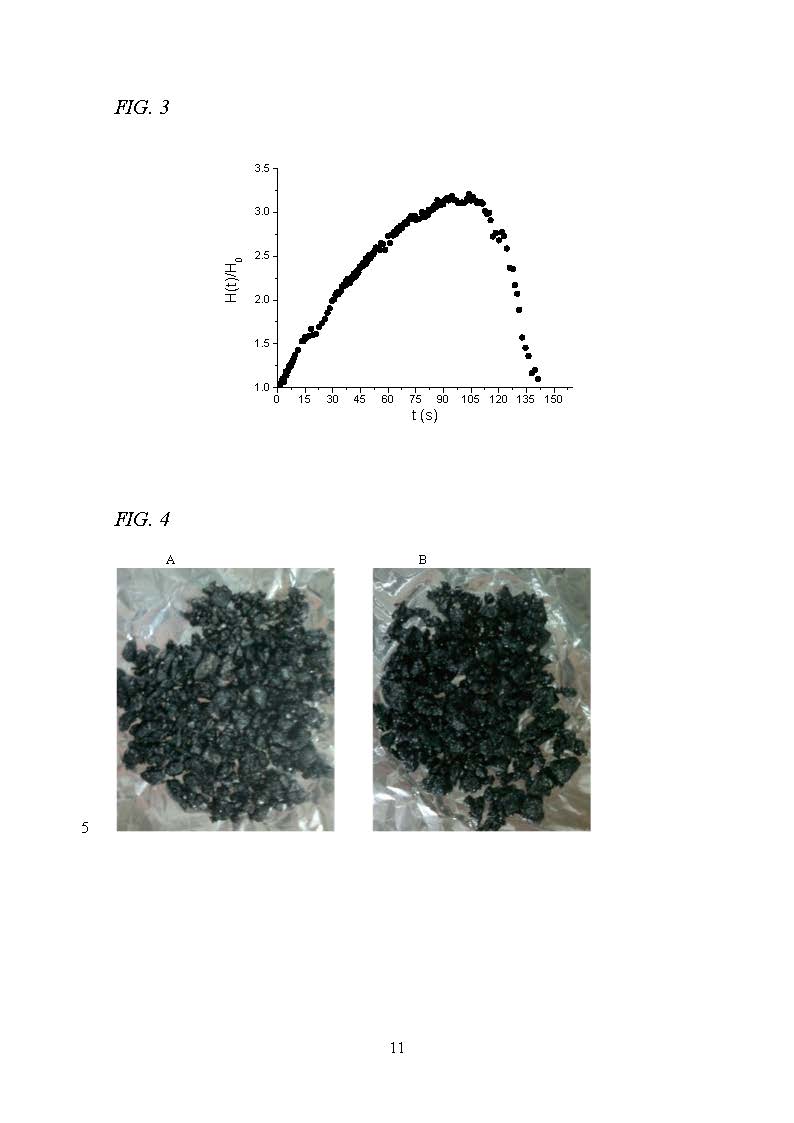
CINBIO posted this:
Method for the diagnosis of arthrosisArthrosis is a rheumatic pathology that damages articular cartilage. Is not hereditary, as there is no fixed hereditary pattern. Currently, the diagnosis is based on the evaluation of the symptoms and the physical examination of the patients by the physicians. Significant progress is being made in the study of the so-called biological markers of arthrosis. These are products released from the articular cartilage into the synovial fluid, the urine or the blood during the synthesis and destruction of the cartilage, which would allow for a better diagnosis and earlier intervention in the treatment of the disease. The present invention relates to a peptide pattern characteristic of subjects who suffer from arthrosis and it also relates to an in vitro diagnostic method and the use of a kit.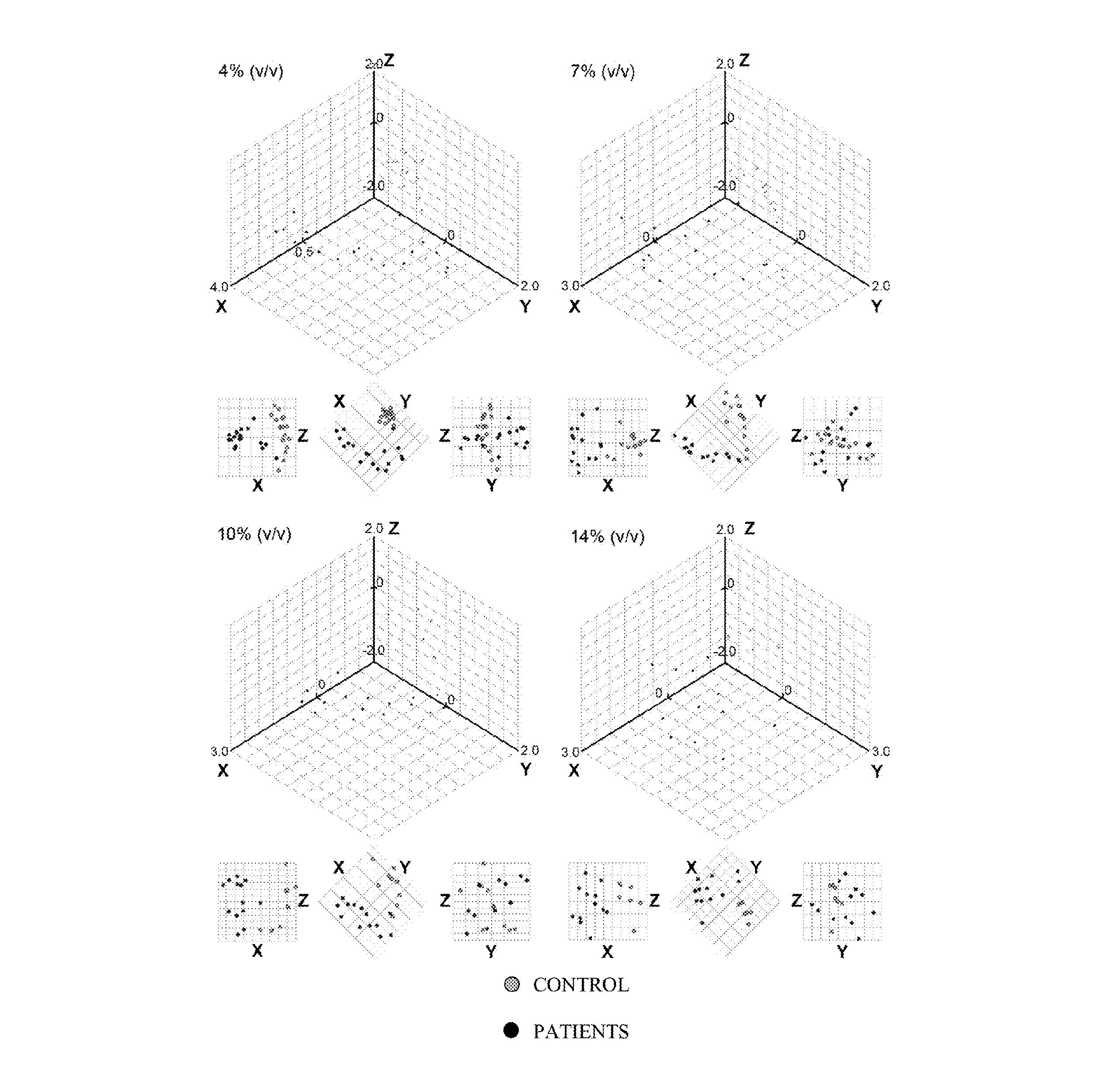
- CSIC - Consejo Superior de Investigaciones CientíficasCSIC - Consejo Superior de Investigaciones Científicas
CSIC - Consejo Superior de Investigaciones Científicas posted this:
Method for the diagnosis of thyroid cancer based on epigenetic biomarkersMethod for the diagnosis of thyroid cancer based on epigenetic biomarkers CSIC and FINBA have developed a low-cost method with high effectiveness for the diagnosis and prognosis of thyroid cancer that are difficult to resolve during preoperative evaluation. This methodology provides a malignancy score measuring the methylation level of various CpG sites determined by a machine learning-based classification system. Industrial partners from the health industry are being sought to collaborate through a patent licence agreement. An offer for Patent Licensing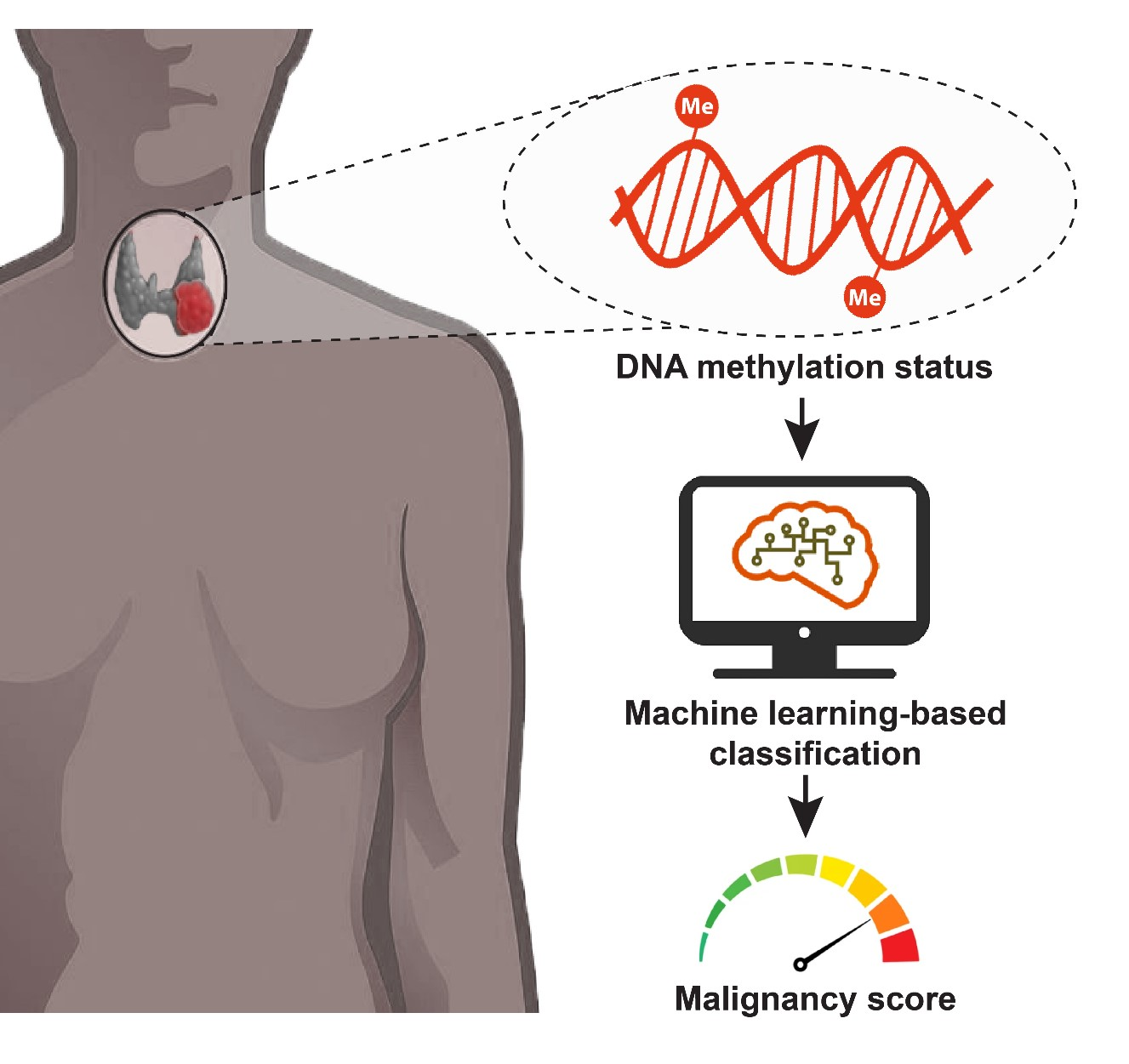
- CSIC - Consejo Superior de Investigaciones CientíficasCSIC - Consejo Superior de Investigaciones Científicas
CSIC - Consejo Superior de Investigaciones Científicas posted this:
Method for the manufacture of nanostructured metal coatingsCSIC and the University of Oporto have developed a method that combines lithographic printing techniques, aluminium anodizing for the manufacture of highly ordered nanoporous alumina templates and metal sputtering by which metal nanostructures with the same ordering pattern are obtained. These nanostructures can be used in different magnetic and nanoelectronic devices. Industrial partners from the nanotechnology are being sought to collaborate through a patent licence agreement. An offer for Patent Licensing
uacoopera posted this:
Method for the measurement of the light response of chlorophyll a fluorescenceThis invention presents the following advantages relatively to existing technologies: •it allows the evaluation of the photosynthetic performance and the physiological state of photosynthetic organisms •the measurement of light-response curves of chlorophyll a fluorescence made of non-sequential and independent measurements •very fast light curve generation •possibility to define and control with a high degree of flexibility the range of light intensity and color applied to the samples.UNIVERSIDAD DE BURGOS posted this:
Method for the optimization of large structural elements.New structural concepts that are cheaper than those currently used, being able to make estimates of the residual mechanical capacity and of the useful life with elements on a 1:1 scale. This is possible both to the facilities and to the equipment that is available.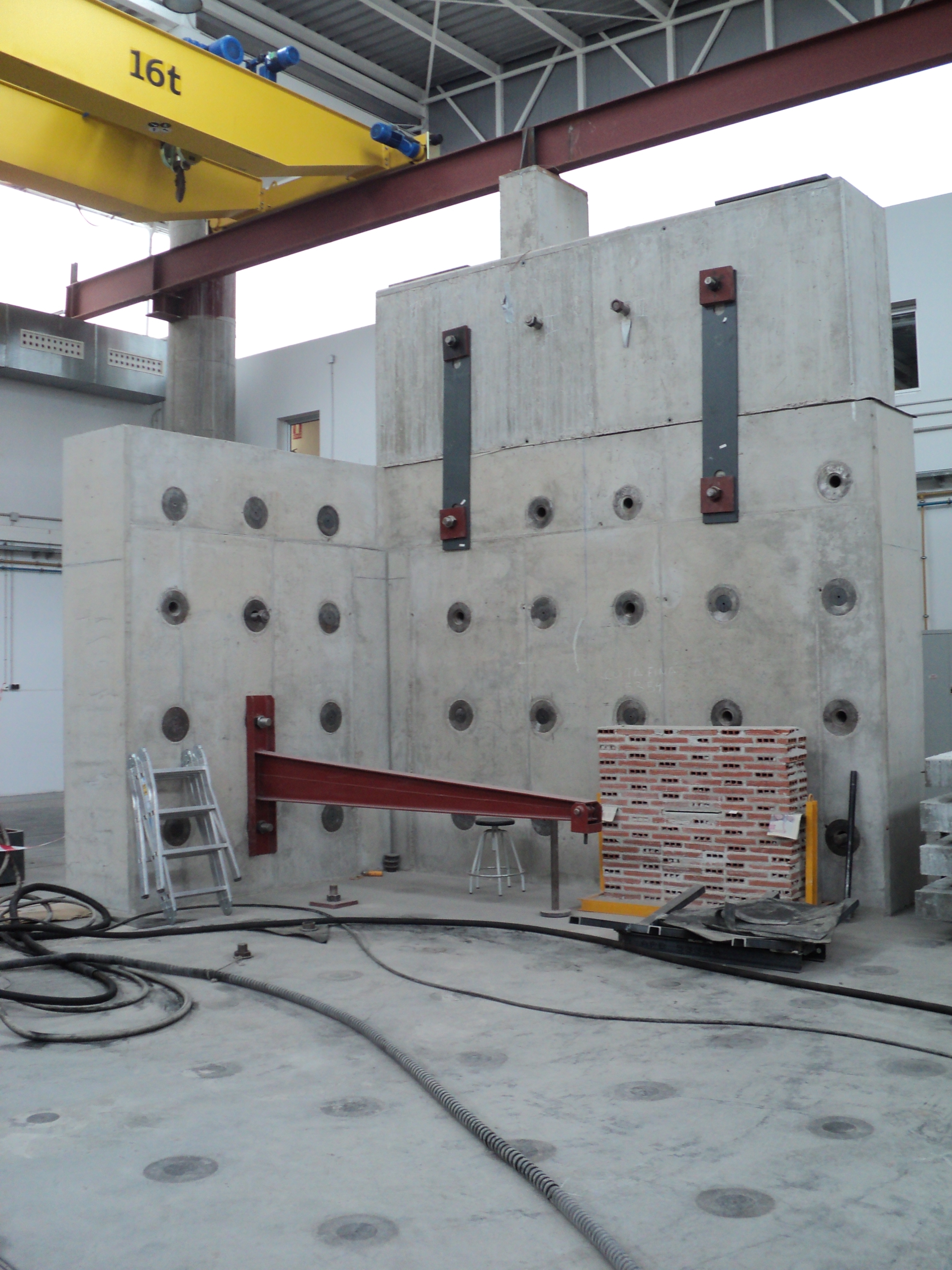
 OTRI-Universidad de MálagaUniversidad de Málaga
OTRI-Universidad de Málaga posted this:
METHOD FOR THE PREDICTION OR PROGNOSIS OF DEVELOPING RHEUMATOID ARTHRITISThis invention is developed by the University of Málaga (UMA) in collaboration with Andalusian Public Health System and CIBER. Method that allows differentiating the degree of activity and severity of rheumatioid arthritis, in order to predict the prognosis of patients who suffer from it.
Technology Transfer Office (TTO) at Universidad de Málaga Institute of Chemical Research of CataloniaInstitute of Chemical Research of Catalonia
Institute of Chemical Research of Catalonia posted this:
Method for the preparation of linear polyacenes and building blocks of organic electronic components.A new synthetic method to access precursors of linear polyacenes has been developed. The method allows for the preparation of hydrogenated polyacenes which are readily converted into the corresponding polyacene. Prepared materials are useful starting materials in the preparation of organic field effect transistors (OFETs), used in organic electronics. The method paves the way to the preparation of more efficient OFET components.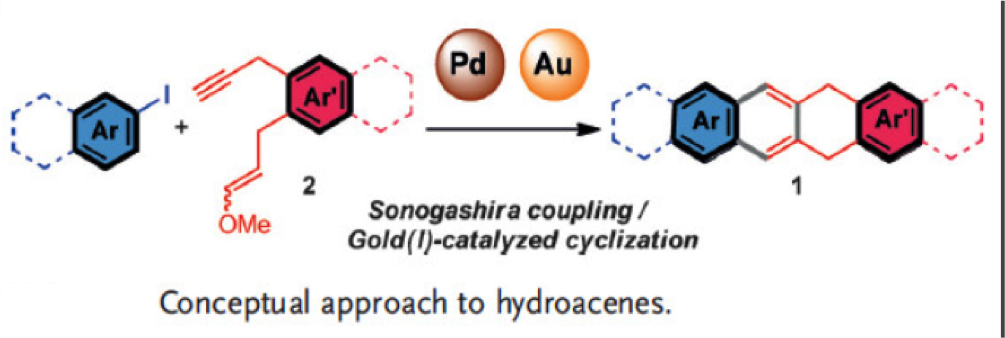
University of Vigo posted this:
Method for the sequential immunochemical evaluation on a same biological sample of NCAM (Neural Cell Adhesion Molecule) protein and its PolySialic Acid (PSA) tail, by western blot coupled to chemiluminiscence detection.The method optimizes the expression assays of PSA-NCAM isoforms in biological samples available in small quantities or restricted (as is the case of human specimens, for example). It improves quantitative and qualitative performance of PSA-NCAM analysis by western blot.- Beata StrachJagiellonian University
Beata Strach posted this:
Method for thiolation and covalent conjugation of target proteinThe subject of the offer is a new technology using the thiocarboxylated Urm1 or any other thiocarboxylated protein for persulfidation/thiolation of target proteins that are prone to oxidation, as well as to covalently conjugate to proteins.
Technology Transfer Officer at Jagiellonian University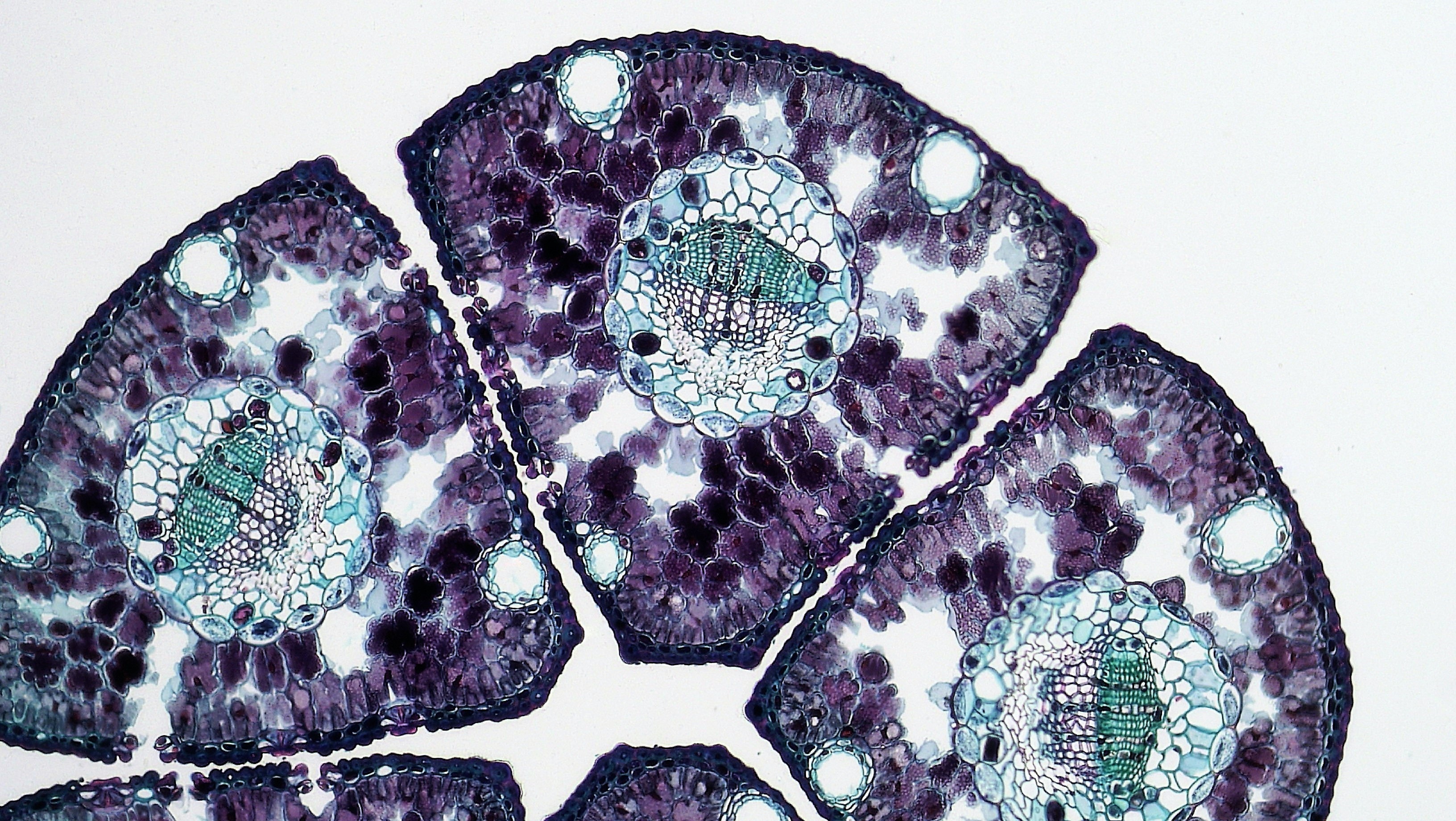
 University of Granada (OTRI)University of Granada (OTRI)
University of Granada (OTRI) posted this:
Method for treating and obtaining sub-products from residues proceeding from olive millsUGR has developed a procedure for treating residues from olive mills allowing to obtain sub-products with high added value for industry, through the use of clean technologies, without addition of external solvents or other agents during the process avoiding to generate additional residues. Along with residues treatment, the revalorization of effluents is achieved as a potential and profitable source of high-value antioxidants in the market and agro-food, cosmetic, pharmaceutical and biotechnological industries.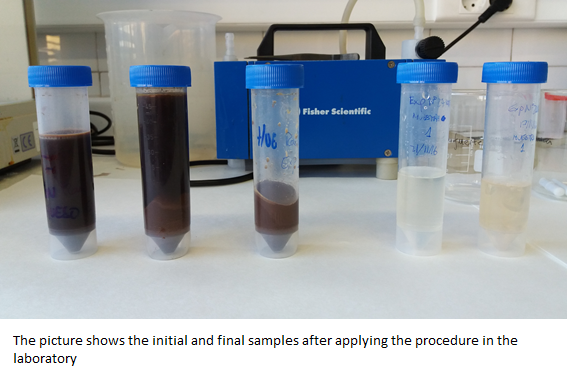
 Universidad de Alcalá-OTRIUniversidad de Alcalá-OTRI
Universidad de Alcalá-OTRI posted this:
Method of diagnosis of non-invasive renal failure and prior to symptoms and functional disordersThe Renal Nephropathy research group at the University of Alcalá presents a method of diagnosis of Renal Insufficiency (RI), in all varieties of the disease, that determines the amount of protein related to parathyroid hormone (PTHrP) present in a sample of urine, comparing said amount with at least one reference value and diagnosing RI from said comparison. The research group seeks companies from the diagnostic medicine, biomedicine or pharmacy sector to establish licensing agreements, collaboration agreements or commercial agreements with technical assistance.- Korea Institute of Energy ResearchKorea Institute of Energy Research
 Vilnius UniversityVilnius University
Vilnius University posted this:
Method of fast spectral analysis of cancerous tissuesThe present technology allows to rapidly determine if the tissue under investigation is healthy or cancerous. No special preparation of samples is needed. Analysis can be done directly in the operating room during a surgical intervention (in vivo).- Korea Institute of Energy ResearchKorea Institute of Energy Research
UNIVERSIDAD DE BURGOS posted this:
Method of preparation and use of derivatives of perylene-diimide (PDI) in different applications such as bioimaging or biomarkers.The present invention provides a methodology for the synthesis of derivatives of perylene-diimide (PDI, for which there was no obtention process, and its use in different applications such as bioimaging or biomarkers.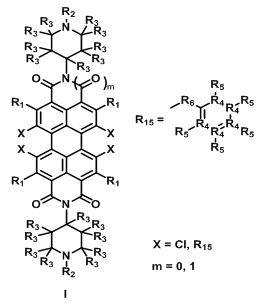
 Cracow University of TechnologyCracow University of Technology
Cracow University of Technology posted this:
Method of preparation of oxide catalystThe invention relates to an innovative method of obtaining a chromium/ZrO2 catalyst using an ultrasonic field in its synthesis. The catalyst is designed to VOC combustion (especially methane, contained in waste gases). The main advantages of the chrome-containing catalyst obtained by sonication method are its high thermal stability, lower diffusion limits and lower costs compared to palladium catalyst.- Universitat Politècnica de Catalunya - UPCUniversitat Politècnica de Catalunya - UPC
Universitat Politècnica de Catalunya - UPC posted this:
Method to code the signal amplitude by folding and auxiliary information labelsA simple technique improves the power budget of cost-effective optical analog and OFDM systems by transmitting the signal absolute value and adding a label with the sample sign or region.