Technology Offers Site map description
M
Alexander Adamov posted this:
Medical Imagery Dataset — Dermatology, Ophthalmology, and Dental Clinical Photography for AI TrainingREMI Data provides licensed medical imagery datasets for AI/ML model development. Available modalities include dermatological photography (skin lesions, nail pathology), ophthalmological imaging, and dental intraoral photography. All images are high-resolution, consent-verified, deidentified, and commercially licensed. Custom annotation schemas available — bounding boxes, segmentation masks, classification labels. Scalable collection from licensed healthcare facilities. Ideal for: skin cancer detection AI, nail health screening, retinal analysis, and clinical triage systems.
CEO at REMI DataUniversity of Porto posted this:
Melanostatin azapeptides for the treatment of dopamine-related disordersThis invention concerns an improved synthetic methodology for the preparation of two cyclic aza-amino acid derivates and a new efficient protocol for the application of these compounds for the assembly of melanostatin-based azapeptides. The new azapeptides possess potent pharmacological activity as positive allosteric modulators (PAM) of the dopamine D₂ receptors at nanomolar concentrations, making them applicable in dopamine-related disorders, such as Parkinson's disease.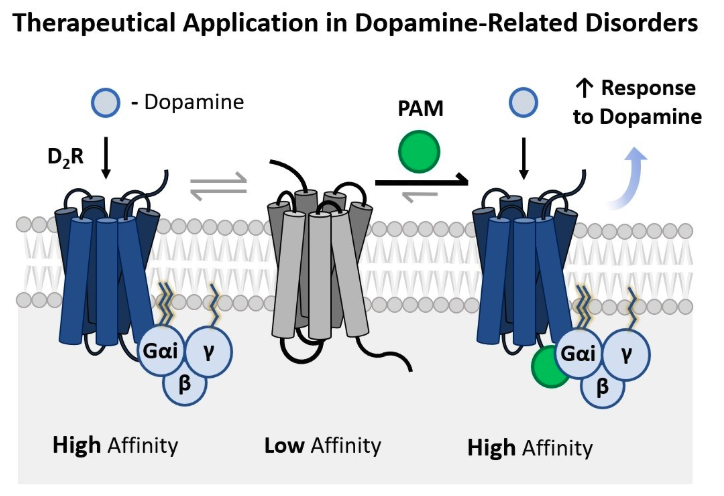
IMDEA Water Institute posted this:
Membrane technology and Transformation of disposed reverse osmosis membranes into recycled membranesMembrane technology is the generic term used for any separation process in which membranes are employed. A membrane can be defined as a physical barrier separating two phases and allowing a selective transition of compounds from one phase to the other. The part that goes through the membrane is the permeate and the part that is rejected by the membrane is the retentate (Figure 1, Membrane technology separation scheme). Membrane technology can be applied for purposes such as: • Water purification: undesired impurities are removed from the solution. For example: soft water production by removal of calcium and magnesium cations • Concentration: required components are present at a low concentration and the solvent is removed. For example: concentrating fruit juice by removing water • Fractionation: a mixture must be separated into two or more desired components. For example: milk fractionation in the dairy industry Membranes can be classified depending on the compounds that membranes are able to separate (Figure 2, pressure driven membranes).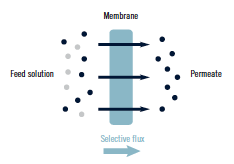
 Georgetown UniversityGeorgetown University
Georgetown University posted this:
Metabolic Biomarkers for Cognitive Ability- Metabolic biomarkers for cognitive ability enables accurate identification of individuals at risk of memory impairment by analyzing metabolite levels in blood samples - By detecting subtle changes in metabolite profiles, this technology provides opportunities for early intervention and personalized treatment plans to mitigate cognitive decline - Unlike traditional cognitive assessments, metabolic biomarkers for cognitive ability offer a minimally invasive and cost-effective method for assessing cognitive health, making it accessible to a broader population
- Georgetown UniversityGeorgetown University
Georgetown University posted this:
Metabolic Biomarkers for Early Detection of Memory Impairment RiskThis invention provides a method for determining a subject's risk of memory impairment by analyzing plasma metabolite profiles. It involves comparing the subject's metabolite concentrations to normal values at multiple time points. Changes in specific metabolite levels indicate an increased risk of memory impairment, allowing for early intervention and treatment. This non-invasive blood test offers a potential screening tool for preclinical stages of cognitive decline.
 Universidad de Alcalá-OTRIUniversidad de Alcalá-OTRI
Universidad de Alcalá-OTRI posted this:
Metal nanoparticles stabilized with carbosilane dendrons for the treatment of infectious diseases and cancer.The research group in “Dendrimers for biomedical applications” of the University of Alcalá, in collaboration with researchers form the Foundation for Biomedical Research of Gregorio Marañón Hospital in Madrid, present the first example of dendronization of metallic nanoparticles with dendritic systems of ionic carbosilane nature. Also the present invention relates to the method of obtaining these nanoparticles and the use of the mentioned compounds for the treatment of infectious diseases or cancer. The researchers seek for collaboration agreements, licensing or commercial agreements with technical assistance, with companies or institutions from the biomedical sector. Laser Consult Ltd.Laser Consult Ltd.
Laser Consult Ltd. posted this:
Metal staircases for home and industrial purposesThe product is revolutionizing the design and quality of our professional industrial staircases. They have developed a solution, which makes it accessible to anybody to be able to safely install a durable, lasting, functional metal staircase without the need of an expert.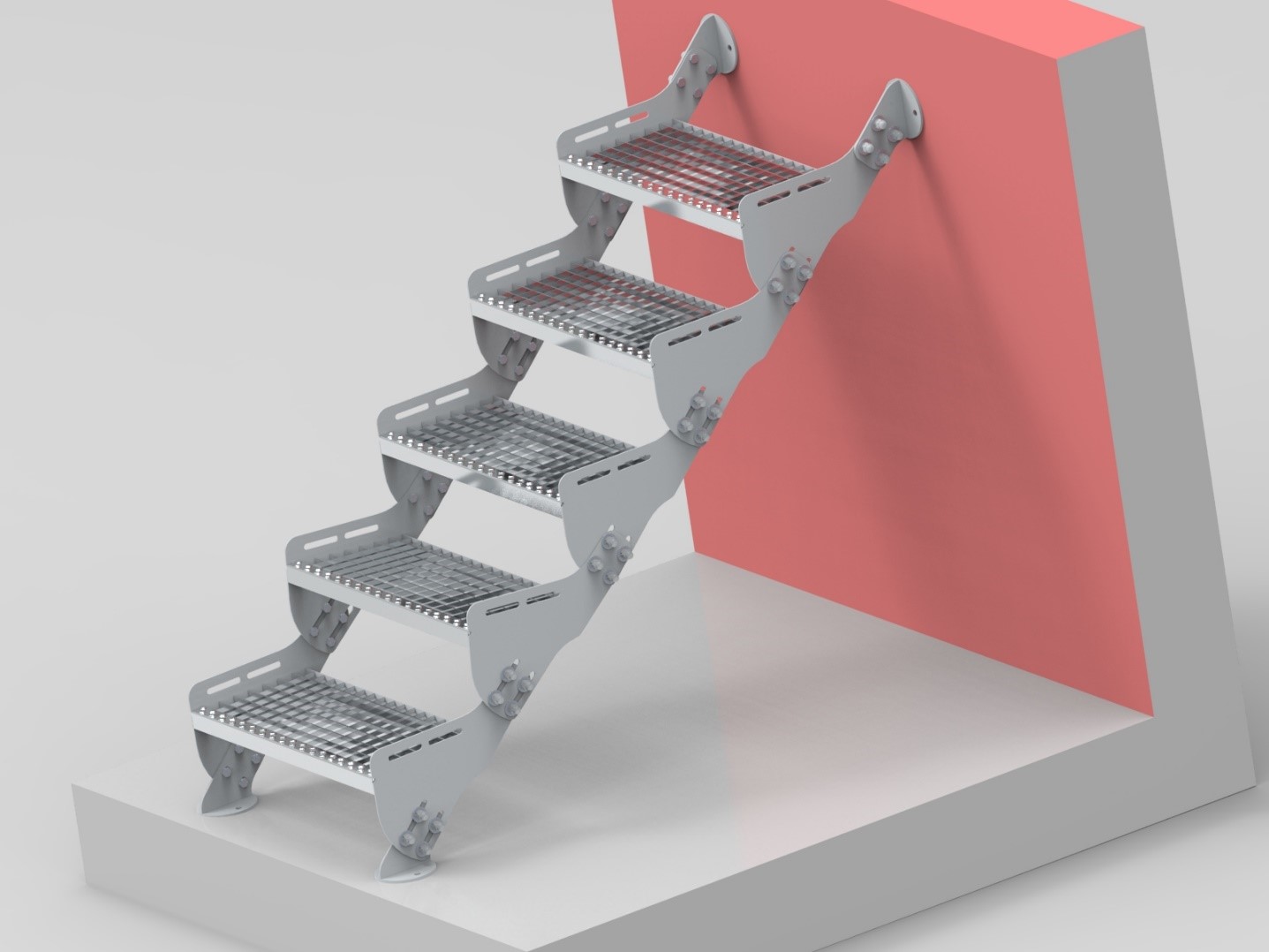
 Jerzy MorgielInstitute of Metallurgy and Materials Science, Polish Academy of SciencesJerzy Morgiel
Scientist at Institute of Metallurgy and Materials Science, Polish Academy of Sciences
View ProfileJerzy Morgiel posted this:
Metal-ceramic composites and nanocomposites for aerospace and automotive industry (POIG.01.03.01-14-013/08)Nanocrystalline alloy (Ni-Mo, Ni-W) and composite (Ni-Mo/Al2O3, Ni-Mo/Al2O3) coatings Metallic alloys of Ni-Mo and Ni-W were deposited from solutions containing sodium molybdate (Na2MoO4) or sodium tungstate (Na2WO4), and nickel sulphate (NiSO4), as the source of Mo(VI), W(VI) and Ni(II) ions, respectively. As the complexing agent citrate ions (C6H5O73-) were used, introduced into solutions in the form of sodium citrate (Na3C6H5O7). In the bath for Ni-W coatings electrodeposition, sodium chloride (NaCl) and ammonium chloride (NH4Cl) were additionally added as factors increasing the conductivity of the solution. The pH of the electrolyte solution was adjusted with the appropriate amount of H2SO4 or NH4OH.
Scientist at Institute of Metallurgy and Materials Science, Polish Academy of SciencesUniversity of Porto posted this:
Metal-modified cork biochar for phosphorus adsorptionThe present application describes a metal-modified cork biochar obtained from biomass pyrolysis under an inert atmosphere, aiming for phosphorus or phosphate adsorption. The biochar is modified through the use of a metal which allows the increase in its affinity towards phosphorus/phosphate, leading to a high adsorption capacity. In this sense, this product answers to the lack of existing sustainable biochars, as cork is a renewable raw material, able to efficiently recover phosphorus/phosphate from aqueous media. The described biochar can be employed as a phosphorus/phosphate adsorbent for wastewater treatment that, after application, finds utility as a fertilizer regarding soil remediation.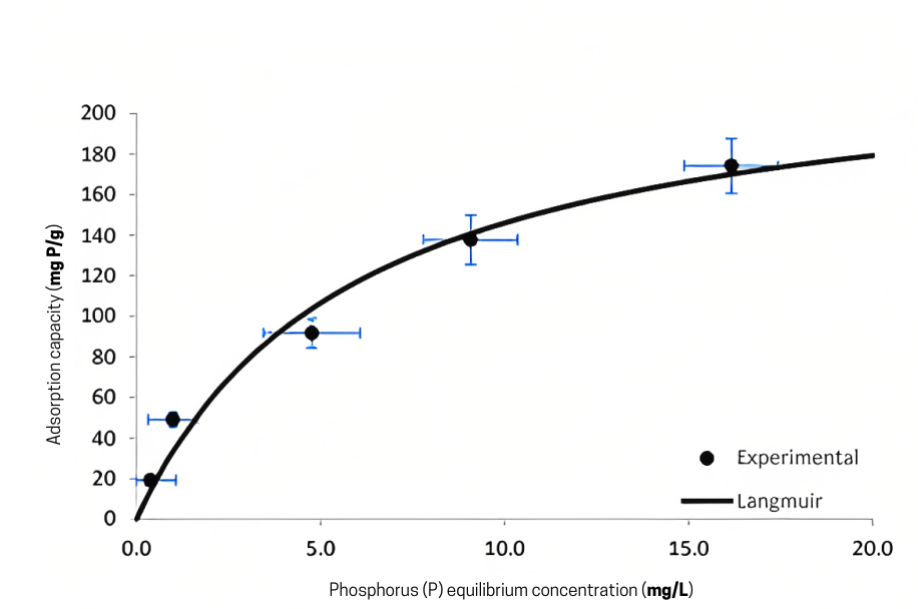
 CSIC - Consejo Superior de Investigaciones CientíficasCSIC - Consejo Superior de Investigaciones Científicas
CSIC - Consejo Superior de Investigaciones Científicas posted this:
Metallic Catalysts for the Preferential Activation of Ammonia Over OtherAmines CSIC and the University of Zaragoza have developed a new, more economic, more sustainable and more effective methodology that allows obtaining nitrogen molecules using ammonia as raw material. Industrial partners are being sought to collaborate through a patent licence agreement.
 David Guerrero MartosUniversidad de Sevilla
David Guerrero Martos posted this:
method and apparatus for computing trigonometric functionsThe computation of the sine and cosine functions is required in devices ranging from application specific signal processors to general purpose floating point units. Even in the latter case, the required functionality can be reduced to computing the sine and/or cosine of multiples of a constant angle. The latency of a sine/cosine generator can be reduced by using look-up tables. However, a direct implementation with look-up tables may be unfeasible if the input space is huge. In such a case, look-up tables with a number of entries lower than the size of the input space can be used indirectly. In previously published methods, the reduction in the number of table entries is obtained at the expense of increasing the table width and the computational cost. The proposed invention makes it possible to reduce the size of the look-up tables as well as the required multiplications so it is suitable even if the input space is huge. It has been used to implement several twiddle factor generators and has enabled the number of hardware DSP blocks required to be reduced by between 25% and 44% respect to previous table based techniques. Also, these implementations are about 50% faster than those based on Volder's algorithm.
Professor / PhD. at Universidad de SevillaUniversity of Szeged posted this:
Method and apparatus for monitoring a spark discharge particle generatorThe present invention provides an apparatus and method for optimizing and stabilizing nanoparticle production in an industrial environment, as well as in the simultaneous operation and monitoring of several, possibly different types of spark discharge generators. In this way, nanoparticle production can be cost-effectively „parallelized” and scaled up.
PhotonDelta posted this:
Method and arrangement for microwave signals transmission through a multimode fiberThe invention provides a solution for the direct transportation of analog electrical signals, in particular radio signals, via a multi-mode optical fiber, so that it will be possible to transmit the transferred radio signal without any further signal processing at the base stations. Especially if a large number of base stations are used, as in the case of wireless networks as explained in the foregoing, it will be advantageous to keep the base stations as simple as possible. Not only does this provide a direct financial benefit as regards the cost of the base station itself, but it also enables a considerable saving on maintenance and repair costs of the network.- CSIC - Consejo Superior de Investigaciones CientíficasCSIC - Consejo Superior de Investigaciones Científicas
CSIC - Consejo Superior de Investigaciones Científicas posted this:
Method and device for a Physical Unclonable Function based on RTNMethod and device for a Physical Unclonable Function based on RTN CSIC and the University of Seville have developed a method and device for a Physical Unclonable function (PUF) whose source of entropy comes from a phenomenon known as Random Telegraph Noise (RTN). This phenomenon offers a critical advantage that few other entropy sources do: immunity to the degradation of the PUF performance that comes from circuit aging. To do so, the present invention uses a clever solution, in the form of a special metric, to capture, in a comprehensive manner, the amount of RTN present in a transistor. This new metric allows extracting entropy from just a couple of CMOS transistors, thus contributing to a considerable reduction of the required silicon area. Industrial are sought to collaborate through a patent licence agreement. An offer for Patent Licensing
- CSIC - Consejo Superior de Investigaciones CientíficasCSIC - Consejo Superior de Investigaciones Científicas
CSIC - Consejo Superior de Investigaciones Científicas posted this:
Method and device for generating true random numbersMethod and device for generating true random numbers CSIC and the University of Seville have developed a method and device for generating true random numbers from Static Random Access Memory (SRAM) cells of any power-up bias, i.e., regardless of whether the cell has a greater or lesser tendency towards one of the logical power-up values. In contrast to the conventional power-up method, which is only able to generate True Random Numbers from a very limited portion of the total number of cells in an SRAM, this new method is based on the Data Retention Voltage metric, which provides the ability to extract randomness from any SRAM cell. Industrial partners are sought to collaborate through a patent license agreement. An offer for Patent Licensing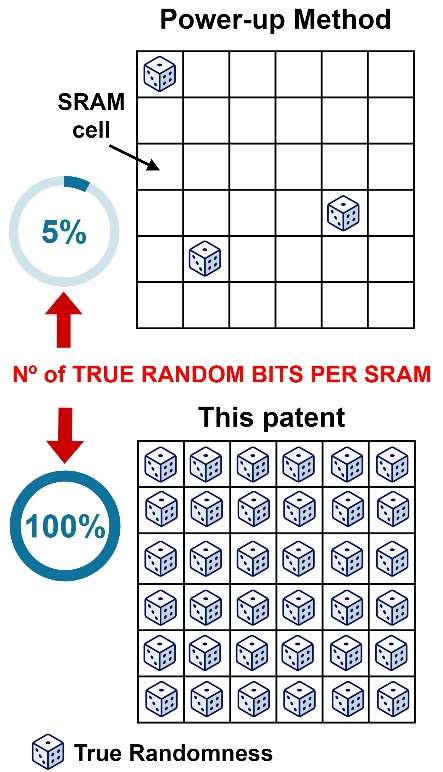
 Universidad de AlicanteUniversidad de Alicante
Universidad de Alicante posted this:
Method and equipment for the determination of isobaric vapour-liquid-liquid equilibrium dataThe University of Alicante has developed a method to transform the dynamic instruments for the determination of vapor-liquid equilibrium data into useful equipment for the determination of isobaric vapor-liquid-liquid equilibrium data by the application of ultrasound. Commercial equipment for homogeneous systems can be used for heterogeneous systems with this technique. Partners are sought to acquire the know-how and the patent rights.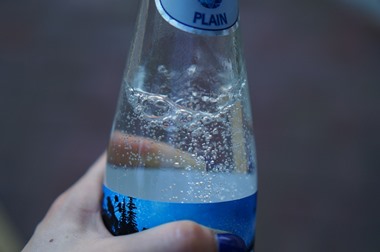
- Universidad de Alcalá-OTRIUniversidad de Alcalá-OTRI
Universidad de Alcalá-OTRI posted this:
Method and Sensor system for the detection of trains’ axles using fiber optics and time of flight cameras.GEINTRA is a Spanish research group from the Department of Electronics of the University of Alcala. The group has developed a method and a sensor system for the detection and counting of the train’s axles. This sensor may be used to verify the integrity and speed of the railway convoys. This method and sensor system is characterized by its high auscultation speed. With this solution the measurements are made without physical contact with any element of the train, it has total immunity to electromagnetic interference (absence of electronics in the pathway) and to the sensor vibration. The group seeks railway related companies to achieve licensing agreements with technical collaborations and commercial agreements.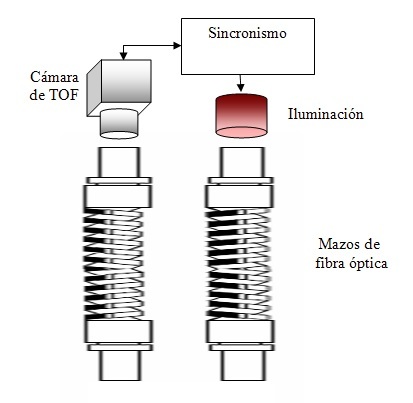
 Universitat Politècnica de Catalunya - UPCUniversitat Politècnica de Catalunya - UPC
Universitat Politècnica de Catalunya - UPC posted this:
Method and system for correcting errors in satellite positioning systems and computer program products thereofAn innovative approach to improve the performance of tablet and smartphone embedded GNSS positioning services. Partners to develop the system and/or to establish commercial agreements along with technical cooperation are sought.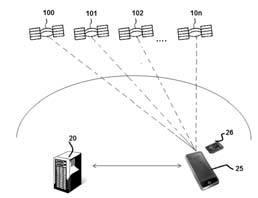
- Universidad de Alcalá-OTRIUniversidad de Alcalá-OTRI
Universidad de Alcalá-OTRI posted this:
Method and system to improve the ASFA Digital system incorporating virtual ASFA beaconsGeintra Spanish research group from the Department of Electronics of Alcala University has developed a process and system to improve the performance of ASFA Digital system, through the inclusion of virtual ASFA beacons, which replace or supplement the information of the physical ASFA beacons. The virtual beacons allow monitoring temporary speed restrictions even in the absence of physical ASFA beacons. The group is looking for companies in the railway sector to reach licensing agreements or collaboration and commercial agreements for technical assistance.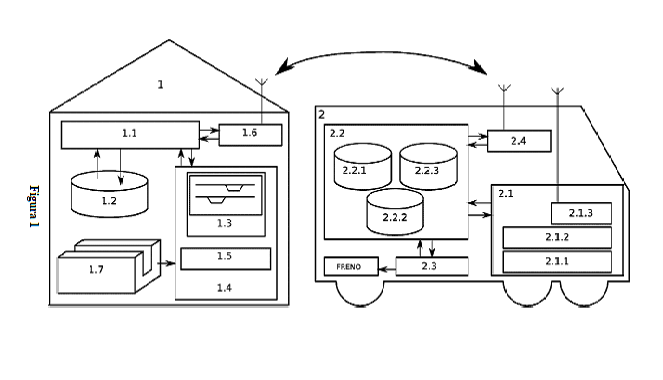
 Universitat de LleidaUniversitat de Lleida
Universitat de Lleida posted this:
Method based on a nutritional intervention to fight coccidiosisWe seek industrial partners with expertise in the sector of crop production to adopt a new technology useful to deliver optimized feed solution to fight coccidiosis. The type of partner sought is mainly for the regulatory codevelopment and the commercialization of our solution under a technology license agreement. The technology developed relates to a novel genetically engineered variety of maize accumulating extraordinary levels of carotenoids (β-carotene, lycopene, zeaxanthin and lutein). Poultry raised on this corn were healthy and exhibited substantially higher levels of resistance to coccidiosis, less foot pad dermatitis, reduced number of ulcers and less excretion of pathogen oocysts in feces. Carotenoids accumulate in several tissues (skin, dermis, muscles and fat), conferring high nutritional value and greater consumer acceptance.
- CSIC - Consejo Superior de Investigaciones CientíficasCSIC - Consejo Superior de Investigaciones Científicas
CSIC - Consejo Superior de Investigaciones Científicas posted this:
Method for an accurate simultaneous detection of multiple viruses in samplesMethod for an accurate simultaneous detection of multiple viruses in samples. CSIC and the University of Valencia have developed a new method for in vitro virus detection, including SARS-CoV-2 detection, and extensible to other respiratory viruses. Industrial partners from the pharmaceutical and diagnostic industry are being sought to collaborate through a patent licence agreement. An offer for Patent Licensing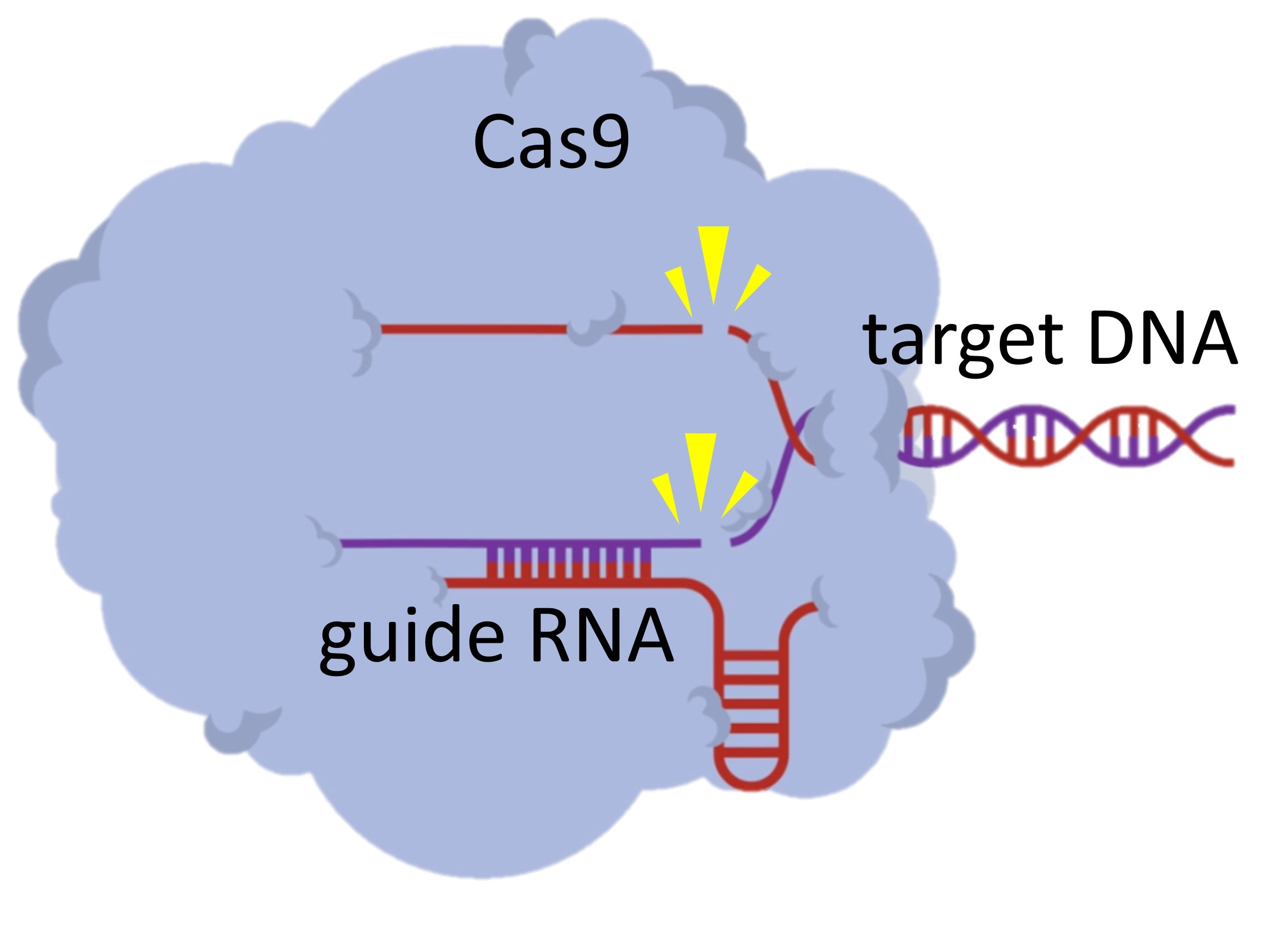
CINBIO posted this:
Method for cell identification and quantification with gold nanoparticles through hydrogen ion reductionThe present invention relates to a cell identification method, based on the use of gold nanoparticles (AuNPs) conjugated to antibodies specific for cell surface proteins. These conjugated antibodies bind with the specific proteins of the immobilized cells, which subsequently allows the use of an electrocatalytic method for the detection and quantification of these nanoparticles. The present invention also includes a method of diagnosis and/or prognosis of a disease involving the expression of cell-surface proteins and the corresponding kits.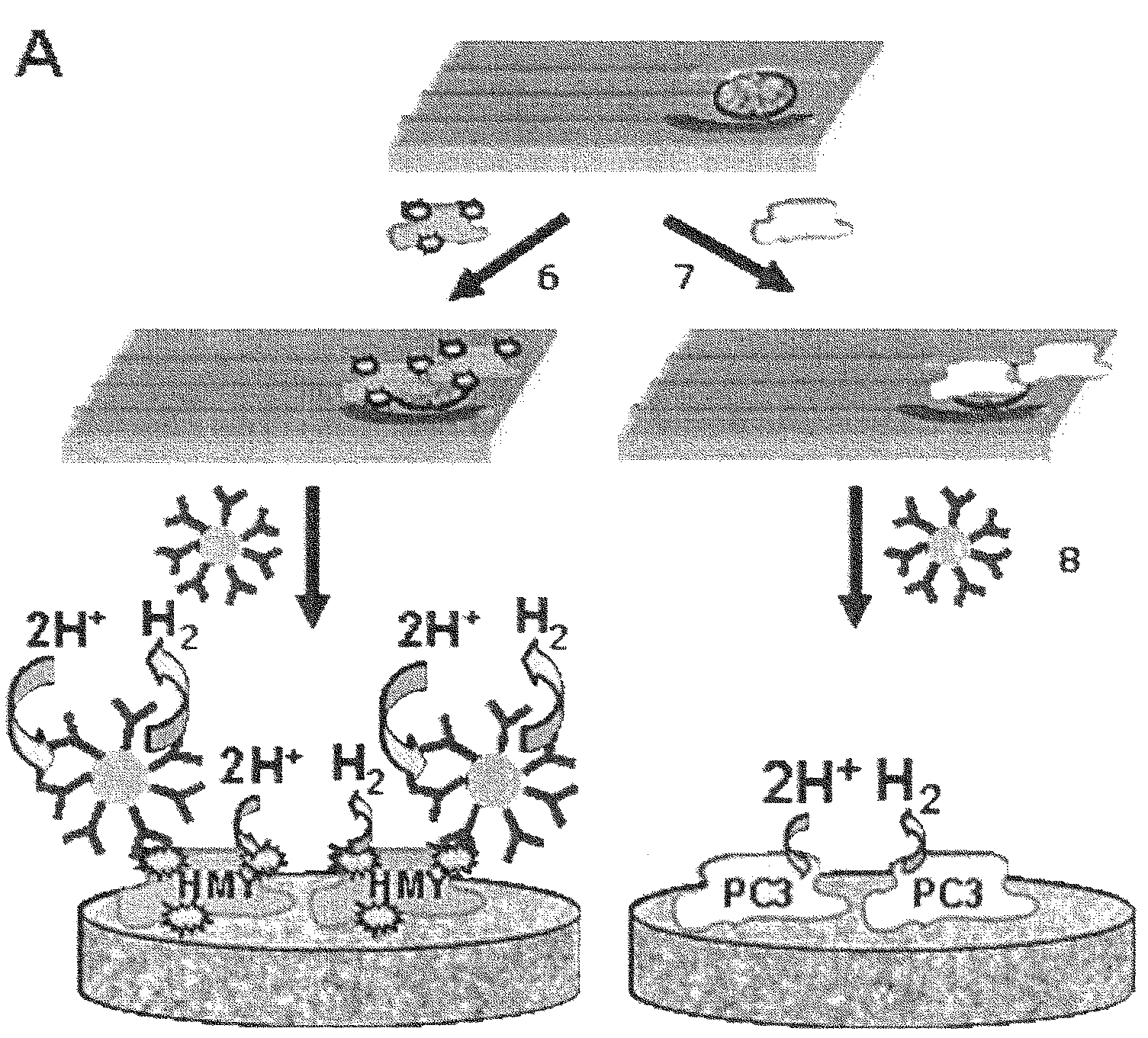
CINBIO posted this:
Method for determining prognosis in subjects diagnosed with pulmonary arterial hypertensionThe invention, entitled method for the determination of prognosis in subjects diagnosed with pulmonary arterial hypertension, is related to a method of analysis of the prognosis in subjects diagnosed with pulmonary arterial hypertension (PAH), as well as a method to select a personalized therapy for the subjects affected by this disease. After the genetic characterization of the patients, through in vitro functional studies of the genetic variants identified, it will be possible to know the clinical progression of the patients according to their genotype, knowing that these pathogenic changes produce a worse prognosis. Finally, the present invention relates to a method for selecting a subject diagnosed with pulmonary arterial hypertension for a personalized therapy based on the combination of the data obtained after the diagnosis and its gene pool.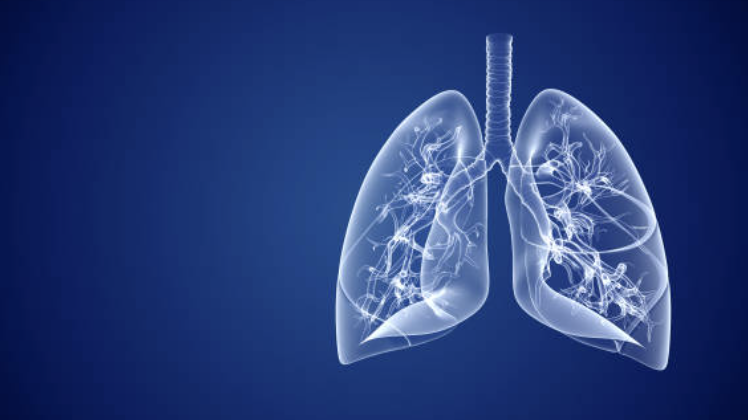
 University of Granada (OTRI)University of Granada (OTRI)
University of Granada (OTRI) posted this:
Method for diagnosing Hereditary Hemorrhagic Telangiectasia (HHT)Hereditary Hemorrhagic Telangiectasia (HHT) is a rare and genetic disease in which a disorder in angiogenesis exists. A new method for the molecular diagnosis of this disease has been developed. It is based on the quantification of a set of microRNAs (miRNAs) transported by plasma exosomes, and in addition, this set allows diagnosing different variants of the disease. This new method has the advantage of providing new biomarkers that allow a rapid and reliable diagnosis of HHT, since the current methods are not valid for all the patients affected with HHT.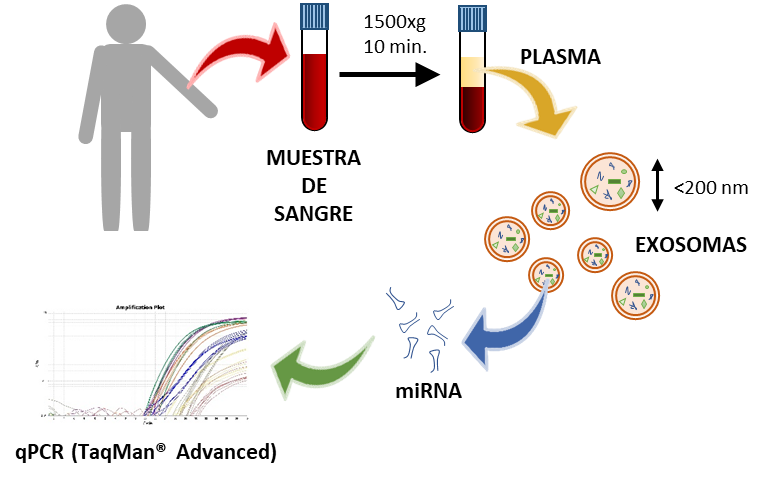
- Georgetown UniversityGeorgetown University
Georgetown University posted this:
Method for Enhancing the Legibility of Degraded ImagesThis technology uses several wavelengths of lights to capture multiple images intended to better separate background from useful texts/images in documentation. It is accompanied by algorithms which help clean and process the image by converting to grayscale, removing background, and isolating pixels of interest, the image by making digitized documents easier to read. This system enhances capability to capture documentation in digital form. Methods disclosed improve existing image enhancing technologies/algorithms and salvage many more documents that would otherwise be lost to time and damage. Methods disclosed can be utilized to clarify (reduce noise) documents prior to their use within AI imaging systems, improving accuracy and efficiency.
- CSIC - Consejo Superior de Investigaciones CientíficasCSIC - Consejo Superior de Investigaciones Científicas
CSIC - Consejo Superior de Investigaciones Científicas posted this:
Method for hydrogen production by photo-thermal catalysisCSIC has developed a new method hydrogen production by methanol reforming using a photo-thermocatalyst, which combines thermal and light energy for the activation. The method allows to moderate the operating conditions (temperature and pressure), leading to energy savings and an improvement in the stability of the catalyst. Industrial partners from the energetic industry interested in using this method under a patent licence agreement, are being sought.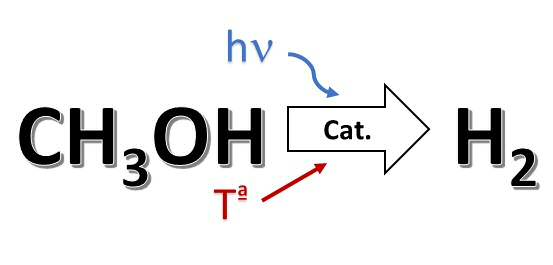
 Universidad de GranadaUniversidad de Granada
Universidad de Granada posted this:
Method for isolating circulating epithelial pulmonary cells and their use as markers for diagnosing Chronic Obstructive Pulmonary Disease (COPD)A procedure is described based on Liquid Biopsy techniques that allows both the diagnosis of COPD, as well as its evolution in patients. In order to do that, circulating pulmonary cells (CPCs) that could be present in blood of patients diagnosed with COPD are detected and characterized by combining two different techniques: - Immunogenetic positive selection for their isolation in peripheral blood. - Immunocytochemistry for detecting CPCs by using specific markers for pulmonary epithelial cells.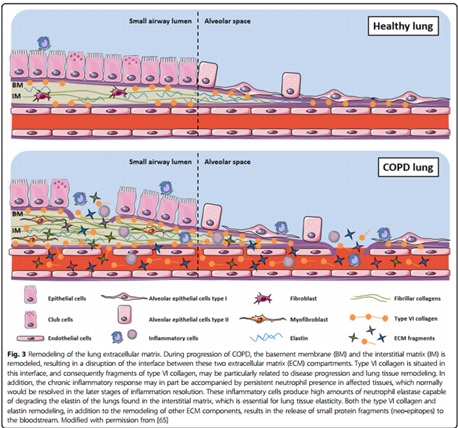
- Universidad de GranadaUniversidad de Granada
Universidad de Granada posted this:
Method for manufacturing braided fiber reinforced composite dental postsAn economic, fast, and high-performance method for manufacturing FRC dental posts has been developed. The resulting product is suitable for its use in dentistry and solves the two main problems in the existing manufacturing processes: fiber agglomeration and heterogeneity, while maintaining its advantages.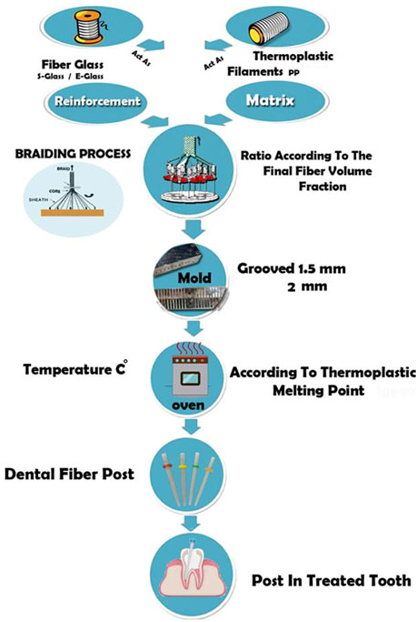
 Korea Institute of Energy ResearchKorea Institute of Energy Research
Korea Institute of Energy Research posted this:
Method for manufacturing CI(G)S-based thin film comprising Cu-Se thin film using Cu-Se two-component nanoparticle flux.Researchers at the Korea Institute of Energy Research (KIER) have developed an innovative method for manufacturing CI(G)S-based thin-film. This technology specifically relates to a method for manufacturing a CI(G)S-based thin film including a Cu-Se thin film having a dense structure formed by introducing Cu-Se two-component nanoparticles to act as a flux for the thin film in manufacture of a CI(G)S-based thin film through a non-vacuum coating process.- Korea Institute of Energy ResearchKorea Institute of Energy Research
Korea Institute of Energy Research posted this:
Method for Manufacturing CIGS Thin-Film Solar Cells Using Substrates Not Containing SodiumResearchers at the Korea Institute of Energy Research (KIER) have developed an innovative method for manufacturing CIGS thin-film solar cells using substrates not containing sodium. This technology specifically relates to a method for manufacture in which Na (sodium) supply sources are formed on parts of the surface of molybdenum electrode prior to the formation of CIGS-based precursor thin film and then heat-treated to form CIGS-based thin film. Thereby improving the electrical characteristics of the CIGS-based thin film serving as a light-absorbing layer of a solar cell, and to CIGS-based thin-film solar cell manufactured using the method.