Advanced Method for Detecting Donor Cell Death in Organ Transplantation
Innovative Products and Technologies
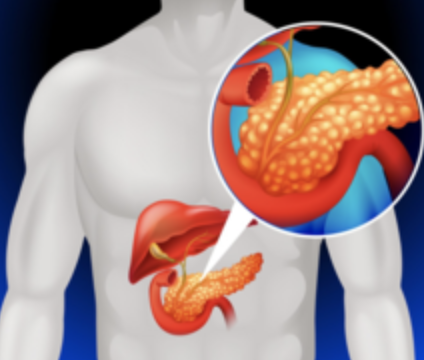
- Identifying and measuring cell death and tissue damage is particularly significant in patients receiving grafts or organs from donors.
- The method accurately identifies donor cell death by analyzing cell-free DNA (cfDNA) and comparing methylation patterns with known profiles.
- Early detection of donor cell death enables clinicians to intervene promptly, potentially preventing graft rejection and improving patient outcomes.

OVERVIEW
Georgetown University researchers discovered an innovative method that could revolutionize organ transplantation by providing a sophisticated approach to detecting donor cell death in transplant recipients. Through the meticulous sequencing of cell-free DNA (cfDNA) and the comprehensive analysis of methylation patterns, this novel technique offers insights into the intricate dynamics of cellular fate within the recipient's body. By discerning the precise origin of cfDNA and identifying deviations in methylation signatures, clinicians gain the ability to detect and monitor donor cell death, facilitating early intervention and personalized treatment strategies tailored to each patient's unique needs.
BACKGROUND
Organ transplantation stands as a beacon of hope for countless individuals afflicted with life-threatening conditions, offering the promise of extended life and improved quality of life. However, the success of transplantation hinges on overcoming formidable challenges, including the looming specter of graft rejection and post-transplant complications. Conventional diagnostic modalities often fall short in accurately detecting donor cell death, leaving clinicians grappling with uncertainty and limited treatment options. By leveraging advanced sequencing technologies and bioinformatic analyses, the method of the present invention empowers healthcare providers with insights into the fate of donor cells within the recipient's body, providing enhanced patient monitoring and improved transplant outcomes.
Benefit
Market Application
Transplantation Medicine: Offers a valuable tool for assessing graft viability and monitoring post-transplant recovery in organ and tissue transplantation.Clinical Diagnostics: Facilitates the early detection of graft rejection and other transplant-related complications, improving patient management.Pharmaceutical Research: Provides a platform for evaluating the efficacy of immunosuppressive therapies and developing novel interventions to mitigate graft rejection.
Publications
PCT Application No. PCT/US22/038242Circulating, cell-free methylated DNA indicates cellular sources of allograft injury after liver transplant. bioRxiv 2024.04.04.588176; doi: https://doi.org/10.1101/2024.04.04.588176
Our mission is to advance GU’s innovations through strategic alliances and new venture creation, to facilitate the translation of research breakthroughs into tangible solutions, and to cultivate a dynamic and inclusive environment for entrepreneurship. We advance this mission in support of the GU community and for the benefit of society.
Create your free account to connect with Georgetown University and thousands of other innovative organizations and professionals worldwide
Send a request for information
to Georgetown University
Technology Offers on Innoget are directly posted
and managed by its members as well as evaluation of requests for information. Innoget is the trusted open innovation and science network aimed at directly connect industry needs with professionals online.
Need help requesting additional information or have questions regarding this Technology Offer?
Contact Innoget support