Durable porous asphalt mixture using recycled wind turbine blade materials
Patents for licensing
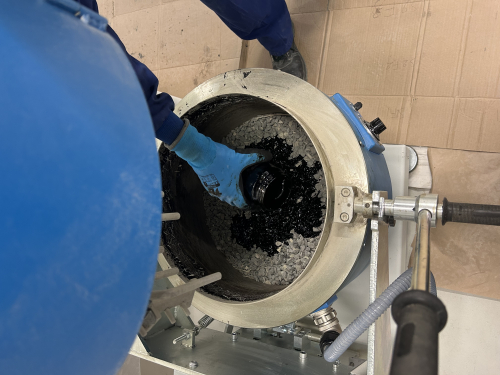
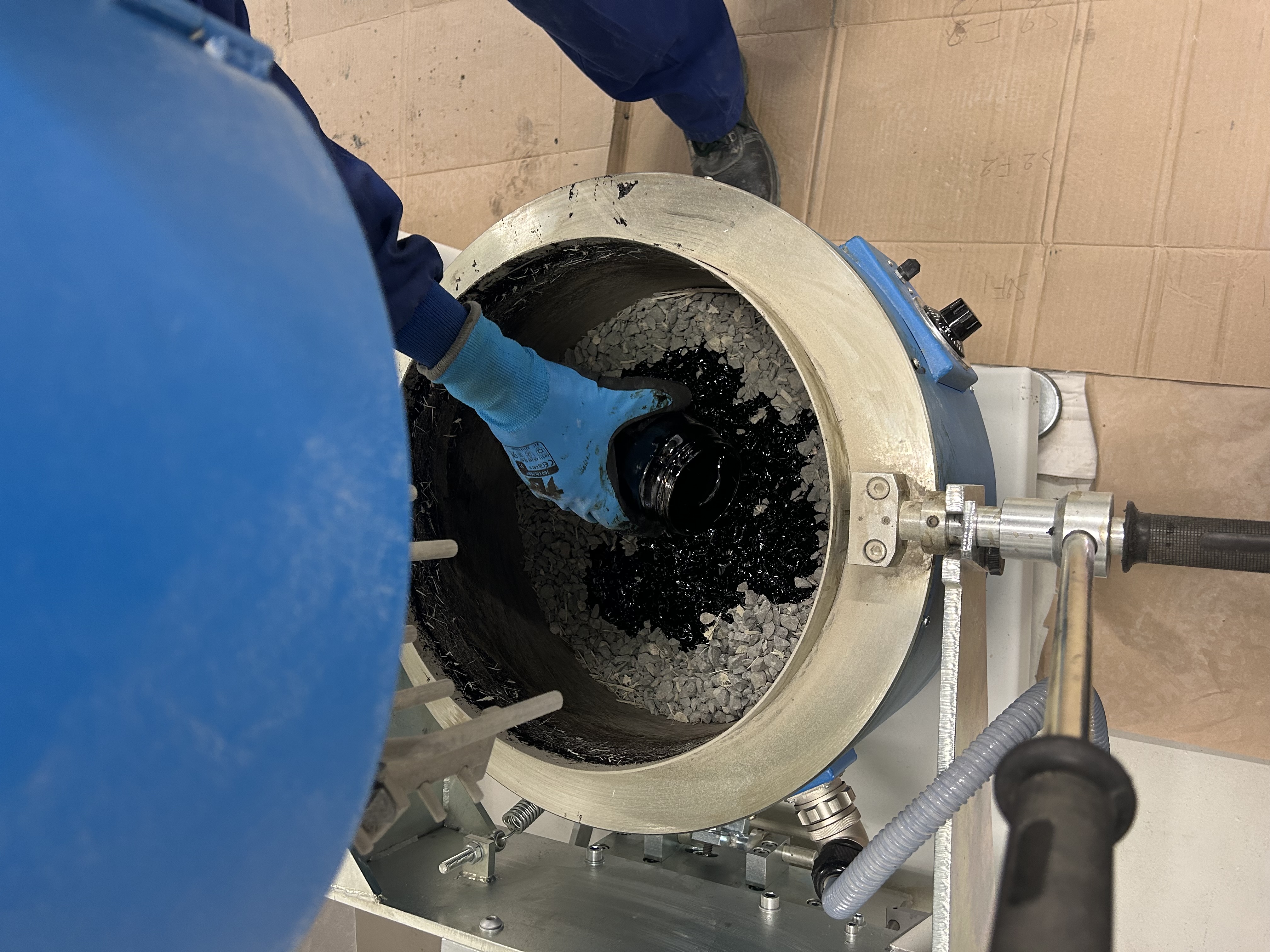
An innovative and sustainable porous asphalt, made using recycled materials from wind turbine blades, in presented. This mixture allows the reuse of wind energy waste, transforming it into a durable, high-performance road solution that is easy to produce and offers excellent drainage. The material combines natural aggregates with a small percentage of recycled wind turbine blade material, along with modified bitumen and cement, resulting in a resistant, stable, and permeable asphalt. The recycled content includes fibers and other typical blade components, safely and effectively integrated into the mix. The manufacturing process is simple and compatible with conventional asphalt plants, based on dry mixing of the solid materials followed by binder addition. This facilitates industrial implementation, reduces environmental impact, and supports circular economy principles and more sustainable management of wind energy waste.
The SUCONS Research Group, part of the Civil Engineering Department at the University of Burgos, recycles waste such as steel slags, concrete aggregates, and wind turbine blades to create sustainable construction materials like concrete, asphalt mixtures, and stabilized soils. They combine materials science, environmental and economic analysis, statistics, and civil engineering to ensure the materials are durable, strong, and easy to use, providing efficient and sustainable solutions.
The rapid growth of wind energy has created a new environmental challenge: recycling wind turbine blades at the end of their life, which combine resins, glass or carbon fibers, polymers, and balsa wood, making their treatment difficult and causing many to end up in landfills. Current solutions include thermal, chemical, and mechanical processes; the first allow fiber recovery but are costly and degrade the material, while mechanical recycling is more economical and sustainable, although it currently only uses selected blade fractions. This leaves an opportunity to utilize the full range of blade components to produce sustainable construction materials.
Applications
New and innovative aspects
Main advantages of its use
Specifications
Composition of the draining bituminous mixture:
Desired business relationship
Commercial Agreement, License Agreement, Technical Cooperation: further development; Technical Cooperation: testing new applications; Technical Cooperation: adaptation to specific needs.
The aim of the Technology Transfer Office (TTO) of the Universidad de Burgos is to promote Innovative technology through the research results transfer and the connections between the University and the new needs and requirements of society - we are the link between the University and the Industry. Contact person: José Manuel López (jmllopez@ubu.es)
Create your free account to connect with UNIVERSIDAD DE BURGOS and thousands of other innovative organizations and professionals worldwide
Send a request for information
to UNIVERSIDAD DE BURGOS
Technology Offers on Innoget are directly posted
and managed by its members as well as evaluation of requests for information. Innoget is the trusted open innovation and science network aimed at directly connect industry needs with professionals online.
Need help requesting additional information or have questions regarding this Technology Offer?
Contact Innoget support