Native PEGylated-PLGA Nanoparticles in the Treatment of Alzheimer’s Disease
Innovative Products and Technologies
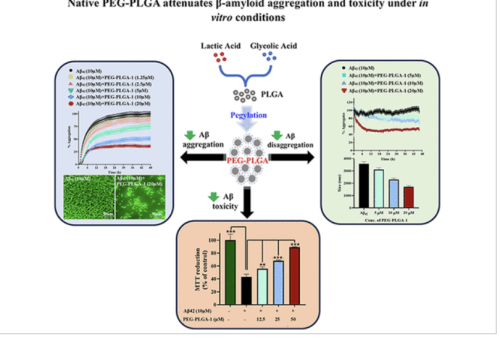
● Inherent Therapeutic Action: Unlike traditional drug delivery systems, native PEGylated poly(D,L-lactide-co-glycolide) (PEG-PLGA) nanoparticles exhibit direct therapeutic effects against Alzheimer’s Disease (AD) pathology without the need for additional conjugated drugs.
● Enhanced Bioavailability: While native PLGA is often limited by rapid clearance, the PEGylated formulation demonstrates superior stability and resistance to the reticuloendothelial system.
● Neuroprotection: PEG-PLGA-1 nanoparticles are non-toxic and significantly improve the viability of neurons exposed to Aβ-induced toxicity.
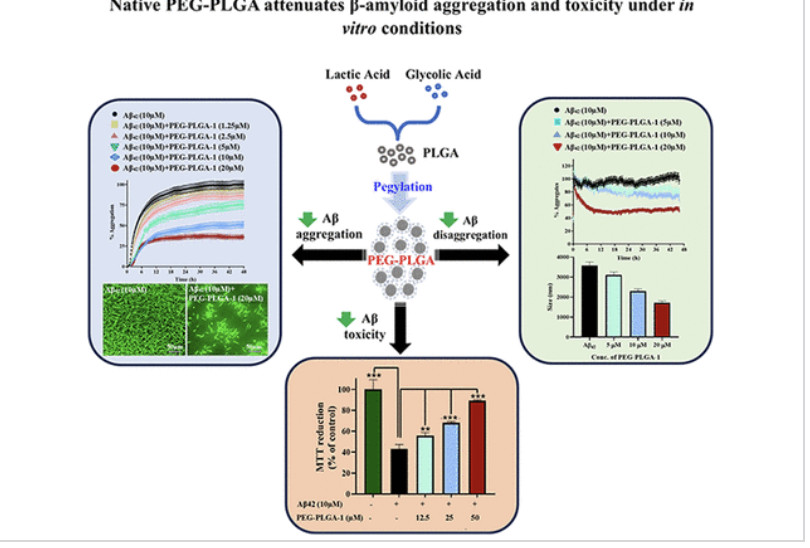
Researchers at the University of Alberta have discovered that PEGylated poly(D,L-lactide-co-glycolide) (PLGA) nanoparticles without conjugation with any additional drug/agent can attenuate amyloid-β (Aβ) aggregation/toxicity in cellular and animal models of AD. Earlier findings demonstrated some therapeutic effects with native PLGA nanoparticles, but the use of native PLGA is limited by rapid clearance by the reticuloendothelial system. Native PEG-PLGA demonstrates enhanced stability, while both inhibiting the formation of Aβ peptide aggregates and promoting the disassembly of existing aggregates. Importantly, PEG-PLGA-1 nanoparticles are non-toxic and markedly improve the viability of mouse primary cortical neurons exposed to Aβ-induced toxicity. These findings highlight the unique neuroprotective effect of native PEG-PLGA-1 nanoparticles and its potential for the treatment of AD pathology. At present, AD is the leading cause of dementia in the elderly population. Current AD drugs are targeted for symptom management and do not halt the underlying neurodegeneration. Treatment strategies in this space also face significant hurdles, such as low blood-brain barrier penetration. The pathological changes that characterize AD suggest that either an overproduction or insufficient clearance of Aβ can elevate its levels, with subsequent aggregation leading to neuronal loss and disease progression. These PEG-PLGA nanoparticles address the underlying pathology and are shown to effectively cross the BBB, offering a promising strategy for AD treatment.
COMPETITIVE ADVANTAGE
● Safety & Approval Path: PLGA is an FDA-approved biodegradable polymer used in drug delivery systems, significantly de-risking the regulatory pathway for this novel therapeutic application
● Theranostic Potential:Beyond treatment, labeled native PLGA nanoparticles have shown potential in the diagnosis of AD by detecting Aβ aggregates and plaques.
Intellectual property status
Patent already applied for
Patent application number :
Where : US Provisional
Transforming discoveries and innovations into reality is a complex and lengthy process. UAlberta’s Technology Transfer Services (TTS) team helps facilitate this journey. Part of the Vice-President (Research and Innovation) portfolio, TTS helps researchers, postdoctoral fellows, staff and students transform innovations and discoveries into reality—moving them out of the university to benefit society, the economy, the world.
Create your free account to connect with University of Alberta, Technology Transfer Services and thousands of other innovative organizations and professionals worldwide
Send a request for information
to University of Alberta, Technology Transfer Services
Technology Offers on Innoget are directly posted
and managed by its members as well as evaluation of requests for information. Innoget is the trusted open innovation and science network aimed at directly connect industry needs with professionals online.
Need help requesting additional information or have questions regarding this Technology Offer?
Contact Innoget support