Epidermal growth factor-derived with antitumoral activity (tEGFha)
Innovative Products and Technologies

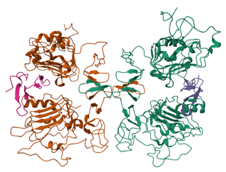
The current treatments, against the epidermal growth factor (EGFR), have resistances, lack of specificity, limited efficacy, side effects and an increased cost, which limit their usage. The proposed solution, the derivative tEGFha, mimics the natural ligand, blocks its activation and inhibits the tumour growth. As a small protein, it is easy and economical to produce, enhancing the accessibility to the patients. Moreover, it can be combined with chemotherapeutic agents or radioisotopes to better direct them to tumours and to increase the specificity. Other functions include the use of image techniques, to perform diagnosis and therapy simultaneously (theragnosis).
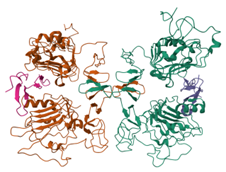
This technology is based on the development of four peptides derived from epidermal growth factor (EGF), designed to act as competitive inhibitors of the EGF receptor (EGFR). Since EGFR is overexpressed in several aggressive tumours, blocking its activation can help limit cancer cell proliferation. The peptides bind to the receptor without triggering it signalling pathway, resulting in a predominantly antiproliferative effect. In addition, three of the peptides are able to internalize into the cell after receptor binding. This feature suggests potential use as targeted delivery agents, allowing cytotoxic drugs to be conjugated to the peptides and directed specifically toward EGFR‑overexpressing tumour cells. Such approach could improve therapeutic selectivity and reduce unwanted effects associated with non‑specific treatments. The technology offers a promising strategy for developing next‑generation targeted cancer therapies.
Competitive advantages
Objective market
Potential applications
Intellectual property status
Granted Patent
Patent number : P202431076
Patent number : P202431079
Where : Spain
Current development status
Others
Development stage.
Desired business relationship
Technology development
Adaptation of technology to other markets
Other : Pilot testing
The University of Girona (UdG) by means of its Research & Technology Transfer Office (TTO) provides services to 117 research groups, 42 of which have been recognized as Consolidated Research Group of Catalonia and 4 among them have been incorporated into the TECNIO network, the top Catalonia's Government excellence research network.

Create your free account to connect with University of Girona (OTRiT) and thousands of other innovative organizations and professionals worldwide
Send a request for information
to University
Technology Offers on Innoget are directly posted
and managed by its members as well as evaluation of requests for information. Innoget is the trusted open innovation and science network aimed at directly connect industry needs with professionals online.
Need help requesting additional information or have questions regarding this Technology Offer?
Contact Innoget support