A Novel Method for Producing Polysiloxane Materials
Innovative Products and Technologies
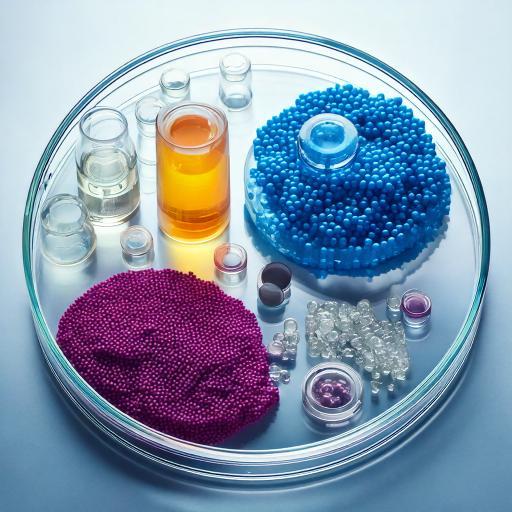
Georgetown University researchers have discovered an innovative method for forming materials with useful properties (e.g., as transparent films, adhesives, binding agents, conductors, membranes, or controlled-release systems), by providing a range of additives to polysiloxanes in the following novel approaches: 1) combining polysiloxane materials containing a basic functional group (e.g., amine or other group capable of accepting a proton) with an acid, and 2) combining polysiloxane materials containing an acidic functional group (e.g., carboxylic acid or other group capable of donating a proton) with a base. Such additions (or polymerizations) lead to materials with properties substantially different from those of the parent polysiloxane.
BACKGROUND
Polysiloxanes perform a list of functions in daily life. This list becomes all the longer on account of simple alterations to amino-substituted polysiloxanes, where subtle chemical substitutions readily result in drastic changes in the properties of the new material. These changes are often associated with greater utility and cost-effectiveness. Careful attention to the nature of the molecule added, the post-addition treatment, the percent of monomers in the polysiloxane with an amino functionality, and the type of amino group can turn free-flowing, slippery liquids to strong (reversible) adhesives and very viscous syrups, rubbery materials, or gels.
Benefit
Market Application
Publications
Intellectual property status
Granted Patent
Patent number : Patent No. 10,221,283
Where : USA
Our mission is to advance GU’s innovations through strategic alliances and new venture creation, to facilitate the translation of research breakthroughs into tangible solutions, and to cultivate a dynamic and inclusive environment for entrepreneurship. We advance this mission in support of the GU community and for the benefit of society.
Create your free account to connect with Georgetown University and thousands of other innovative organizations and professionals worldwide
Send a request for information
to Georgetown University
Technology Offers on Innoget are directly posted
and managed by its members as well as evaluation of requests for information. Innoget is the trusted open innovation and science network aimed at directly connect industry needs with professionals online.
Need help requesting additional information or have questions regarding this Technology Offer?
Contact Innoget support